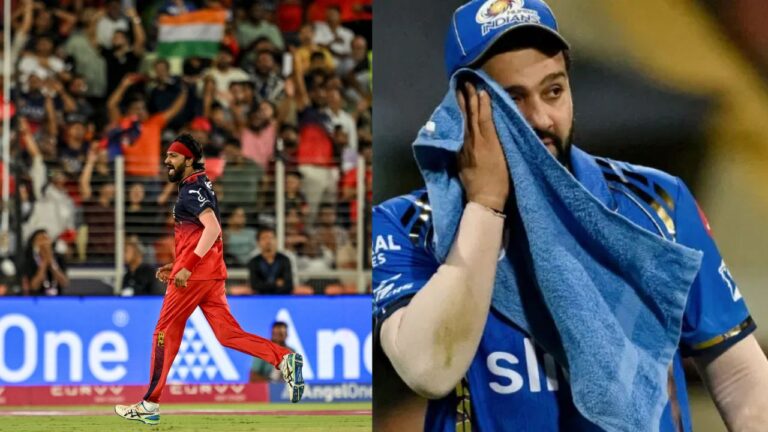
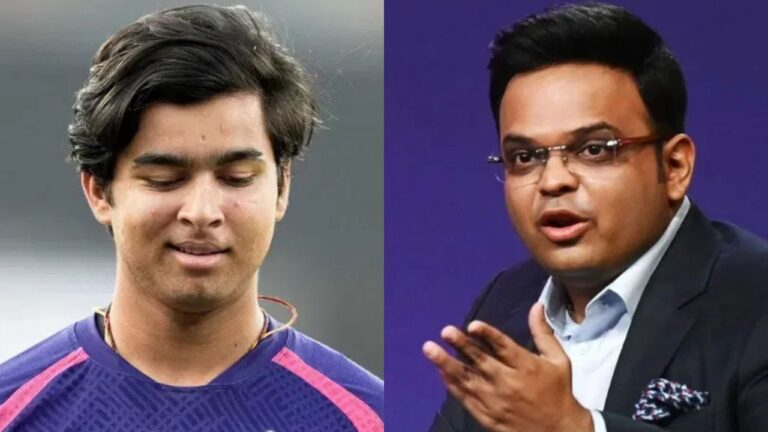
Sanju Samson vs Ruturaj Gaikwad: Who is the Better IPL Captain for CSK?
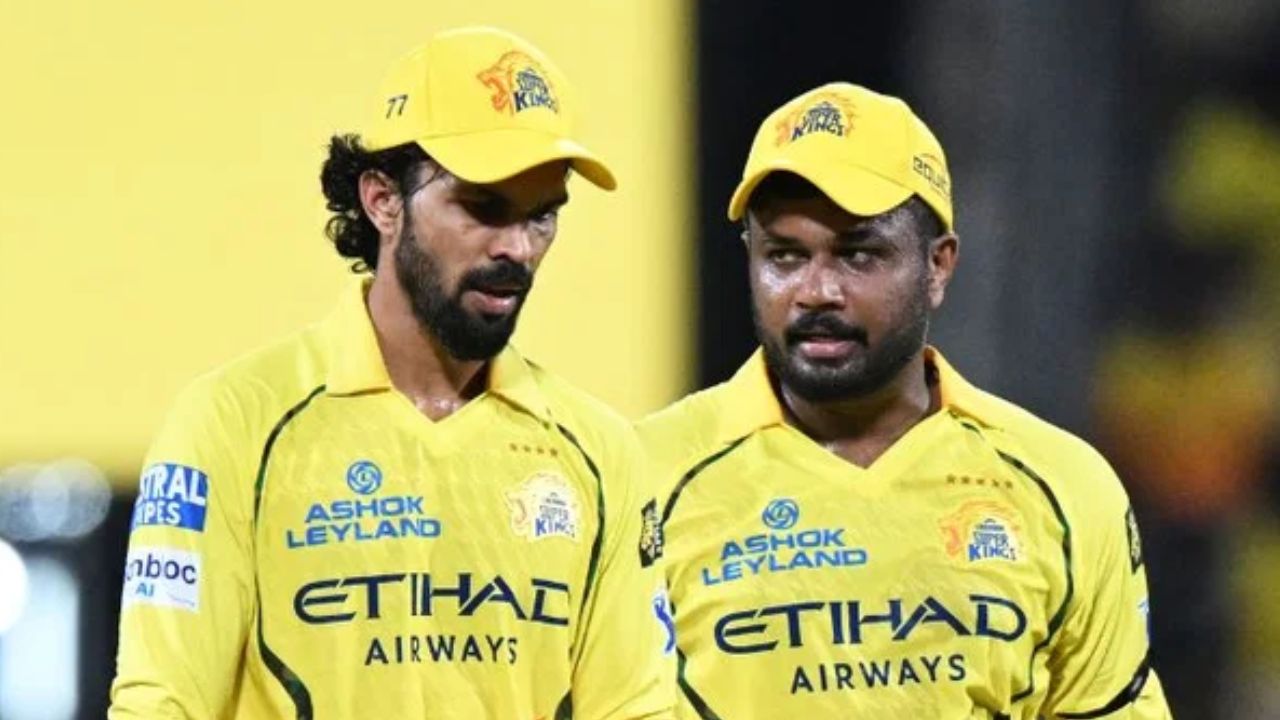
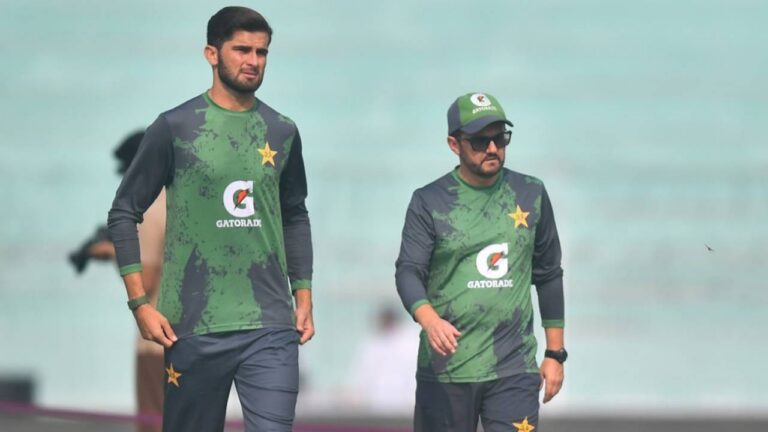
The Chennai Super Kings (CSK) have faced a challenging period in the IPL, culminating in a disappointing 2026 campaign that has put Ruturaj Gaikwad’s leadership under intense scrutiny. A crucial home defeat to Sunrisers Hyderabad effectively dashed CSK’s playoff aspirations, prompting former cricketers and pundits to publicly suggest that ex-Rajasthan Royals captain Sanju Samson could be a strong candidate for the franchise’s top leadership role.
Gaikwad’s two-year tenure at the helm has yet to secure a top-four finish, a stark contrast to CSK’s storied history of consistent playoff appearances. Compounding the team’s struggles, his own batting form has seen an alarming dip. In stark contrast, Sanju Samson has quietly, yet effectively, built a robust captaincy resume with Rajasthan Royals, guiding them to consistent performances and playoff contention. As discussions surrounding a potential leadership revamp intensify, a detailed statistical comparison between these two prominent figures becomes essential for CSK ahead of IPL 2027.
Contents
Ruturaj Gaikwad’s CSK Captaincy Record: A Mixed Bag
Ruturaj Gaikwad inherited the monumental task of stepping into MS Dhoni’s iconic shoes as CSK captain in 2024. Across his two full seasons, the numbers paint a picture of mediocrity, falling short of the high standards set by the franchise. In 32 IPL matches as CSK captain, Gaikwad has recorded 14 wins against 18 losses, resulting in a win/loss ratio of just 0.777. The team has notably failed to reach the playoffs under his guidance in either season, with the 2026 campaign proving particularly grim. While mathematically still alive, CSK’s playoff hopes heavily relied on multiple external results, underscoring their precarious position.
Gaikwad’s individual batting returns as captain have also been modest. He has accumulated 1,026 runs in 32 captaincy innings for CSK at an average of 38.00, including one century. While a respectable average, it significantly masks a steep decline in form during the 2026 season. In the current season, he managed only 321 runs at an average of 29.18, with a strike rate of 120.68—a figure well below the aggressive benchmark expected in modern T20 cricket. Extending this to his wider T20 captaincy career, which includes domestic games, he averages 40.17 over 54 matches, but his recent IPL 2026 struggles have undeniably dragged this overall average down.
Gaikwad’s Batting Prowess Outside Captaincy
It is noteworthy that Gaikwad’s IPL numbers as a pure batter, without the captaincy burden, are almost identical to his captaincy stats. In 52 non-captaincy matches, he averages 39.06, suggesting that the leadership role has not provided an additional boost to his individual batting performance. Furthermore, his captaincy shows a distinct home-away split; at the familiar Chepauk conditions, he boasts a commanding average of 59.11, which plummets dramatically to 26.11 when playing away from home. This reliance on home conditions raises questions about his adaptability in diverse environments.
Sanju Samson’s IPL Captaincy Record: Stability and Improvement
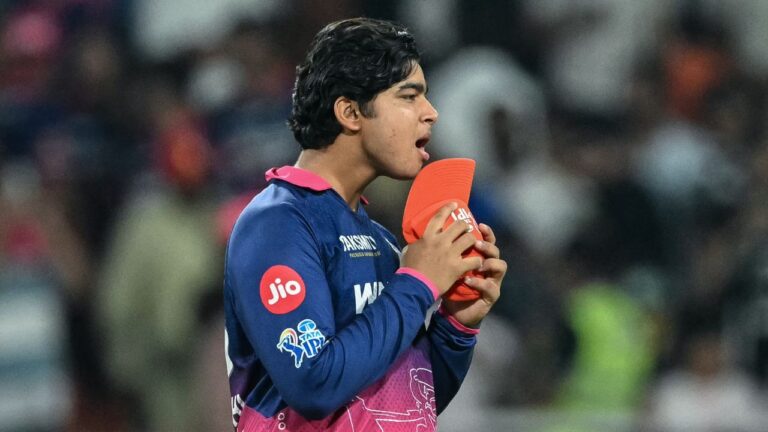
Sanju Samson has led the Rajasthan Royals since 2021, and while his tenure has not yet yielded an IPL trophy, it has been remarkably more stable and consistent than Gaikwad’s. In 67 IPL matches as RR captain, Samson has secured 33 wins, suffered 32 losses, recorded one tie, and one no-result, translating to a respectable win/loss ratio of 1.031. Under Samson’s leadership, the Rajasthan Royals have consistently contended for playoff spots, making the knockout rounds on two occasions, demonstrating a stronger track record of team performance.
Crucially, Samson’s batting form has shown an upward trajectory while captaining. In the IPL alone, he averages 36.08 as captain, with a highest score of 119. When considering his entire captaincy record across all T20 formats, spanning 105 matches, his average rises further to 36.63, accumulating nearly 3,114 runs. Significantly, Samson appears to thrive with the added responsibility, performing better as a leader than he did without the armband.
Samson’s Performance Without the Armband
As a non-captain in the IPL, Samson averaged just 29.81 from 123 innings. This stark contrast suggests that captaincy has instilled a new level of focus, maturity, and responsibility into his game. His recent form further strengthens his case; in the 2025 and 2026 domestic and IPL seasons, his captaincy average remained healthy, posting 46.55 in 2025 and a formidable 58.25 in the early domestic matches of 2026. Moreover, Samson has demonstrated greater consistency in both home and away conditions as captain, averaging 35.61 at home and 37.95 away. This balanced distribution is a stark contrast to Gaikwad’s heavy reliance on home grounds, highlighting Samson’s broader adaptability.
Tactical and Batting Differences: A Closer Look
The tactical approaches and batting performances of both captains reveal distinct patterns. As captain, Gaikwad typically thrives when CSK bats first, averaging 47.34 in such matches. Many of CSK’s victories under his leadership have come from successfully setting totals. However, when chasing, his average significantly drops to 30.36, and CSK’s record while fielding first has been notably poor, indicating a struggle to manage run chases effectively.
Sanju Samson, on the other hand, presents a different profile. He is demonstrably a better second-innings captain, averaging 39.87 when fielding first, compared to 33.61 when batting first. This suggests Samson possesses a stronger ability to manage and execute run chases, a critical skill in the high-pressure environment of T20 cricket. The ability to perform under pressure during a chase is often a defining characteristic of successful T20 captains.
Team statistics also tell a compelling story. CSK under Gaikwad has scored at a marginally higher run rate, averaging 9.15 runs per over, compared to RR’s 8.86 under Samson. However, this slightly higher scoring rate for CSK is offset by their tendency to concede more runs and, ultimately, win fewer games. Rajasthan Royals’ slightly lower scoring rate is compensated by what appears to be smarter in-game management and strategic acumen, leading to a superior overall win/loss ratio. Samson’s RR side has consistently hovered around the 50% win mark, demonstrating competitive consistency, whereas Gaikwad’s CSK has regrettably slipped below this benchmark.
Conclusion: The Statistical Edge
For a franchise like CSK, renowned for its philosophy of stable and long-term leadership, changing a captain is undoubtedly a monumental decision. However, the statistical evidence meticulously gathered and analyzed lends considerable weight to a different perspective on leadership. Sanju Samson emerges as a proven IPL captain with over five years of valuable experience, showcasing a clearly superior win/loss record and a more consistent individual batting performance under the weight of captaincy.
Should a change occur, Samson would inherit a team currently in transition, but one that still boasts a core of formidable match-winners capable of turning games. While Ruturaj Gaikwad technically had opportunities to prove himself in IPL 2026, the season’s outcome suggests he would need to demonstrate a significant turnaround in subsequent seasons. Without a drastic and undeniable improvement in 2027, the calls for a leadership change will only intensify within the CSK camp and among its passionate fanbase. For now, based on a comprehensive statistical evaluation, the leadership edge firmly belongs to Sanju Samson.