Litton Das shares untold details about Bangladesh missing T20 World Cup

Contents
The Inside Story of a Missed Opportunity
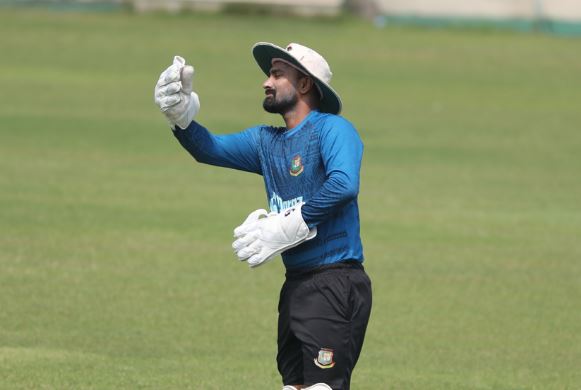
The decision to skip the 2026 T20 World Cup remains one of the most controversial chapters in the history of Bangladesh cricket. While official narratives often focus on safety and administrative logistics, the players on the ground had a different experience. Recently, Litton Das shares untold details about Bangladesh missing T20 World Cup, providing a glimpse into the disconnect between the cricket board and the squad during those high-stakes discussions.
Administrative Decisions vs. Player Intent
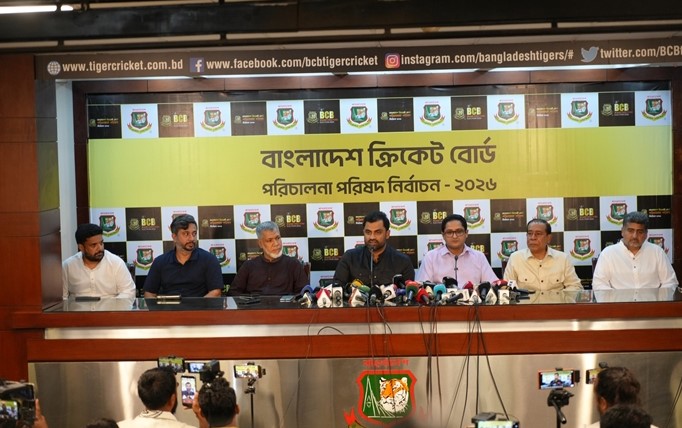
The Bangladesh Cricket Board (BCB) eventually opted to withdraw the team from the tournament held in India, citing security concerns as the primary justification. Even when alternative options, such as moving the matches to Sri Lanka, were proposed, those efforts ultimately fell through. Consequently, Scotland was given the slot vacated by Bangladesh. The process involved high-level meetings, including sessions with former Youth and Sports Adviser Dr. Asif Nazrul, who allegedly led the dialogue with the ICC.
However, the narrative from the players’ perspective suggests that their input was barely a factor in the final outcome. In a revealing interview with the Bangladeshi daily Prothom Alo, Litton Das described the consultation process as something far more superficial than a genuine negotiation.
A Symbolic Consultation
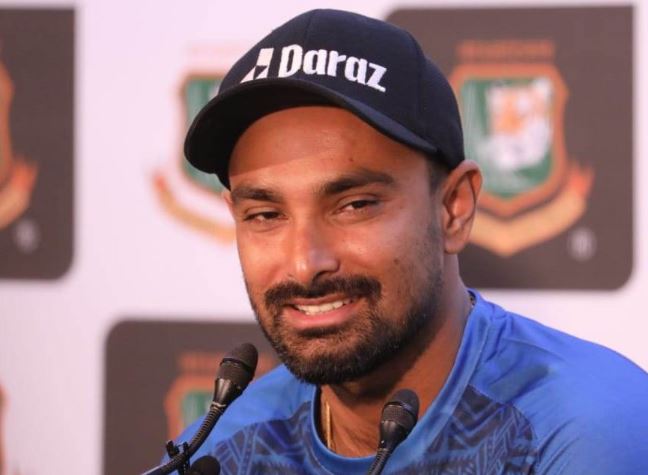
Litton noted that the meetings held with the team were largely for show. He recalled the atmosphere with a mix of irony and clarity, stating, “There wasn’t really any question to answer there. We basically went there to have tea and participate. It felt like it was being shown to the media that the players had been consulted. We were happy to sit in an air-conditioned room and have some tea.”
For the players, the message was simple: they wanted to play. Litton emphasized that their stance was never ambiguous. When asked by officials what they wanted, the team expressed a singular, professional desire to compete on the global stage. Yet, the administrative machine had already begun to move in a different direction.
Addressing the Security Argument
Perhaps the most compelling part of Litton’s account involves the security concerns cited by the authorities. The Bangladesh captain openly questioned the validity of these claims, comparing them to previous experiences the team had faced on international tours.
“The response from their side was that there were security issues in that country,” Litton explained. “We told them that we had already played cricket in Pakistan, where armed guards stood outside our hotel rooms. What could be more serious than that? If we can play cricket in Pakistan, why not in India?” His logic highlights a point of contention that many fans and analysts have long debated: the inconsistency in how safety protocols are applied to different touring destinations.
The Legacy of the Decision
The fallout from this decision continued long after the tournament concluded. In subsequent interviews, Dr. Asif Nazrul suggested that the players had not sufficiently “stood up” or demanded to participate. When confronted with these claims, Litton opted for a measured, slightly humorous response. Upon learning that Nazrul was no longer in his former position, Litton smiled and remarked, “People can say many things once they’re no longer in office.”
This exchange underscores the lingering resentment within the playing group. For a team that thrives on competition, being sidelined by administrative bureaucracy was a bitter pill to swallow. Litton’s testimony confirms that the final call was entirely at the discretion of the officials, leaving the players with no real agency in the matter.
Conclusion
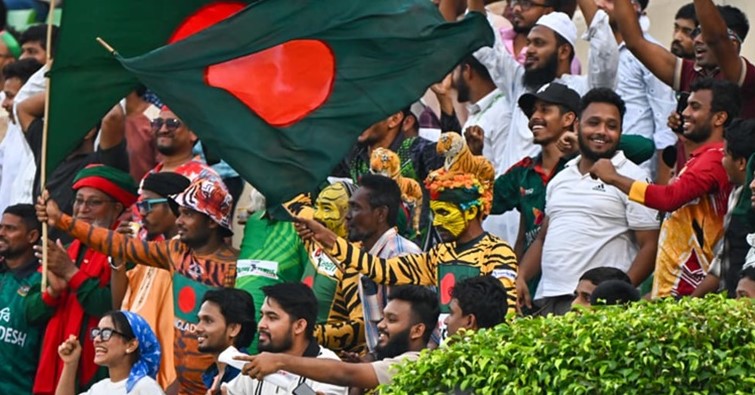
The absence of Bangladesh from the 2026 T20 World Cup was not just a loss for the fans; it was a missed opportunity for a talented group of athletes who were ready to prove their worth on the world stage. By speaking out, Litton Das has provided a necessary perspective that challenges the official narrative, reminding the cricket world that, behind every administrative decision, there are athletes whose primary goal is simply to play the sport they love.