Hesson debunks pitches ‘myth’, says there will be ‘variety’ at ODI World Cup

Contents
Addressing the Pitch Discourse
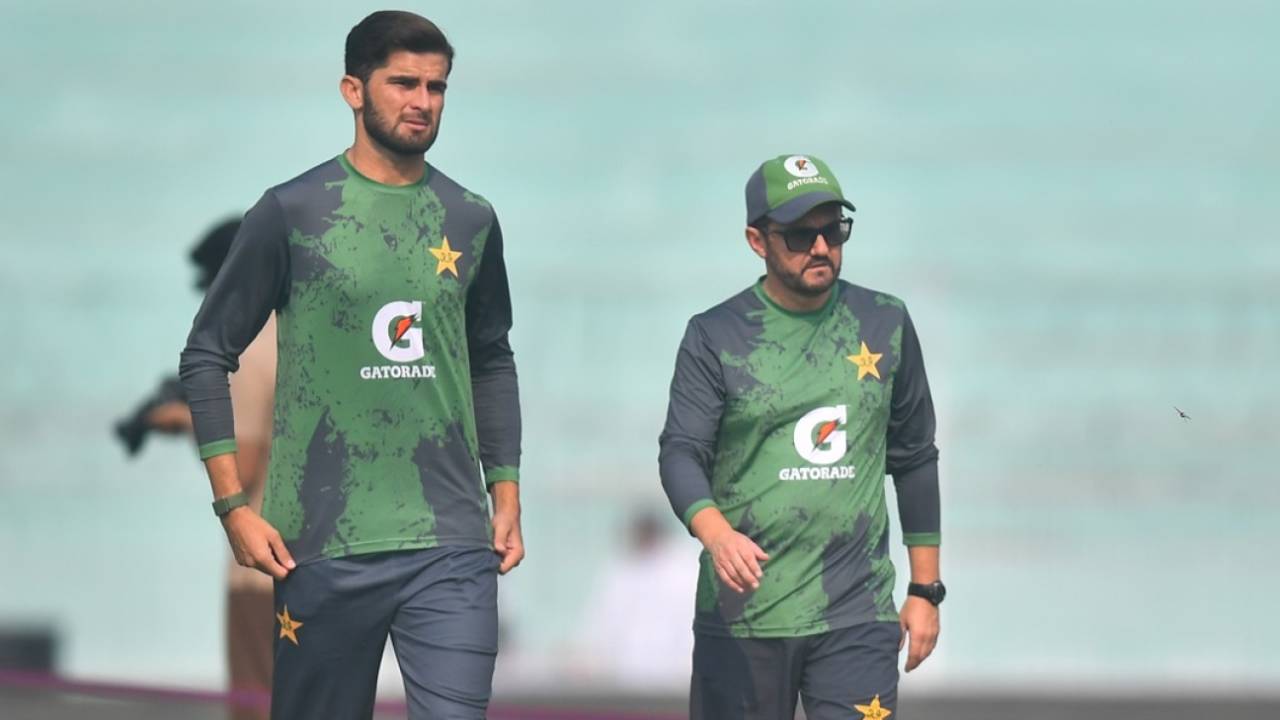
The cricketing fraternity has been abuzz with discussions regarding the recent decision to utilize a spin-heavy surface at Rawalpindi for the first ODI between Pakistan and Australia. With spinners accounting for 11 of the 15 wickets to fall, and collectively bowling 62.3 overs, the surface proved challenging for batters. Mike Hesson, Pakistan’s head coach, has stepped forward to clarify the tactical reasoning behind these conditions and addressed concerns about their relevance to future global tournaments.
The World Cup Preparation Strategy
Critics have argued that the slow, low nature of the Rawalpindi pitch serves as poor preparation for the 2027 ODI World Cup, which will be jointly hosted by South Africa, Zimbabwe, and Namibia. The prevailing narrative suggests that South African conditions are universally fast and bouncy. However, Hesson has pushed back against this generalization. He emphasized that the tournament’s multi-nation hosting structure necessitates a versatile approach to match preparation.
Hesson stated, “The myth of all pitches in South Africa being quick and bouncy is just not true; there are definitely some which are, but they also vary throughout the country.” By acknowledging that Zimbabwe and Namibia also feature venues where spin plays a crucial role, Hesson underscored that the team is conducting comprehensive research to ensure they are equipped for a wide spectrum of playing surfaces over the next 18 months.
Learning from Past Successes
The coaching staff’s confidence is rooted in recent successes, specifically the 3-0 ODI series sweep in South Africa in December 2024. During that tour, spin was a decisive factor, notably at Paarl and Johannesburg. Performance data from that series, including standout spells from Salman Ali Agha and Sufiyan Muqeem, serves as a blueprint for the team’s ongoing strategy. Hesson remains committed to this data-driven approach, ensuring that every selection and pitch request is part of a larger plan to master diverse conditions.
The Ghori-Babar Partnership
While the focus remains on the broader strategic goals, the immediate task for the Pakistan team is the ongoing series against Australia. Despite Australia being without several key players, the hosts are wary of complacency. Ghazi Ghori, who recently scored his maiden half-century, highlighted the importance of staying grounded.
“They may be without their regulars, but this is an Australian side after all,” Ghori noted during a recent practice session. His breakthrough performance in the first ODI, a 127-run partnership with Babar Azam, proved instrumental in securing victory on a tricky surface.
The Value of Experienced Mentorship
Ghori credited his success to the presence of Babar Azam at the crease. Navigating a pitch that was becoming increasingly uneven required more than just technical skill; it required calm decision-making. Babar’s guidance allowed Ghori to settle into his innings, focusing on rotating the strike rather than forcing the issue.
“Babar is a proven performer and his presence at the crease made things easier for me,” Ghori explained. “He took the onus on himself and told me that I should focus on rotating the strike. The situation demanded from us to rotate the strike and punish the bad balls, which we did.” As Pakistan continues its preparations, this blend of experienced leadership and emerging talent suggests a side that is not only ready for current challenges but is also building the necessary resilience for the 2027 ODI World Cup and beyond.