Ravindra Jadeja Rewrites Rare Record After 16 Years in IPL 2026

Contents
A Tactical Shift at the Wankhede
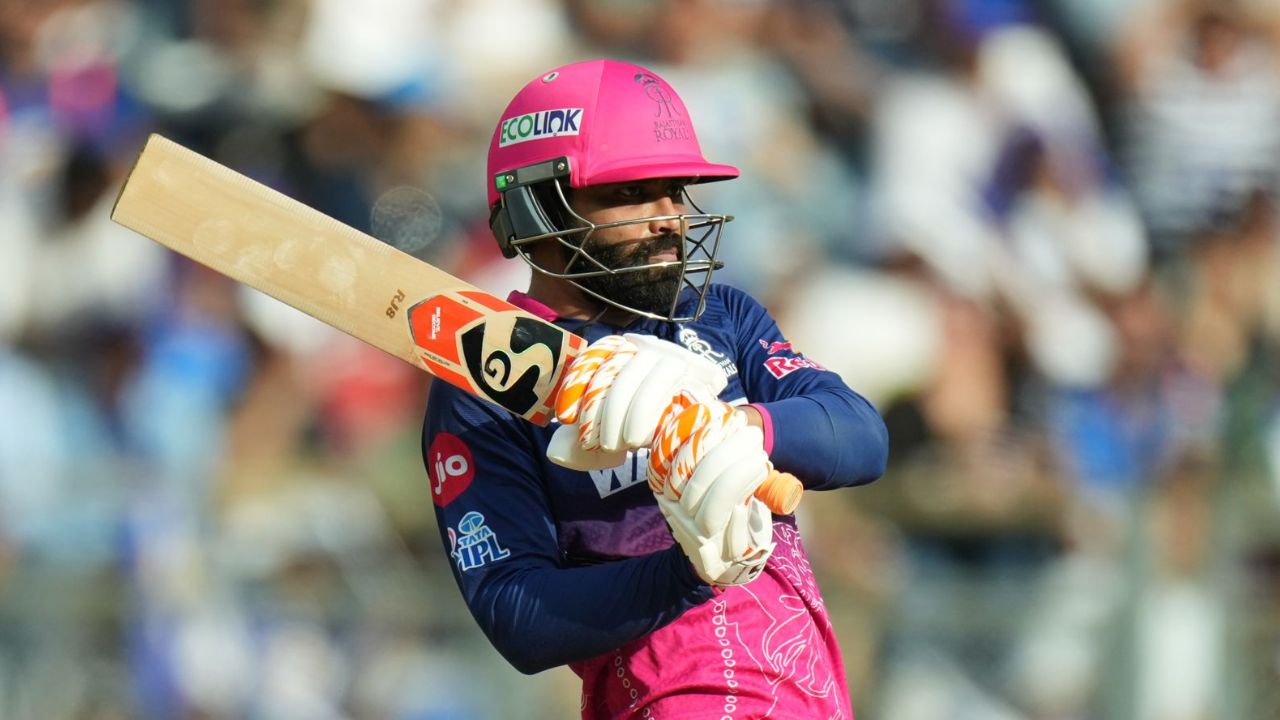
In a surprising turn of events during the recent IPL 2026 showdown at the Wankhede Stadium, Rajasthan Royals veteran all-rounder Ravindra Jadeja found himself in a position he has rarely occupied throughout his illustrious T20 career. Coming out to bat at No.9, the left-hander marked an unusual milestone, an occurrence that has not been seen in over a decade and a half.
This strategic move came as a direct response to a high-pressure scenario. The Rajasthan Royals faced a significant top-order collapse against a disciplined Mumbai Indians bowling attack, necessitating a rethink of their batting hierarchy. While the team eventually recovered to post a competitive total of 205, the sight of Jadeja walking out so late in the innings sparked widespread discussion among cricket pundits and fans alike.
Understanding the Delayed Entry
Why would a seasoned campaigner like Jadeja be pushed down the order? Reports suggest that the decision was heavily influenced by workload management. The veteran has been battling minor knee discomfort and the general fatigue that accompanies a relentless schedule across all formats of the game. By utilizing him cautiously, the Rajasthan Royals management aimed to preserve their star player for critical death-overs impact rather than exposing him to early-innings pressure.
This approach highlights the evolution of T20 cricket, where specialist roles and tactical flexibility often take precedence over traditional batting lineups. By promoting power-hitters like Jofra Archer ahead of him, the team was able to maintain an aggressive scoring rate despite the early loss of wickets.
The Historic Parallel
The significance of this match lies in its rarity. This was only the second instance in Jadeja’s long T20 career where he has batted at position No.9 or lower. The first occasion dates back to the 2010 ICC T20 World Cup, where India faced off against the West Indies at Bridgetown, Barbados. In that high-stakes international match, India was chasing a stiff target of 170. Jadeja came in at No.9 and remained unbeaten on five runs in a contest ultimately won by the Caribbean side.
Reflecting on that 2010 lineup, it is fascinating to see how the game has changed. Back then, Jadeja followed legends such as MS Dhoni, Yuvraj Singh, Rohit Sharma, and Suresh Raina. Sixteen years later, the context has shifted, but the necessity for adaptability remains a cornerstone of the sport.
Rajasthan Royals’ Resilience
The match against the Mumbai Indians was a rollercoaster for the Rajasthan Royals. After losing Yashasvi Jaiswal and Vaibhav Sooryavanshi early in the powerplay, the team looked to be in deep trouble. However, Captain Riyan Parag provided a brief spark, and Dhruv Jurel showcased immense composure by anchoring the innings with 38 runs. The momentum shifted drastically when Dasun Shanaka contributed 29, followed by a brutal 32 off just 15 balls from Jofra Archer.
Archer’s strike rate exceeding 200 proved vital, as he smashed three towering sixes that took the pressure off the team. By the time Jadeja arrived, the stage was set for a final flourish. His presence at the crease, bolstered by a lifeline on a no-ball from Shardul Thakur, allowed Rajasthan to maximize their boundary-hitting potential during the death overs.
Final Assessment: Was the Strategy Successful?
Objectively speaking, the decision to delay Jadeja’s arrival proved to be a masterstroke. By prioritizing aggressive hitters to recover from the top-order collapse, Rajasthan Royals successfully navigated a difficult period and pushed their total beyond the 200-run mark. Rather than opting for a slow rebuild, the management’s willingness to experiment with their batting order provided the necessary aggression to challenge the Mumbai Indians bowlers effectively. While the record itself is a statistical quirk, the performance reflects a team committed to tactical innovation in the pursuit of victory.