Sourav Ganguly Reveals Conversations with Sachin and Dravid on Match-Fixing
Contents
A Dark Chapter in Indian Cricket History
The late 1990s and early 2000s remain a period etched in the memory of Indian cricket fans for all the wrong reasons. It was an era defined by suspicion, broken trust, and the looming shadow of the match-fixing scandal. During this time, the integrity of the sport was under intense scrutiny, and every unexpected defeat or peculiar dismissal fueled public skepticism. It was within this climate of uncertainty that Sourav Ganguly was thrust into the role of captain.
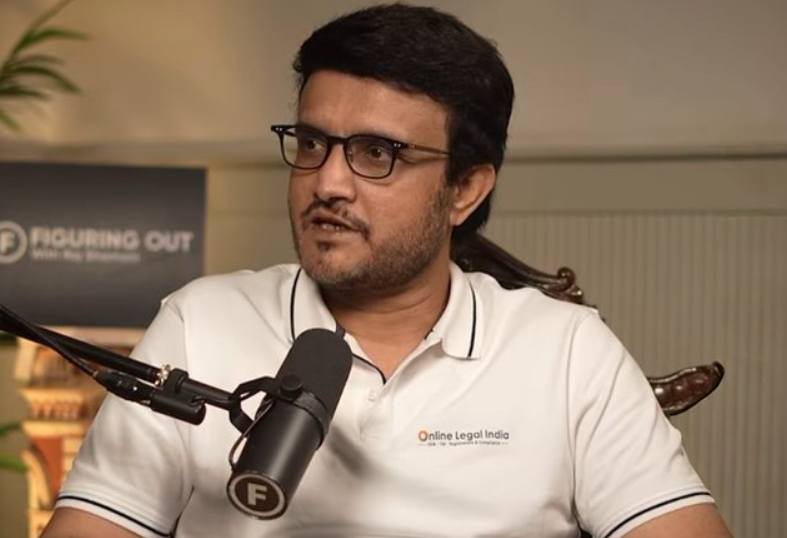
Sourav Ganguly. (Credits: X.com)
Seeking Truth Amidst Turmoil
In a recent appearance on Raj Shamani’s podcast, the former Indian skipper provided a rare glimpse into the mindset of a leader navigating through professional chaos. Ganguly admitted that at the time, he was somewhat naive regarding the depth of the corruption crisis, primarily because he had never personally been approached by anyone regarding match-fixing. This lack of personal experience left him questioning the reality of the situation.
To gain a better understanding of the environment he had inherited, Ganguly initiated candid, private conversations with the stalwarts of the team, including Sachin Tendulkar, Rahul Dravid, and Anil Kumble. He wanted to know if they had faced the same whispers or illicit approaches that were rumored to be circulating in the cricketing corridors.
The Conversations That Shaped Leadership
Recounting those moments, Ganguly noted, “The issues that the Indian team faced just before I became captain – betting, match-fixing – I didn’t even know about these things. I kept asking Sachin and Rahul, ‘Does it actually happen? Has anyone approached you?’ Because no one had approached me. So, I spoke to Sachin, asking if anyone had asked him. He said no. I asked Anil too, and he said no. I wasn’t too sure what it even was. The captaincy was the job in hand, and I didn’t let those things cloud my focus.”
This revelation highlights the immense psychological burden Ganguly carried. Stepping into the captaincy role meant inheriting a dressing room that was under heavy fire from the media and the public. The atmosphere was undoubtedly uncomfortable, with senior players facing intense scrutiny and the team’s collective reputation hanging in the balance.
Rebuilding the Indian Identity
Despite the skepticism surrounding the team, Ganguly managed to steer the ship through the storm. His tenure is widely remembered for transforming India into a fearless unit, particularly in overseas conditions. By fostering a culture of meritocracy and providing opportunities to younger talents, he successfully moved the team away from the lingering shadows of the scandal. He did not just focus on winning matches; he worked to restore the belief of a billion fans.
Ganguly’s leadership style was tested from day one. He recalled his first team meeting as captain in Kochi: “On the eve of the game, I had to address the team meeting. I told my wife, Dona, that many of these guys—Azhar, Sachin—had been my captains. How was I supposed to tell them what to do? I kept the meeting short because the longer it went, the more I’d have to speak. We wrapped it up in 15 minutes. The next day, we won. In the following match in Jamshedpur, I scored a hundred. Slowly, everything started falling into place.”
A Legacy of Stability
The transition period under Ganguly serves as a testament to the importance of strong, resolute leadership during crises. By addressing the elephant in the room with his senior players early on, Ganguly ensured that the team could move forward with a unified front. The stability he brought to Indian cricket during this period became the bedrock upon which the future successes of the Indian team were built. His ability to navigate the politics of the time while maintaining focus on the game proved that his impact extended far beyond the cricket pitch.