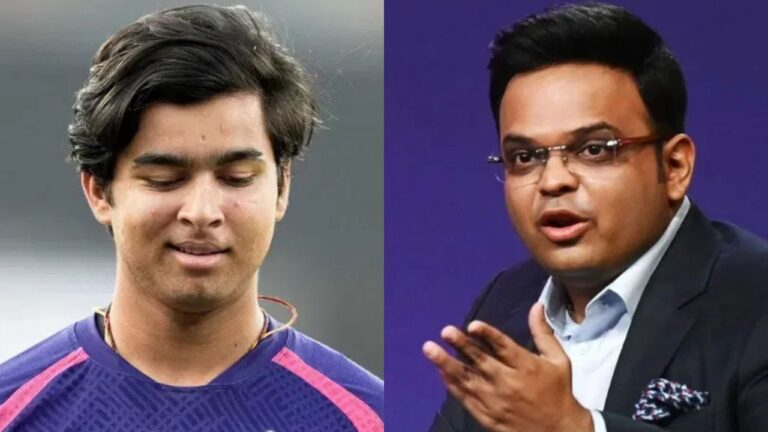
Jay Shah Orchestrates India-Pakistan Collaboration to Stabilize Sri Lanka Cricket
Contents
A Diplomatic Endeavor in Sri Lankan Cricket
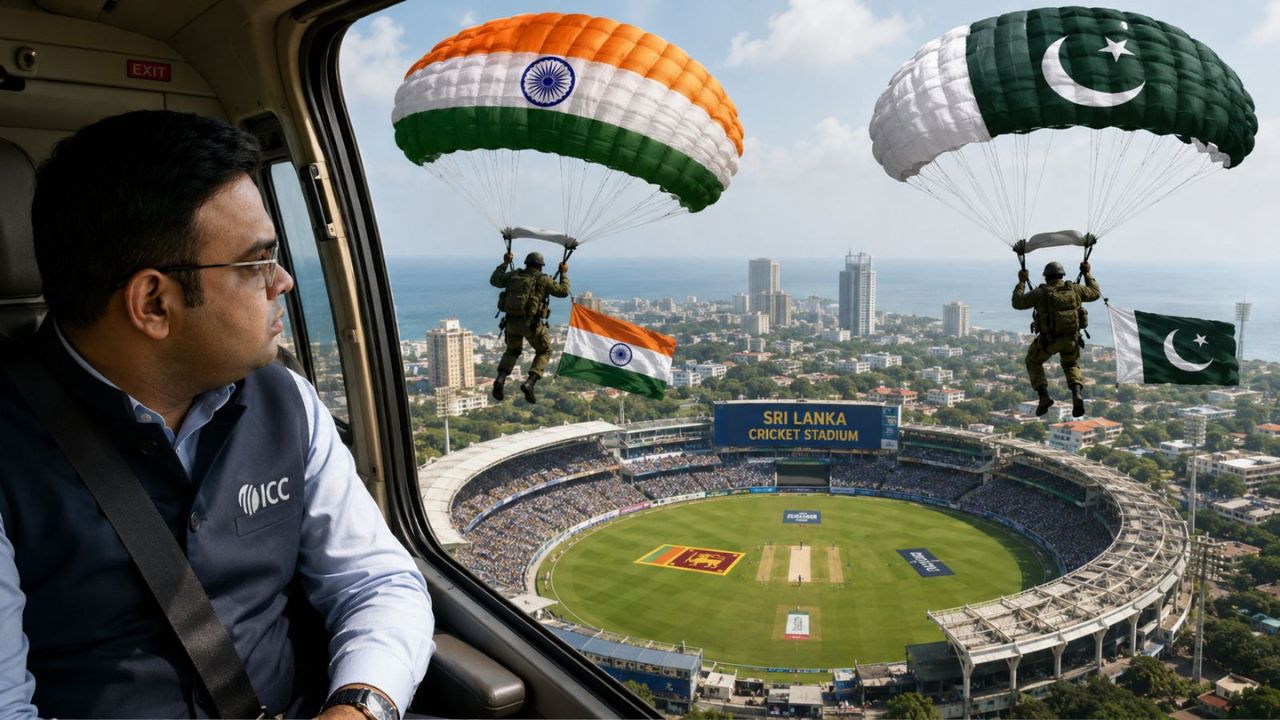
In a significant development for global cricket governance, the International Cricket Council (ICC), under the leadership of Jay Shah, has taken decisive action to address the deepening administrative crisis currently engulfing Sri Lanka Cricket (SLC). This mission is particularly noteworthy for its composition, as it brings together high-ranking officials from rival nations India and Pakistan in a collaborative effort to restore stability to the island nation’s sport.
The Catalyst: A T20 World Cup Exit and Political Fallout
The urgency of this intervention stems from the fallout surrounding the 2026 T20 World Cup. Despite the advantage of playing on home soil, the Sri Lankan team, captained by Dasun Shanaka, suffered a disastrous Super 8 exit, losing three consecutive matches and failing to progress to the semifinals. The performance triggered a wave of public outrage, leading to the resignation of head coach Sanath Jayasuriya and prompting the Sri Lankan government to initiate a formal probe into the administration’s failures.
Following intense discussions with Sri Lankan President Anura Kumara Dissanayake, SLC president Shammi Silva stepped down from his position. This political maneuvering allowed the country’s sports minister, Sunil Kumara Gamage, to establish an interim ‘Cricket Transformation Committee’ composed of nine members, including legendary figures such as Kumar Sangakkara, Sidath Wettimuny, and Roshan Mahanama, with politician Eran Wickremaratna appointed as the committee lead.
The ICC Intervention: Bridging the Divide
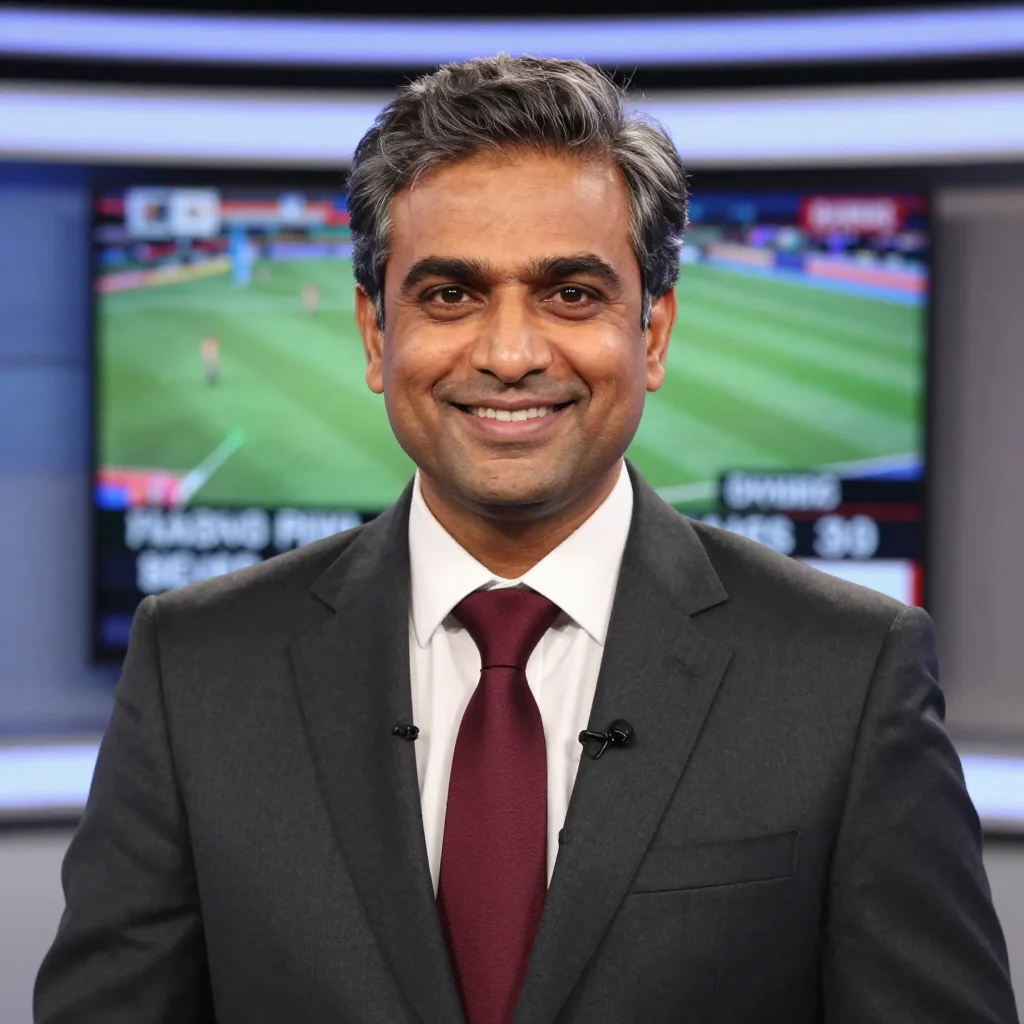
In response to these rapid changes, the ICC has deployed a high-level mission to ensure that the transition remains within the guidelines of international sporting governance. The delegation features a strategic pairing of a senior BCCI official and the ICC’s deputy chairman, Imran Khawaja.
Khawaja, an administrator of Pakistani origin, has already arrived in Sri Lanka to begin consultations. His cooperation with the BCCI representative underscores a rare moment of unity in the boardroom, as both nations recognize the importance of keeping Sri Lankan cricket on a sustainable path. The mission is tasked with navigating the complexities of the Sri Lankan Sports Law of 1973, which historically permits government-appointed interim committees—a practice that generally conflicts with the ICC’s stance on government non-interference.
The primary mandate of the visiting ICC team is to ensure that the current restructuring process does not jeopardize the autonomy of Sri Lanka Cricket. While the Sri Lankan government has maintained that the current measures are temporary and that democratic elections for the SLC will be held in due course, the ICC remains cautious.
The Cricket Transformation Committee is charged with postulating structural reforms to improve governance at the grassroots level. However, the lack of prior consultation between the Sri Lankan sports ministry and the ICC regarding the formation of this committee has created a diplomatic tension that the joint India-Pakistan delegation is now tasked with resolving.
Looking Ahead
The presence of high-level administrators from the BCCI and the ICC in Colombo marks a critical juncture. For cricket fans in Sri Lanka, the hope is that this intervention will lead to a more transparent and efficient administrative structure. By facilitating a dialogue between local stakeholders and the international governing body, the ICC aims to prevent further volatility in one of the sport’s most passionate markets.
As the international cricket community watches closely, the success of this mission will rely on the ability of the ICC to balance the need for reform with the sovereign rights of the national board. With the combined expertise of the BCCI and the ICC leadership now on the ground, there is a renewed sense of urgency to ensure that Sri Lankan cricket can regain its competitive footing on the global stage.