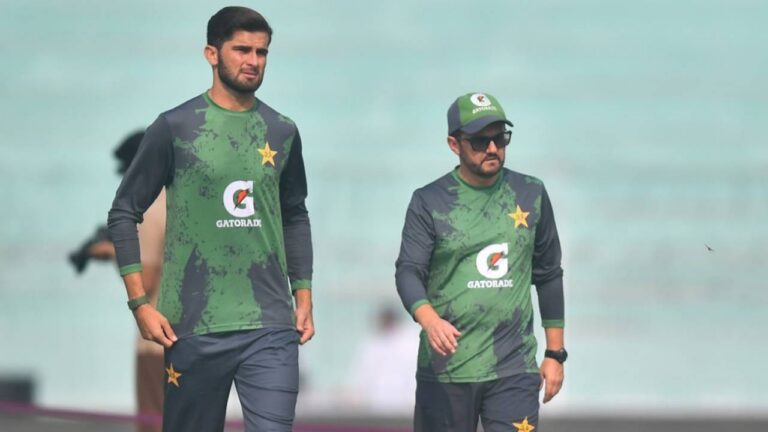
CSK Coach Stephen Fleming Defends Ruturaj Gaikwad Following Slow Knock vs SRH

Contents
The Tactical Debate at Chepauk
In a high-stakes clash at the iconic Chepauk Stadium, the Chennai Super Kings (CSK) faced off against the Sunrisers Hyderabad (SRH) in a match that carried significant playoff implications. While the atmosphere was electric, the performance of CSK skipper Ruturaj Gaikwad became the focal point of intense scrutiny following a particularly difficult outing with the bat.
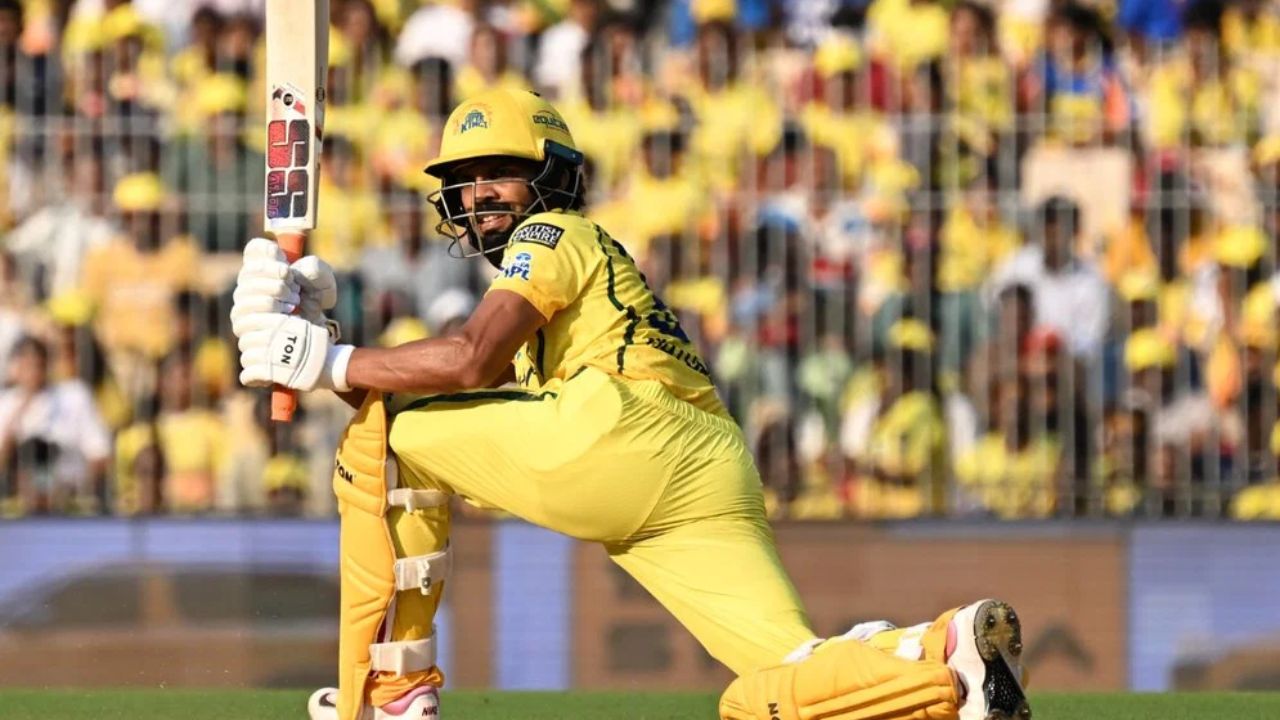
Opting to bat first, the Super Kings started with intent, aiming to set a formidable target. However, the momentum shifted dramatically after the opening phase. While aggressive starts are a staple of T20 cricket, Gaikwad’s innings stood out for all the wrong reasons as he struggled to find his timing on a surface that demanded both patience and intent.
Fleming’s Philosophy on Batting Through
Head coach Stephen Fleming, never one to shy away from protecting his players, offered a firm defense of his captain post-match. Addressing the criticism surrounding Gaikwad’s low strike rate—15 runs off 21 balls with no boundaries—Fleming argued that the team requires a stabilizing force.
“I know it sounds old school, but we need one guy who bats through the innings,” Fleming stated. “Rutu played a lot of cricket. He knows what’s needed. We trust him in that.” This “sheet anchor” approach, while traditional, is often at odds with the modern, high-octane requirements of the IPL, where powerplay dominance and accelerated middle overs are frequently the difference between winning and losing.
The Statistical Reality
Despite Fleming’s vote of confidence, the numbers tell a story that complicates the narrative. Gaikwad’s strike rate of 71.43 in this specific innings was the second-lowest for any player facing at least 20 balls in IPL 2026. Such a slow pace at the top of the order inevitably puts immense pressure on the middle order, forcing batters like Shivam Dube and Dewald Brevis to play catch-up from the moment they arrive at the crease.
Throughout the 2026 season, Gaikwad has faced significant challenges. Across 13 games, he has accumulated 321 runs at an average of 29.18. With only two half-centuries and a season strike rate of 120.67, it is evident that the skipper is searching for the consistency that defined his earlier success in the yellow jersey.
The Impact of SRH’s Discipline
Credit must also be given to the SRH bowling unit, led by Pat Cummins. After an initial surge where CSK scored 31 runs in just 2.3 overs, the SRH bowlers adapted masterfully to the conditions at Chepauk. By utilizing variations, slower balls, and cutters, bowlers like Eshan Malinga and Sakib Hussain choked the run flow during the middle overs.
Pat Cummins, in particular, was instrumental, picking up the vital wickets of Sanju Samson, Kartik Sharma, and eventually Gaikwad himself. This clinical performance by Hyderabad demonstrated how quickly a game can turn when a team fails to rotate the strike effectively against disciplined bowling.
Looking Ahead for CSK
As the tournament reaches its business end, the Super Kings find themselves in a delicate position. With six wins and six losses in 12 matches, their path to the playoffs remains precarious. The reliance on individual stability versus the need for rapid acceleration will continue to be a talking point for the coaching staff.
While Stephen Fleming remains committed to the current batting philosophy, the performance of the team in their final league games will ultimately dictate whether this strategy is viewed as a tactical necessity or a missed opportunity in a highly competitive season. As fans watch with bated breath, the focus now shifts to whether Gaikwad can find his rhythm and lead the charge for a playoff spot.