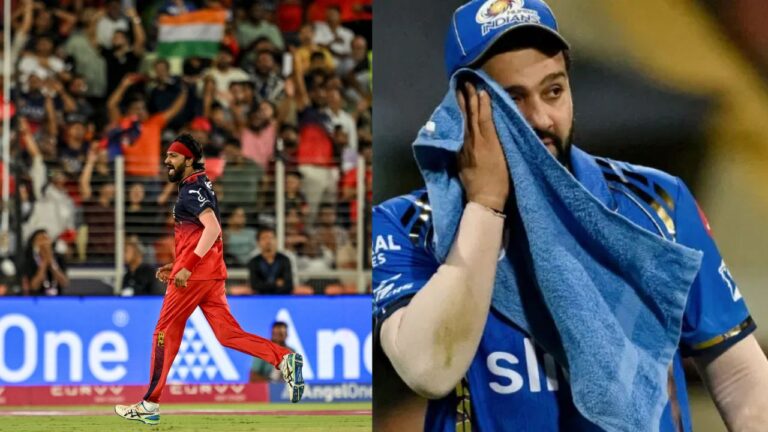
IPL To Take Place 2 Times In A Year! BCCI Announces Massive Action – IPL to Expand: BCCI Mulls Two-Season Format for Future Tournaments
Contents
A New Era for the Indian Premier League?
The landscape of world cricket may be on the brink of a significant transformation. Recent reports indicate that the Board of Control for Cricket in India (BCCI) is evaluating the feasibility of hosting the Indian Premier League (IPL) across two distinct windows within a single calendar year. IPL Chairman Arun Dhumal has confirmed that the governing council is actively seeking alternatives to the current March-May schedule to manage the logistical challenges of an expanding tournament.
The Necessity for Expansion
As the IPL 2026 season reaches its thrilling conclusion, the sheer scale of the competition has become impossible to ignore. With teams like Royal Challengers Bengaluru, Gujarat Titans, Rajasthan Royals, and Sunrisers Hyderabad currently competing for the trophy, the success of the tournament continues to hit new heights. Traditionally, the IPL consists of 74 matches; however, future iterations are expected to balloon to 94 games to ensure every team plays an equal number of home and away fixtures.
This ambitious expansion requires a longer duration, which creates a logistical nightmare. The primary hurdle remains India’s climate. Hosting a tournament through the end of May is already pushing the boundaries of what is feasible given the intense heat and humidity. Extending the schedule into June poses a serious health risk to players and decreases the comfort of spectators, necessitating a move toward a more sustainable calendar.
The Proposed Split-Window Model
During an exclusive conversation with Sportstar, Arun Dhumal shared insights into the governing council’s strategic planning. The proposal involves splitting the IPL into two distinct phases. One potential configuration involves starting the tournament as early as February, with the second half taking place in the September-October window. This shift is not just about weather; it is also highly attractive from a commercial perspective. Scheduling the latter half of the tournament in September and October aligns perfectly with the Indian festive season, particularly the period leading up to Diwali, which is a goldmine for advertisers.
Collaborative Decision Making
Dhumal was careful to note that no decisions have been finalized. The BCCI intends to maintain transparency and cooperation with global stakeholders. The IPL is now a global entity that influences the schedules of other cricket boards and players worldwide. Therefore, the BCCI plans to engage in extensive discussions with broadcasters, foreign cricket boards, and other key partners to ensure any change benefits the broader ecosystem of global cricket. “We have to do what is best for the game,” Dhumal emphasized during his interview.
The Current State of IPL 2026
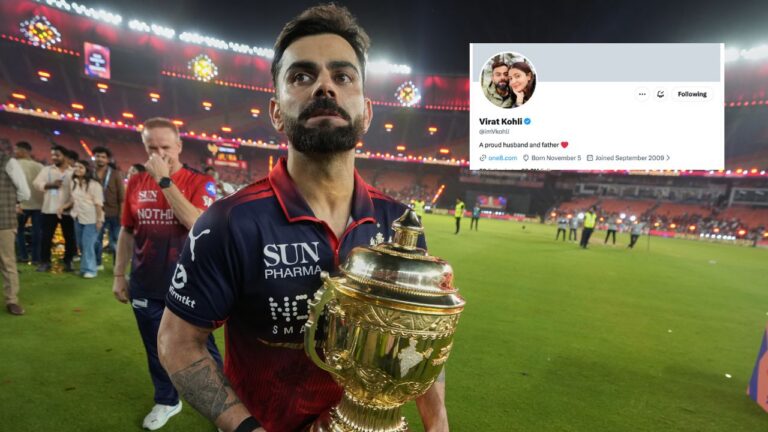
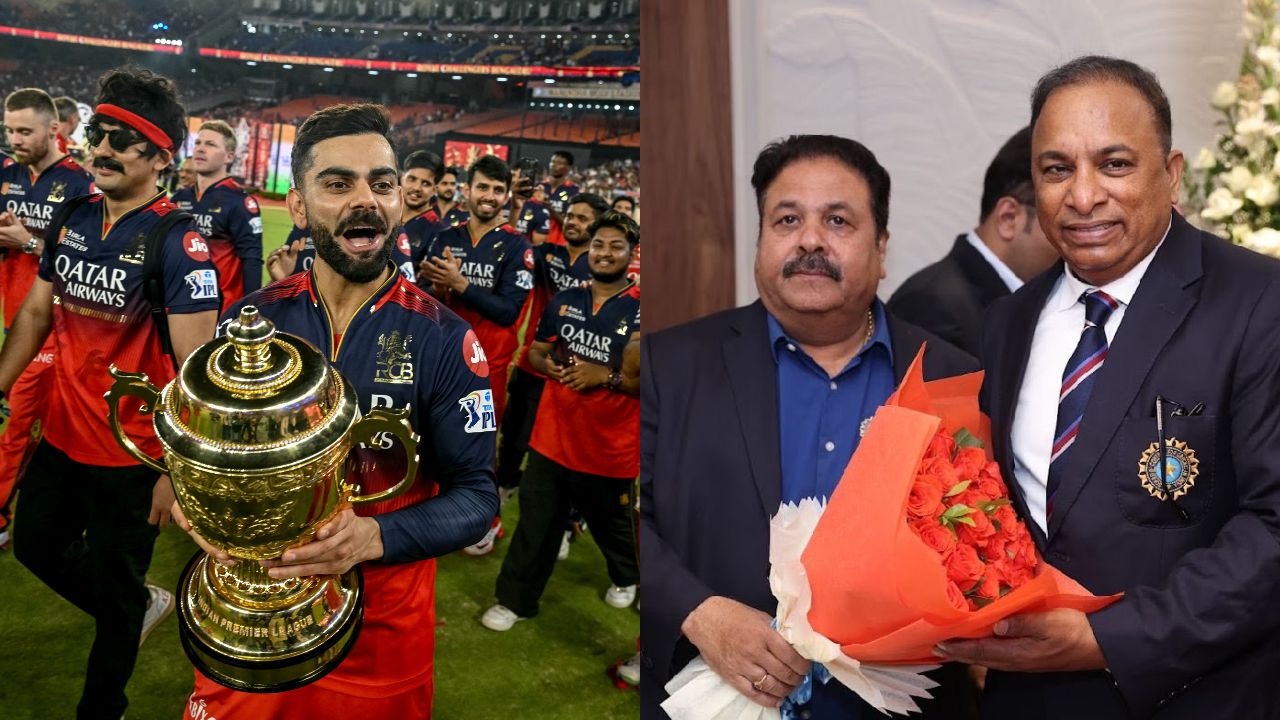
While the future of the league remains a hot topic of debate, the focus remains firmly on the current season. The 2026 edition has provided fans with riveting contests since the opening match between Sunrisers Hyderabad and the defending champions, Royal Challengers Bengaluru, at the M. Chinnaswamy Stadium. As we approach the May 31 final, the intensity has reached a fever pitch. Defending champions RCB have secured their spot in the summit clash following a dominant performance against the Gujarat Titans in Qualifier 1. Meanwhile, the Rajasthan Royals and Sunrisers Hyderabad are preparing for a high-stakes encounter in the Eliminator. The winner of this clash will move on to face the Gujarat Titans in Qualifier 2, with the winner of that match booking the final ticket to the Narendra Modi Stadium in Ahmedabad.
Looking Ahead
The evolution of the IPL is a testament to its unmatched popularity. As the BCCI weighs the pros and cons of shifting to a dual-window format, the cricketing world will be watching closely. Whether this leads to a permanent change in how we consume T20 cricket remains to be seen, but one thing is certain: the IPL is committed to growth and, more importantly, to finding the best possible environment for the world’s premier cricketing talent to perform.