BCB Faces Legal Challenge: Tamim Iqbal-Led Ad Hoc Committee Under Scrutiny
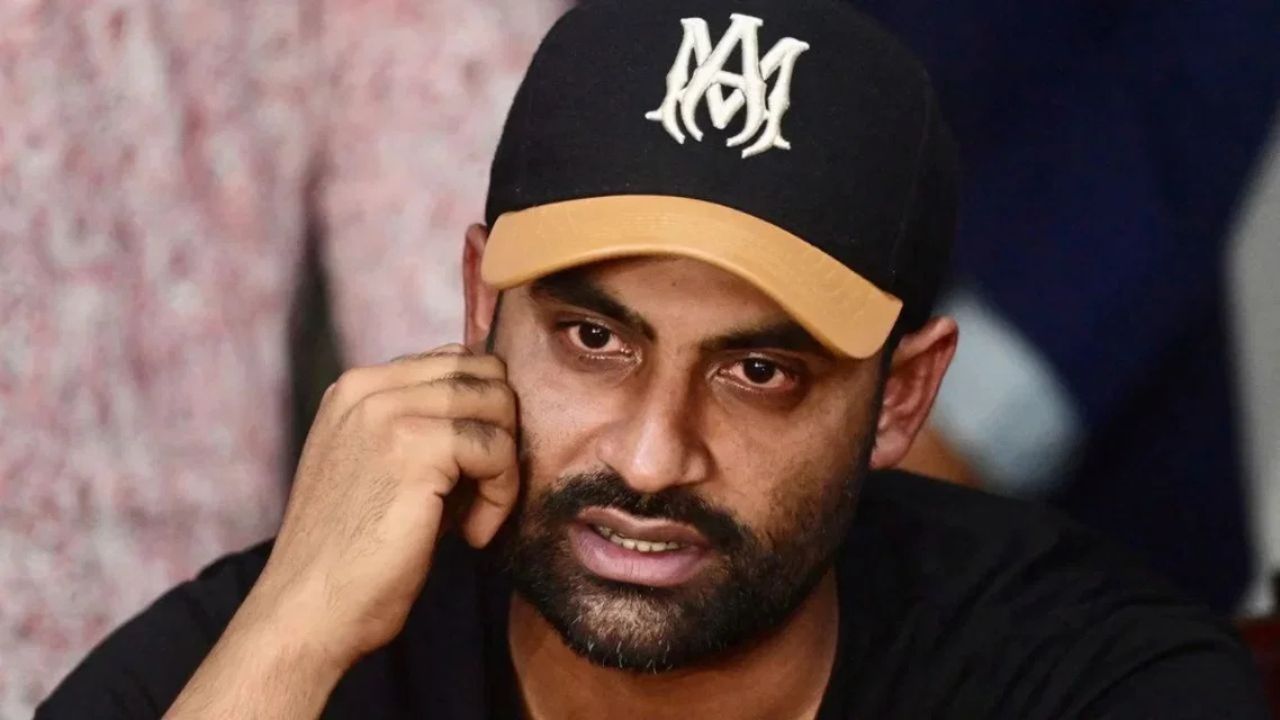
The Bangladesh Cricket Board (BCB) is currently navigating a significant legal challenge, a situation that has emerged amidst the national team’s commendable performance against Pakistan. This new development sees as many as 12 prominent cricketing figures, including former players and officials, filing a writ petition in the High Court Division of Bangladesh’s Supreme Court, directly impacting the board’s current leadership structure.
Contents
High Court to Hear Challenge Against BCB Restructuring
The core of the legal challenge revolves around the legitimacy of two major actions: the dissolution of the BCB’s previously elected executive committee and the subsequent formation of an ad hoc committee. This interim body is currently headed by former Bangladesh captain Tamim Iqbal, who assumed the role following the ousting of the former BCB President, Aminul Islam Bulbul. The petitioners argue that these actions represent a significant departure from established democratic processes within the nation’s cricket administration, potentially setting a concerning precedent for future governance.
Prominent Figures Lead the Legal Charge
Among those who have formally challenged the Tamim Iqbal-led BCB are several well-known personalities within Bangladesh cricket. The list includes Aminul Islam Bulbul, the former BCB President whose removal instigated much of the current controversy, alongside other distinguished figures such as Faruque Ahmed, Asif Akbar, and Khaled Mashud Pilot. Their collective action underscores a deep concern regarding the procedural integrity and foundational principles governing the sport in Bangladesh. The involvement of such influential individuals adds considerable weight and public interest to the ongoing legal proceedings, signaling that this is more than a minor administrative dispute.
The petitioners are specifically questioning the legality behind the dismantling of the earlier elected BCB governing body. It is widely acknowledged that Aminul Islam Bulbul was removed from his presidential post earlier this year, a decision that occurred amid a flurry of resignations from various positions within the board. Reports from the time suggested that Bulbul’s departure was not merely a result of internal dissent but was also linked to broader issues, including Bangladesh’s perceived missteps in relations concerning the T20 World Cup 2026, involving both the Board of Control for Cricket in India (BCCI) and the International Cricket Council (ICC). Such a critical international matter highlights the gravity of the circumstances leading to the previous committee’s dissolution.
Beyond challenging the removal of the elected body, the petitioners are also contesting the very formation of the ad hoc committee, which is now operating under the leadership of Tamim Iqbal. Tamim, a celebrated figure in Bangladesh cricket, was appointed as Aminul’s successor, making him, at 37 years old, the youngest individual to ever lead the BCB. While his appointment brought a fresh face to the administration, the manner of transition has drawn criticism. As reported by the Daily Sun, the central argument presented by the petitioners is that replacing an elected committee with an unelected ad hoc body undermines the fundamental democratic tenets crucial for robust and transparent cricket administration in Bangladesh. This argument touches upon the core principles of accountability and representation that are expected in any major sports governing body.
Legal Proceedings Underway and Set to Accelerate
The legal process for this high-profile case has already commenced. The matter has been officially assigned to a dedicated bench of the High Court, comprising Justice Fatema Najib and Justice AFM Saiful Karim. In a significant development, this bench has already granted permission for the legal matter to proceed, indicating that the court recognizes the merits of the petitioners’ arguments and the necessity for a formal review. This initial approval signals a crucial step forward for the petitioners, transforming their challenge from a mere filing into an active legal process that demands immediate attention from the BCB.
Sources within the legal community indicate that the BCB’s legal troubles are poised to escalate rapidly. It is widely anticipated that the case will be presented for a formal hearing within approximately one week. This expedited timeline suggests the urgency with which the High Court is treating the petition, underscoring the potential implications for the stability and governance of Bangladesh cricket. Such a swift progression means the BCB must prepare for an imminent legal battle, which could significantly distract from the on-field performances and strategic planning essential for the sport’s development.
Understanding the Reasons Behind Aminul Islam Bulbul’s Ousting
The removal of BCB President Aminul Islam Bulbul occurred just days after a series of six resignations rocked the board within a single week in early April. This cascade of departures suggested deep-seated issues and a lack of confidence within the BCB’s structure. Further back in January of the same year, Ishtiaque Sadeque had also stepped down from his position as a BCB director, citing “personal reasons” for his decision, which, in hindsight, may have been an early indicator of the brewing internal turmoil. These resignations collectively painted a picture of an administration under increasing pressure and facing internal dissent.
Adding to the board’s woes, the BCB was already under intense scrutiny from an investigation committee established by the National Sports Council (NSC). This investigation was primarily focused on Aminul Islam’s alleged involvement in a controversial board election that took place the previous year. Allegations of irregularities in the electoral process would naturally cast a long shadow over the legitimacy of the entire board, providing a strong impetus for intervention and reform. The convergence of these internal conflicts with external scrutiny created an untenable situation for the then-president.
Another significant factor reportedly contributing to the previous committee’s dissolution was Bangladesh’s handling of the T20 World Cup 2026. Issues related to this major international tournament, particularly in dealings with cricketing powerhouses like India (BCCI) and the ICC, were cited as critical shortcomings. Such high-stakes international relations are vital for a cricket board, and any perceived mismanagement or failure in this regard could severely impact a nation’s standing in global cricket. These collective failures and controversies ultimately led to the decision to dissolve the elected body and install an interim leadership.
Following this period of upheaval, an ad hoc committee was established to govern the BCB until fresh elections could be conducted. This committee, now under the leadership of Tamim Iqbal, comprises a diverse group of individuals, many of whom are also former cricketers or experienced administrators. Key members include Minhajul Abedin, another former Bangladesh captain, Athar Ali Khan Rashna Imam, Mirza Yeasir Abbas, Syed Ibrahim Ahmed, Israfil Khasru, Tanjil Chowdhury, Salman Ispahani, Rafiqul Islam, and Fahim Sinha. The composition of this committee reflects an attempt to bring stability and experience to the board during a challenging transitional phase, though its legitimacy remains the central point of contention in the ongoing legal dispute.
The unfolding legal battle poses a significant test for Bangladesh cricket. The outcome will not only determine the leadership of the BCB but also potentially redefine the standards of governance and democratic process within the sport in the nation. As the High Court prepares for a formal hearing, the cricketing world watches closely to see how this crucial administrative and legal challenge will resolve, and what implications it will hold for the future of Bangladesh cricket.