Bangladesh High Court Upholds Tamim Iqbal-Led BCB Ad Hoc Committee

Contents
A Legal Victory for Stability in Bangladesh Cricket
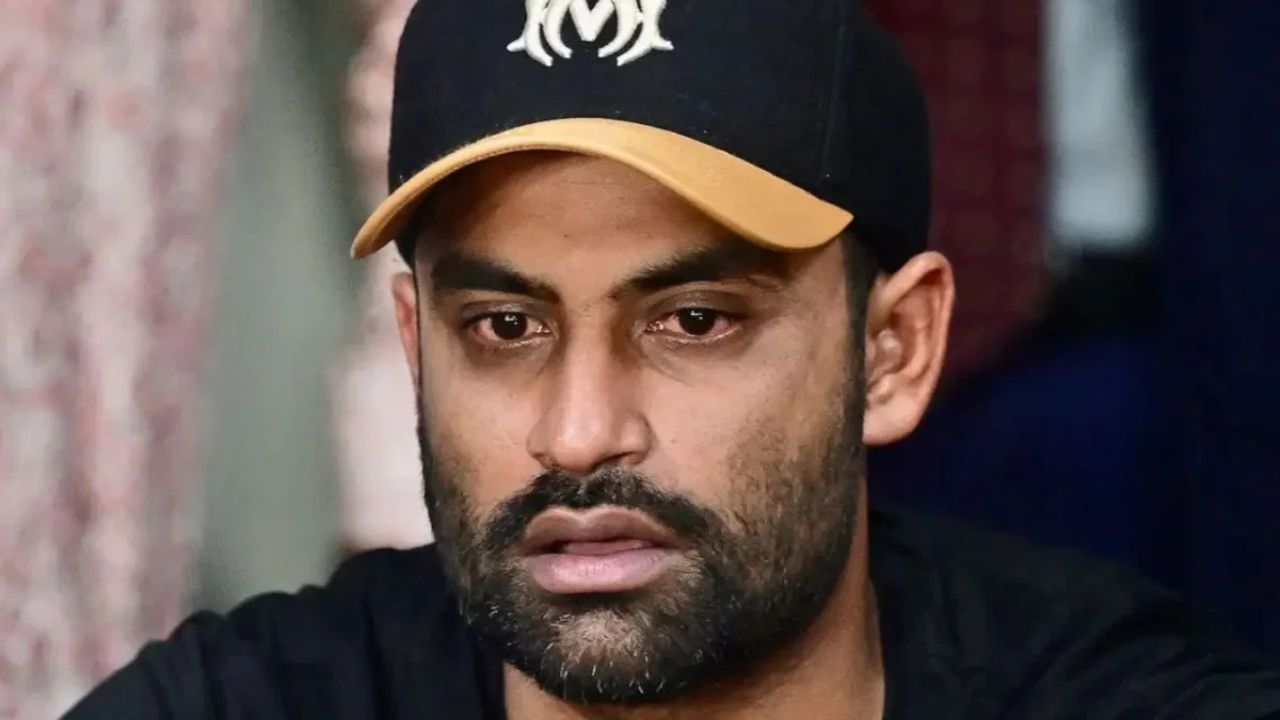
In a significant legal development that brings much-needed clarity to the administrative future of the Bangladesh Cricket Board (BCB), the Bangladesh High Court has ruled in favor of the current ad hoc committee led by former national captain Tamim Iqbal. On May 21, the High Court dismissed a petition that sought to challenge the legality of the committee, effectively removing the threat of dissolution that had cast a shadow over the board’s operations.
This judicial intervention is crucial as it ensures that the transition process for the board’s leadership remains on track. With the legal challenges dismissed, the 11-member body is now empowered to proceed with the highly anticipated elections, which are scheduled to take place on June 7, 2026, without the fear of further judicial interruption.
Understanding the Role of the Ad Hoc Committee
The current 11-member ad hoc committee was established by the National Sports Council (NSC) on April 7, 2026. The formation of this body followed the dissolution of the previous BCB board, which had faced intense scrutiny and allegations of electoral irregularities surrounding former official Aminul Islam Bulbul. To restore order and credibility to the governance of the sport, the NSC appointed Tamim Iqbal as president.
The composition of the committee reflects a deliberate effort to balance cricketing expertise with administrative and legal oversight. The panel includes a diverse group of stakeholders, such as former cricketers Minhajul Abedin Nannu and Athar Ali Khan, alongside experienced legal experts, prominent business figures, and former BCB directors. Since its inception, the committee has been actively restructuring the board’s internal operations, including the strategic assignment of responsibilities for women’s cricket, facilities management, and national game development.
The Challenge Against the Committee
The legal friction originated from a petition that questioned the fundamental legality of the April 7 decision to form the ad hoc committee. The petitioners argued that the board’s recent actions, including the exercise of executive powers by an interim body, lacked a sufficient legal foundation. They sought an interim order to halt all activities performed by the committee until a final judicial verdict could be rendered.
Key entities named in the legal challenge included the Youth and Sports Ministry, the National Sports Council, the BCB election commission, and even the ICC chief executive officer. The scope of the petition was broad, aiming to invalidate every decision taken by the committee since its appointment, which would have effectively paralyzed the board at a critical juncture in the cricket calendar.
The High Court’s Verdict
The bench comprising Justice Fatema Najib and Justice AFM Saiful Karim examined the merits of the arguments presented and ultimately found no basis to grant the requested relief. By dropping the writ petition from the cause list, the court signaled that there was no substantive evidence to warrant an intervention in the committee’s functioning. While the court noted that the petitioners retained the right to approach another bench, the immediate effect of the ruling is the legitimization of the current leadership’s mandate to steer the board through the election phase.
Preparing for the June 7 Elections
With the legal path cleared, the BCB is now fully focused on the administrative transition. The elections scheduled for June 7, 2026, are expected to be a watershed moment for the board. The process will see 184 registered councillors participate in electing 23 directors, who will then collectively decide the next BCB president for a four-year tenure.
The election structure is categorized to ensure broad representation:
- Regional/District: Ten directors will be elected from various cricket associations across the country.
- Dhaka-based Clubs: Twelve directors will be elected to represent the interests of clubs based in the capital.
- Special Category: One director will be selected from a pool of former national captains, veteran cricketers, security force nominees, and NSC appointees.
Tamim Iqbal is widely expected to contest the elections, signaling his intent to transition from his interim leadership role to a confirmed administrative position. The three-member Election Commission, led by senior advocate Ahsanul Karim, has already set the timeline. Following the publication of the final voter list on May 19 and the conclusion of the nomination period on May 22, the final list of candidates is slated for release on May 25. The process will conclude with electronic and postal balloting on June 6, with results anticipated that same evening, marking a new chapter for the governing body of Bangladesh cricket.