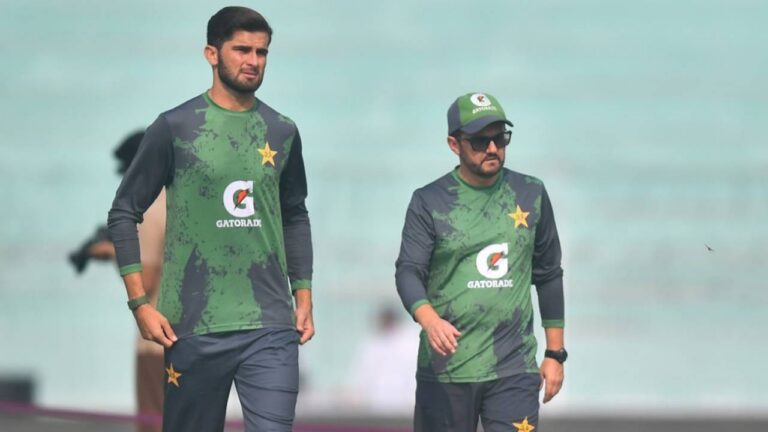
PCB Official Statement: Mohsin Naqvi to Attend ICC India Meeting Virtually

Contents
The PCB’s Strategic Response to the ICC’s Ahmedabad Invite
The landscape of international cricket continues to be dominated by the complex administrative tug-of-war between India and Pakistan. In the latest development, the Pakistan Cricket Board (PCB) has officially responded to an invitation from the International Cricket Council (ICC) to attend a high-level directors’ meeting scheduled to take place in Ahmedabad, India. The meeting, set for May 30 and May 31, has become a focal point for the PCB’s ongoing policy regarding travel to neighboring India.
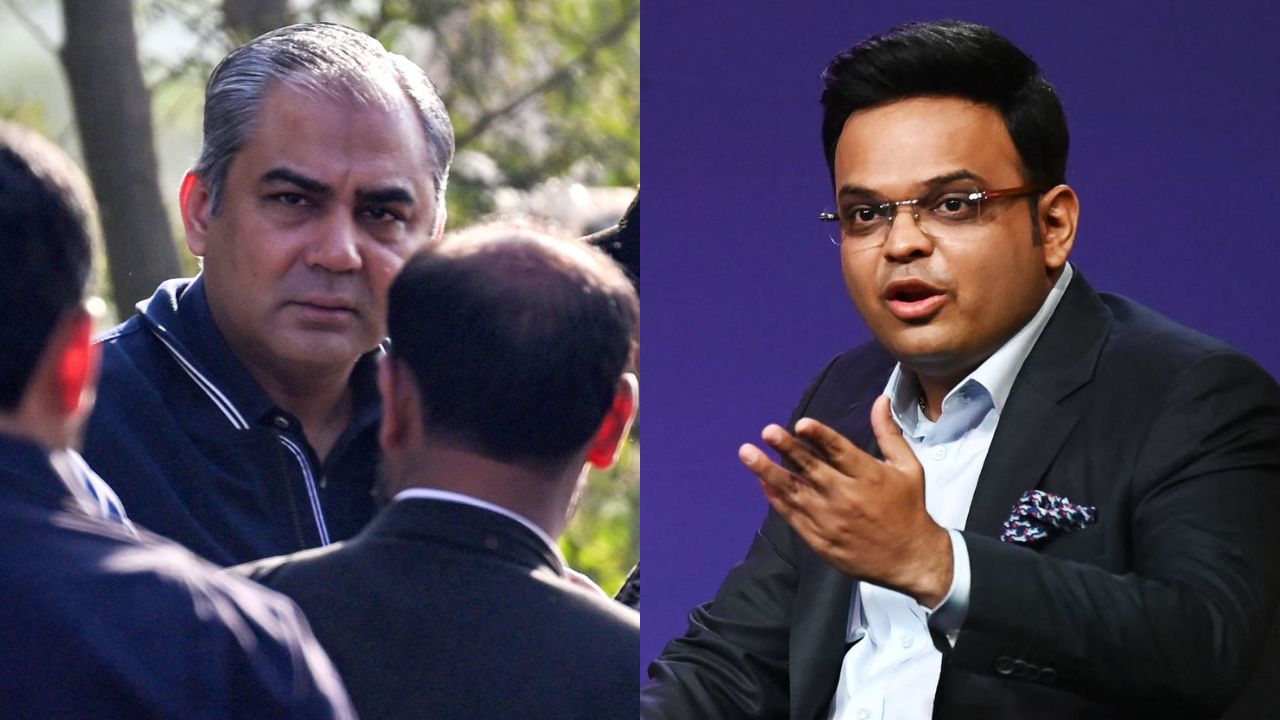
Despite the significance of the gathering, which requires the presence of top-tier board directors, the PCB has maintained its hardline stance. Reports confirm that Mohsin Naqvi, the PCB Chairman, will not be traveling to India in person. Instead, Naqvi will participate in the discussions virtually via video conference. This decision underscores the board’s commitment to its current policy, even as representatives from other global cricket boards are expected to attend the sessions in person at the BCCI’s stronghold in Ahmedabad.
A Stance Rooted in Recent Friction
The decision to avoid physical presence in India is not an isolated one; it is a direct consequence of a series of disagreements and broken bilateral relations. The tension reached a boiling point following India’s refusal to travel to Pakistan for the ICC Champions Trophy 2025. In response, the PCB has adopted a reciprocal position, signaling a reluctance to engage in cricket-related commitments on Indian soil until a more balanced arrangement is reached.
This current impasse stands in stark contrast to late 2023, when the Pakistan men’s national team traveled to Ahmedabad for the ICC Cricket World Cup. That visit, however, ended in a disappointing 7-wicket defeat for Pakistan, and the subsequent months have seen a further deterioration in administrative relations. The PCB had initially hoped that their willingness to travel for the 2023 World Cup would be met with a reciprocal gesture from the BCCI and the Indian government for the 2025 Champions Trophy. When that reciprocity failed to materialize, the PCB’s stance hardened significantly.
Escalating Tensions and Controversial Exchanges
The rift between the two boards has expanded beyond just scheduling conflicts. Several recent events have added fuel to the fire, creating an atmosphere of mutual distrust. Following the relocation of several key matches to Dubai—where India ultimately secured a title—the relationship between the PCB and the BCCI has seen several public flashpoints.
Internal reports suggest that cross-border tensions, exacerbated by security concerns such as the Pahalgam incident, have directly impacted the cricketing calendar. Notably, the Women’s Emerging Asia Cup 2025 was cancelled, and the Men’s Asia Cup was marred by what has been described as ‘handshake-gate.’ Controversial gestures from players and administrative friction during trophy presentations have become symptomatic of the divide. Mohsin Naqvi himself was involved in a notable incident where he reportedly refused to hand over a trophy to the Indian side after they declined to receive it directly from the PCB chief.
Furthermore, Pakistan’s recent scheduling in major tournaments reflects this divide. The team did not play a single match of the ICC Men’s T20 World Cup on Indian soil, with their fixtures being moved to Sri Lanka. While a boycott of their clash against India was briefly considered after Bangladesh was replaced in the tournament, the match eventually took place in Colombo, where Pakistan faced another defeat.
The Ahmedabad Agenda: The Future of Test Cricket
While the focus for many remains on the PCB-BCCI dynamic, the ICC meeting in Ahmedabad has several critical items on its agenda that will shape the future of the sport globally. The meeting was originally slated to take place in Doha, Qatar, but was relocated to India due to the volatile security situation in West Asia.
Key discussions will center on the restructuring of the World Test Championship (WTC). There is a growing movement within the ICC to make the format more inclusive and competitive. Potential agendas include:
- Expansion of the WTC: Considering the inclusion of Zimbabwe, Ireland, and Afghanistan in the championship cycle to provide more context to their red-ball fixtures.
- Two-Tier System: Speculation is rife regarding the division of the WTC into two tiers of six teams each. This move aims to avoid lopsided results and ensure that teams of similar competitive levels face each other more frequently.
- Global Calendar Alignment: Ensuring that the rise of T20 leagues does not further erode the sanctity of the Test format.
In addition to these structural debates, the ICC is also preparing for its Annual General Meeting (AGM) in Edinburgh, which is scheduled to take place later this year following the conclusion of the Women’s T20 World Cup in England. For the PCB, attending the Ahmedabad meeting—even virtually—is essential to ensure their voice is heard in these transformative discussions, even as they maintain their diplomatic protest against the current hosting arrangements.