Women’s cricket shortchanged again as men’s Test binfire sucks up the oxygen

Contents
A Historic Occasion Overshadowed
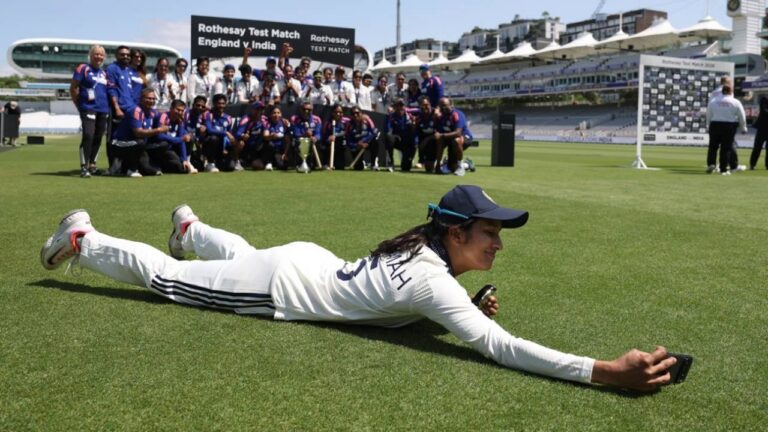
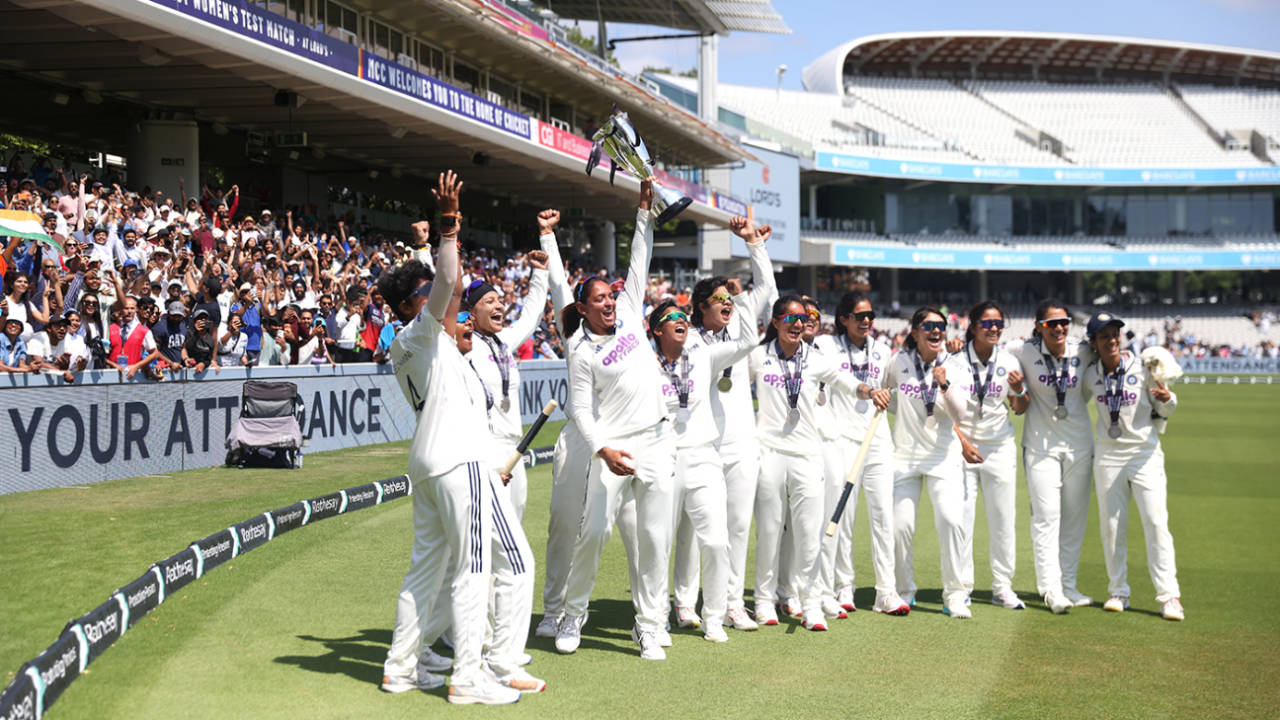
There was a palpable sense of excitement at Lord’s, with fans queuing deep around the pavilion to catch a glimpse of history. It was a momentous week for women’s cricket, featuring a historic Test match that drew significant crowds. A record-breaking 37,846 spectators attended across the game, proving that the appetite for the women’s game is stronger than ever. When the Indian team paraded their silverware before a sea of supporters, the roars of acclaim confirmed that the sport had achieved a vital breakthrough in the national consciousness.
The Battle for Oxygen
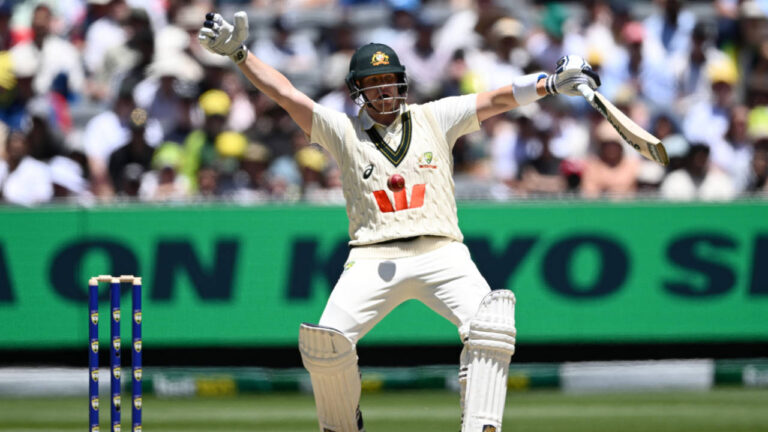
Despite these successes, one cannot help but feel that the hosts have been denied their rightful moment in the spotlight. As England captain Heather Knight stood in a cramped squash court to address the media, the timing was cruelly ironic. At that very moment, the chaos surrounding the men’s Test setup—specifically the sacking of coach Brendon McCullum—was dominating the headlines. This was the latest instance where the sport’s limited media oxygen was consumed entirely by a men’s team crisis that seemed to spiral out of the governing body’s control.
A Pattern of Mismanagement
The ECB’s handling of the summer narrative has been nothing short of baffling. From the moment the men’s side hit a rough patch, the narrative was hijacked. On the eve of major women’s fixtures, including the T20 World Cup opener, headlines were consistently dominated by controversies surrounding the men’s team, ranging from squad axings to public disputes over mental health and retirement bombshells. The decision to announce the sacking of the men’s coach during the third day of a historic women’s Test was the final indignity, forcing key players like Heather Knight and Tammy Beaumont to navigate their final innings amidst a storm of external noise.
The Disconnect Between Effort and Attention
While the MCC and the operational teams behind the T20 World Cup did an excellent job—exceeding ticket sale expectations by nearly 100,000—the senior leadership at the ECB failed to protect the women’s game from being cannibalized by the men’s drama. There was a promise that this summer would serve as a grand showcase for the progress the women’s game has made since 2017. Instead, the sport was treated as an afterthought in its own house.
A Future Still Waiting to Be Defined
England’s struggles on the field during their Test debut at Lord’s—marking their fourth loss in five matches and continuing a winless home streak since 2005—certainly didn’t help their case for media attention. However, the tragedy lies in the fact that 142 years of gender-based history was occurring simultaneously, yet it was forced to fight for scraps of coverage. With over 300,000 tickets sold for women’s cricket in a single month, the demand is clear. The public wants to watch, they want to engage, and they want to celebrate these athletes. It is time for the governing bodies to ensure that the women’s game is given the space it needs to breathe, independent of the volatility of the men’s side. The distance the sport has yet to travel is not measured in runs or wickets, but in the institutional recognition of its own immense value.