Contents
The Beauty of Focused Competition
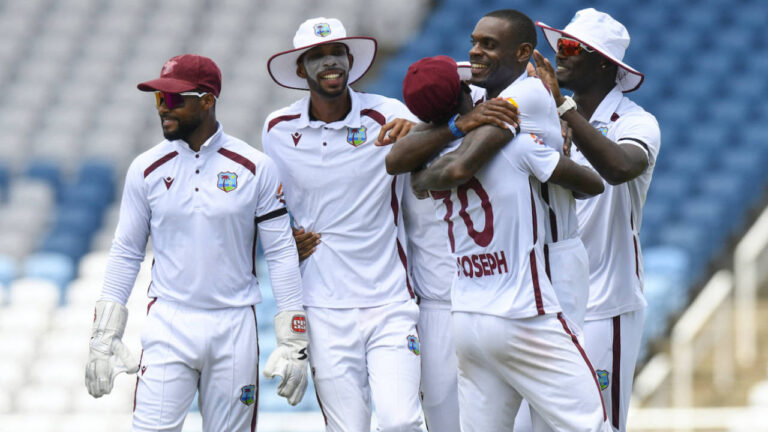
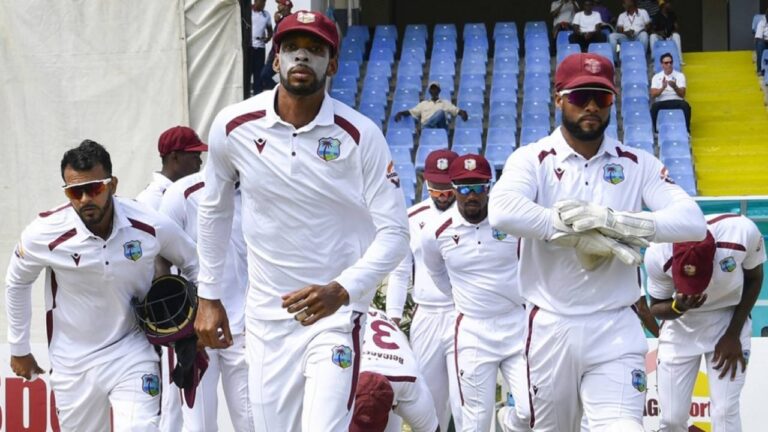
In an era where international cricket is increasingly complicated by off-field politics, coaching turmoil, and the shifting dynamics of franchise leagues, the current series between the West Indies and New Zealand feels refreshingly grounded. While nations like England navigate a search for new leadership and India manages internal squad pressures, these two sides remain focused on the purest elements of the game. For the West Indies and New Zealand, the objective is straightforward: securing a series win, recovering from deficits, and managing the development of the next generation of talent.
The Steady Hands of Hope and Mitchell
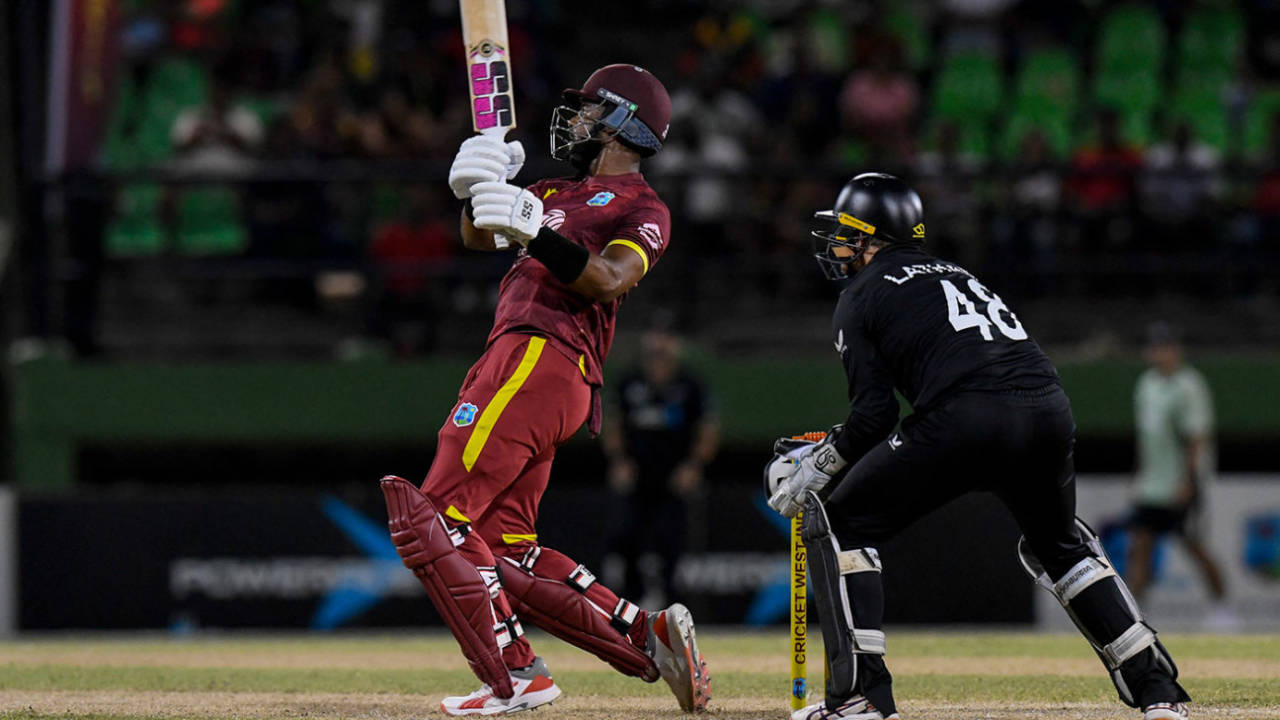
Success in ODI cricket often requires a anchor, and both teams have found theirs in players who exemplify consistency. For the West Indies, captain Shai Hope continues to be a pillar of reliability. Hope is part of an elite group of only five men who have scored over 5,000 ODI runs at an average exceeding 50 with a strike rate above 80. His presence simplifies the batting strategy, providing a baseline of performance that allows others to play around him.
Conversely, New Zealand has managed the transition of legendary figures with remarkable poise. Despite the retirements of giants like Ross Taylor and Kane Williamson, the Black Caps remain formidable. Daryl Mitchell has emerged as a cornerstone of their middle order. With an average of 58.61, he is statistically one of the most efficient run-scorers in ODI history. His ability to sustain high levels of performance, regardless of the opponent or venue, highlights why New Zealand continues to be a competitive force in world cricket.
Spotlight on Emerging Talent: Auguste and Chapman
Every series brings the promise of new narratives, and this encounter features two players at very different stages of their professional journeys. Ackeem Auguste, the former U-19 captain for the West Indies, is currently working through the growing pains of international cricket. Following a promising start, he has faced a difficult run of form. The West Indies management faces the crucial decision of providing him with the necessary patience to translate his raw potential into sustained production.
Mark Chapman, meanwhile, represents the seasoned professional finally finding his rhythm. Having debuted in 2015, Chapman has had to wait for his opportunities within a deep talent pool. Now, as he steps off the franchise circuit to represent the Black Caps, he has a clear mandate to showcase his value. His career trajectory serves as a reminder that international stability often rewards those who remain dedicated to the national cause.
Team Dynamics and Tactical Shifts
The West Indies squad has received a boost with the return of Shimron Hetmyer, who replaces the injured Justin Greaves. Hetmyer brings a wealth of experience to the batting lineup, having last featured in ODIs in June 2025. His addition provides much-needed firepower as the series progresses toward the second and third matches.
New Zealand is navigating a strategic transition regarding their opening partnerships. With first-choice options currently unavailable, the team is relying on the adaptability of Henry Nicholls and Will Young. The long-term plan, however, seems to involve integrating Finn Allen and Rachin Ravindra into these roles. The versatility of the squad remains a key feature, especially with players like Nathan Smith proving their worth after stellar performances in recent overseas tours.
Conditions and Historical Context
The pitch conditions in Guyana have heavily favored spin bowling, a trend that played a significant role in the series opener. The fact that West Indies successfully fielded Vitel Lawes—a player who had not competed in professional cricket prior to this setup—speaks volumes about the surface’s assistance to slow bowlers. With spinners accounting for eight of the 13 wickets in the first ODI, the toss and reading of the pitch will be vital for the remainder of the series.
History provides a sobering reminder of the challenge ahead. Since the turn of the millennium, the West Indies have only managed to win a bilateral ODI series against the Black Caps on two occasions: in 2002 and 2012. As they prepare to face off again, both teams have the opportunity to define their own legacy, proving that even as they operate on the margins of the sport’s financial hierarchy, their commitment to the game remains as sharp as ever.