Mithali Raj: Mandhana should have been India captain ‘two-three years back’

Contents
A Call for Strategic Transition in Indian Cricket
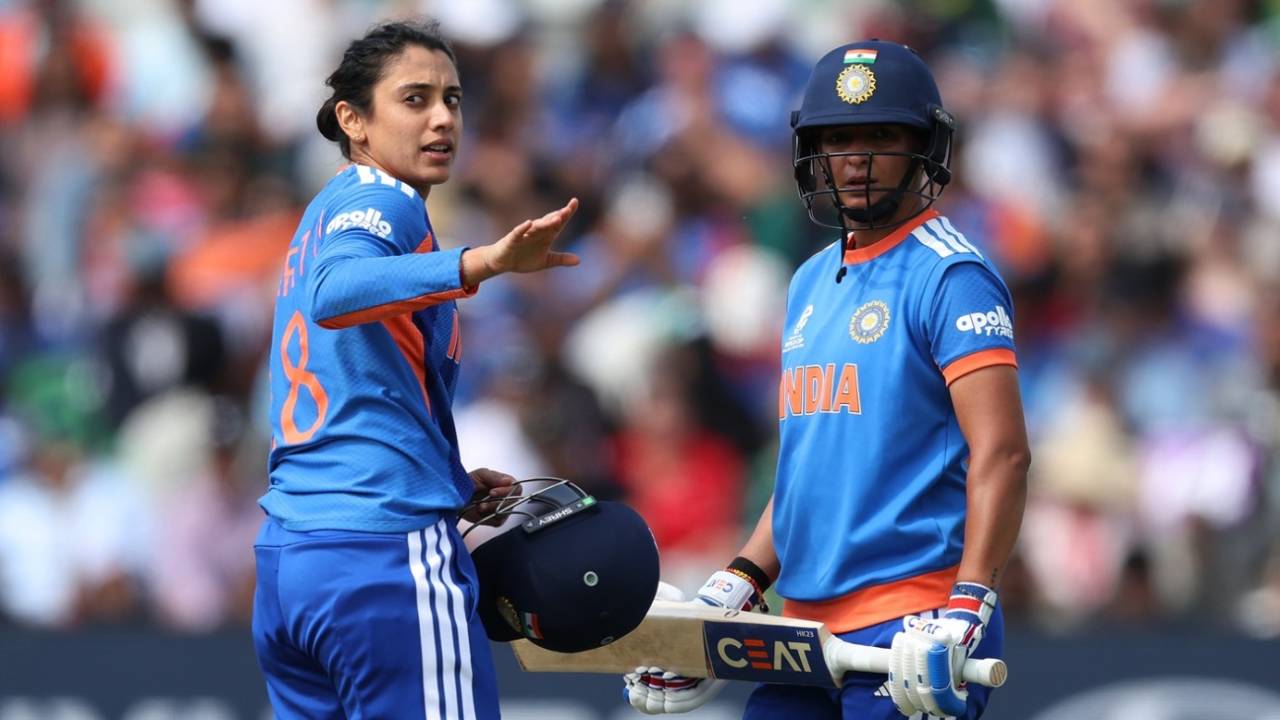
The landscape of Indian women’s cricket is at a pivotal juncture. As the team seeks to build on its global standing, former captain Mithali Raj has sparked a vital conversation regarding leadership succession. Her assertion that Mithali Raj: Mandhana should have been India captain ‘two-three years back’ underscores a belief that the transition process has been far too stagnant, potentially stalling the progress of the national side.
The Case for Smriti Mandhana
Mithali Raj, whose own legendary tenure defined an era, remains a staunch admirer of Smriti Mandhana’s cricketing brain and experience. According to Raj, the timing for a handover in the ODI and Test formats is long overdue. While acknowledging that leadership roles carry immense pressure, Raj argues that Mandhana’s growth as a player and tactical understanding have made her a natural successor for quite some time.
However, Raj is not merely advocating for a simple swap; she is pushing for a specialized approach to captaincy. She suggests that while Mandhana takes the mantle for the longer formats, the T20 captaincy could be better served by fresh blood, specifically naming explosive batter Shafali Verma or Jemimah Rodrigues. Both players have demonstrated significant leadership potential—Shafali having led India to a U-19 World Cup title and Rodrigues gaining valuable experience at the helm during the Women’s Premier League (WPL).
Evaluating the Legacy of Harmanpreet Kaur
The discussion surrounding the captaincy naturally turns to the incumbent, Harmanpreet Kaur. Mithali Raj is careful to point out that her critique is not a knee-jerk reaction to recent tournament exits. Instead, it is a clinical analysis of three critical factors: fitness, form, and future planning. Raj notes that the reliance on the physio has become a recurring theme, and she stresses that a captain must be consistently available and physically peak-fit to lead from the front.
Furthermore, Raj highlights a concerning pattern in Kaur’s performances during major ICC events. Often taking several matches to reach a significant score, these slow starts have hindered India’s momentum in high-stakes tournaments. Raj emphasizes that the selectors must look at the upcoming cycle and ask whether the current leadership structure fits the long-term roadmap required for the next ODI and T20 World Cups.
The Missing Roadmap
Perhaps the most damning part of Raj’s critique is the lack of a clear, long-term vision within the current selection framework. She points out that the leadership group has remained stagnant for years, revolving solely around two individuals. This lack of grooming for a third or fourth option has left the team vulnerable whenever the primary leaders are absent or out of form.
Raj drew a parallel to her own career, noting that the BCCI invested heavily in her leadership development, just as they did with Harmanpreet Kaur. However, she finds the inconsistency in rewarding young talent baffling. She cites the success of Shafali Verma and Niki Prasad—both U-19 winning captains—as examples of missed opportunities. According to Raj, these talents should have been integrated into the leadership pipeline much earlier. Instead, the current approach seems to prioritize series-to-series survival over building a sustainable legacy.
Looking Ahead
As Indian cricket navigates these complex waters, the words of a stalwart like Mithali Raj carry significant weight. Whether the board chooses to act on her advice remains to be seen. However, the message is clear: for India to dominate the global stage, it must move beyond short-term fixes and embrace a culture of long-term succession planning. The future of the team, as Raj suggests, depends on the ability to recognize talent early, invest in their leadership growth, and possess the courage to transition when the time is right.