Contents
The Vision of a Global Game
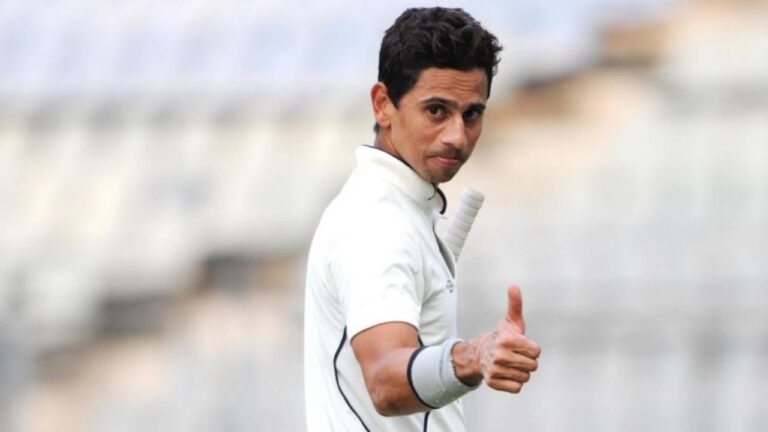
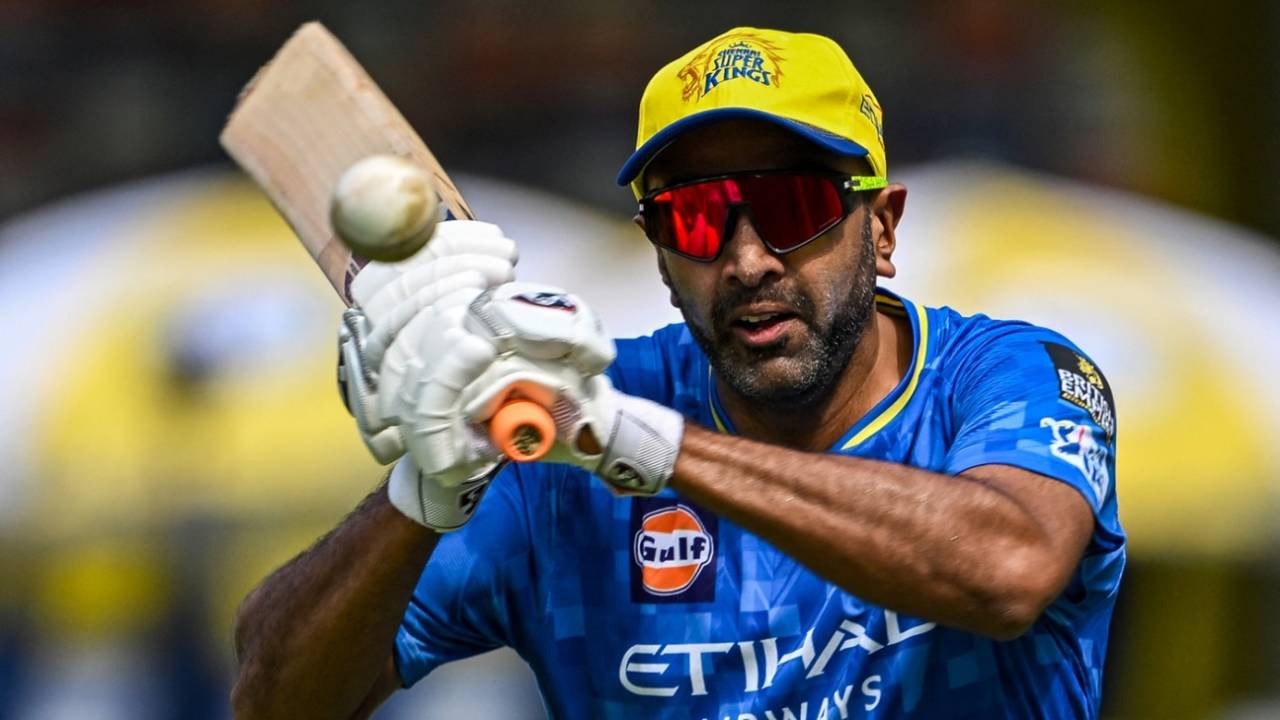
As the cricketing world looks toward the 2028 Los Angeles Olympics, the conversation around the sport’s expansion has intensified. For R Ashwin, the decorated Indian all-rounder, the path to global recognition lies in robust, localized franchise structures. With his recent appointment as captain-cum-mentor of the Dublin Guardians in the European T20 Premier League (ETPL), Ashwin has become a vocal advocate for the league’s mission. He firmly maintains that Ashwin: ETPL crucial in making cricket a global sport, acting as a vital stepping stone for the sport’s Olympic integration.
The Olympic Dream and T20 Viability
Cricket’s inclusion in the LA 2028 Olympics marks its first appearance in the competition since 1900. To capitalize on this, Ashwin argues that the sport must embrace shorter, more accessible formats. According to the veteran, T20 cricket is the primary vehicle for this evolution. ‘If the game has to become global and it has to become an Olympic sport, the shorter the game, the more viable it is,’ he noted. By condensing the format, the sport becomes more digestible for new audiences and logistically feasible for international multi-sport events.
The ETPL, which is set to feature teams playing across Ireland, Scotland, and the Netherlands, serves as a high-level incubator for talent from emerging nations. For Ashwin, the league is not just about competition; it is about providing players from these regions with the necessary exposure to thrive on the world stage.
Empowering Emerging Talent
A central pillar of Ashwin’s involvement with the Dublin Guardians is his commitment to local players. He emphasized that the tournament should focus heavily on the development of Irish, Scottish, and Dutch cricketers. ‘We also believe that we owe it to the Dublin franchise and also, Irish cricket, in many ways—to try and enable them, try and probably provide them with the right amount of exposure and opportunities,’ Ashwin stated. By mentoring these athletes, he hopes to create a sustainable pipeline that allows non-Full Member nations to compete more effectively at the highest levels.
The Necessity of Adaptation
Adaptability remains a recurring theme in Ashwin’s philosophy. Reflecting on the recent T20 series where Ireland secured a 2-0 victory over India in Belfast, Ashwin insisted that the result was a testament to the importance of adjusting to unique environmental conditions. The venues for the ETPL are notoriously challenging, often presenting conditions that differ significantly from those found in the major cricketing powerhouses.
Ashwin dismissed the idea of being surprised by the results, framing them instead as a necessary lesson. ‘The name of the game is adaptation,’ he explained. ‘What happened recently between India and Ireland in that T20 series is a classic example of how conditions can eliminate a lot of aspects of the game that have been developed as a root cause of T20 as a sport.’ This ability to read a pitch and adjust one’s strategy on the fly is precisely the skill set he intends to foster through his mentorship in the ETPL.
The Future of T20 Cricket
While the focus is currently on the success of the ETPL, Ashwin’s comments also touch upon the broader landscape of modern cricket. His skepticism regarding the long-term sustainability of ODI cricket is well-documented, as he views the sport’s future as inextricably linked to the rapid, high-impact nature of the T20 format. For leagues that run throughout the year, T20 provides a better sample size of talent, ensuring that the best players are consistently identified and refined.
As the ETPL prepares to launch, the involvement of high-profile figures like Ashwin serves to elevate the league’s credibility. By combining his tactical acumen with a clear focus on global development, the tournament aims to bridge the gap between niche interest and mainstream Olympic appeal. Whether the ETPL serves as the blueprint for future expansions remains to be seen, but as it stands, it is undeniably a cornerstone of the current strategy to modernize and globalize the sport of cricket.