SLC Relieved at ICC’s Mild Response to Transformation Committee Amidst Governance Changes
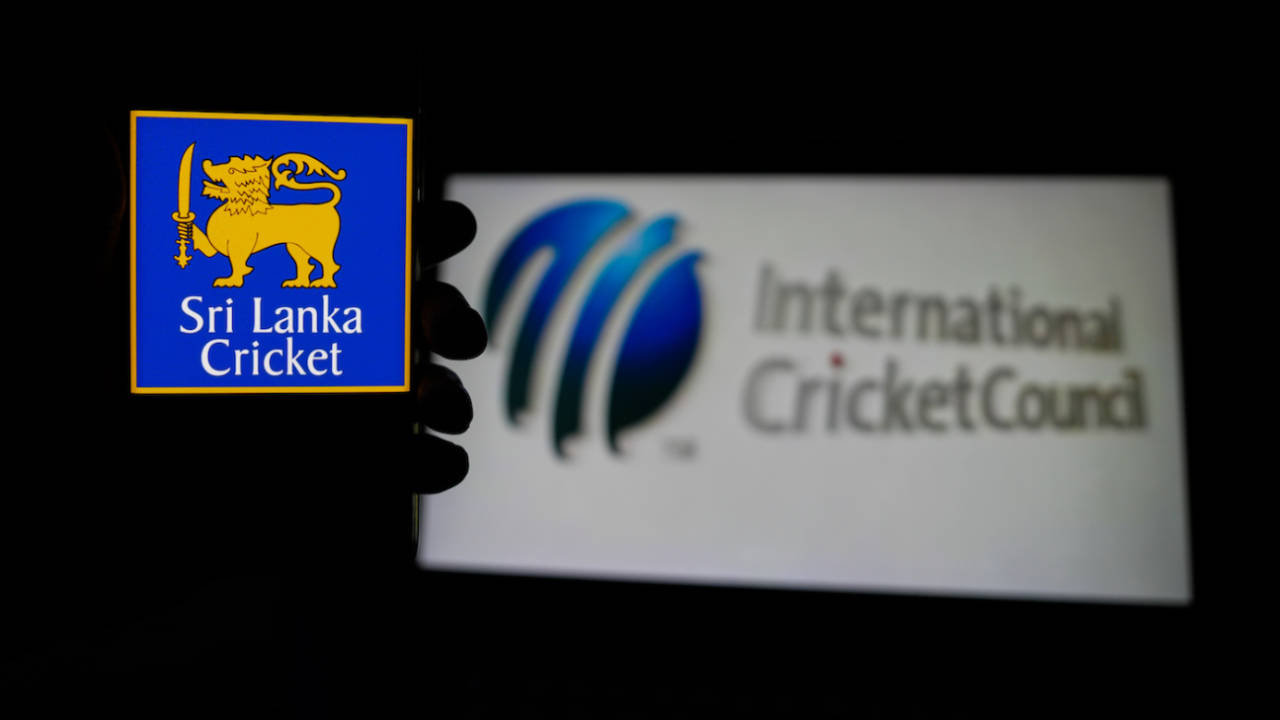
In a development that has brought a quiet sense of relief within Sri Lanka Cricket (SLC) circles, the International Cricket Council (ICC) board concluded its quarterly meeting in Ahmedabad without imposing sanctions on the newly constituted Transformation Committee. While no official representative from SLC was present at the high-level gathering over the weekend, the absence of punitive measures has been interpreted as a positive sign by the new administrative body in Sri Lanka.
The establishment of the Transformation Committee in May by the Sri Lankan government, which effectively replaced the previously elected SLC office-bearers, had raised significant concerns regarding potential government interference. The ICC has historically maintained a stringent stance against such interventions, having previously sanctioned SLC on two separate occasions—in 2015 and more recently in late 2023—for similar reasons. These past instances saw the national board suspended from its global governing body, with the country’s sports minister at the time facing accusations of overreach.
ICC’s Measured Approach: Scrutiny Over Sanctions
The present situation, however, appears to be unfolding differently. Following the appointment of the Transformation Committee, the ICC dispatched its Deputy Chair, Imran Khwaja, on what was widely considered a critical fact-finding mission to Colombo in May. This visit was intended to assess the ongoing developments and understand the rationale behind the sweeping administrative changes. Despite this preliminary scrutiny, the latest ICC meeting has concluded without any declaration of sanctions directly attributed to governmental interference. A member of the Transformation Committee, expressing cautious optimism, remarked, “So far what we feel is that no news is good news.”
This measured response from the ICC contrasts sharply with its previous actions. In late 2023, the global cricketing body had suspended SLC from its board, a direct consequence of perceived government overreach. The current shift in the ICC’s approach—moving from immediate punitive action to a phase of observation and assessment—suggests a nuanced understanding of the unique circumstances surrounding Sri Lankan cricket’s governance. The official ICC statement, brief yet pointed, confirmed this exploratory phase: “In Sri Lanka, ICC Deputy Chair Imran Khwaja and Devajit Saikia (BCCI) have visited and met with relevant stakeholders to assess ongoing developments.” This indicates a period of careful evaluation rather than an outright endorsement or condemnation.
The Mandate of the Transformation Committee: Rewriting the Future
At the heart of the ongoing administrative overhaul is the Transformation Committee, chaired by former politician Eran Wickramaratne. The committee’s stated primary objective is to undertake a comprehensive rewrite of the existing, widely considered outdated, SLC constitution. This ambitious task aims to align the organization more closely with the contemporary requirements and expectations of the Sri Lankan public. Wickramaratne himself has underscored the imperative for change, noting that even non-partisan parliamentary debates have acknowledged the urgent need for reform within Sri Lanka Cricket.
Wickramaratne elaborated on the committee’s philosophy: “The job we have is to change the SLC constitution. The stakeholders in that change are the Sri Lankan people. The people can give their ideas. Other stakeholders can also express their ideas. We thought our first role is to listen to those ideas.” This statement emphasizes a consultative and inclusive approach, signaling a departure from previous administrative styles and an attempt to build consensus around the future direction of cricket in the nation. The focus on public input and stakeholder engagement is crucial for establishing legitimacy and ensuring that the new constitutional framework is robust and reflective of collective aspirations.
Challenges and Opportunities Ahead
The Transformation Committee faces a dual challenge: navigating the intricate political landscape of Sri Lankan sports administration while simultaneously rebuilding trust with the international cricketing community. The ICC’s current mild response, while a temporary reprieve, does not equate to a full endorsement. It provides a critical window for the committee to demonstrate its commitment to good governance, transparency, and the long-term health of Sri Lankan cricket without further external interference. The committee’s ability to effectively rewrite the constitution, garnering support from various stakeholders including former players, clubs, and the broader cricketing public, will be paramount to its success.
Success in this endeavor could pave the way for a more stable and autonomous SLC, one that is less susceptible to political meddling and more focused on the development of the sport. The hope within SLC is that, having demonstrated a clear path towards reform and constitutional alignment, members of the Transformation Committee will eventually be invited to participate in future ICC meetings. Such an invitation would signify a significant step towards full reintegration and renewed international confidence in Sri Lanka’s cricket administration.
As the Transformation Committee embarks on this crucial journey, the world of cricket, and particularly the ICC, will be observing closely. The outcome will not only redefine the future of Sri Lankan cricket but could also set a precedent for how global sporting bodies handle issues of government intervention and administrative reform within their member nations. While ESPNcricinfo has sought official comments from the ICC regarding SLC’s participation in future meetings, a response is still awaited, underscoring the ongoing nature of this delicate situation.