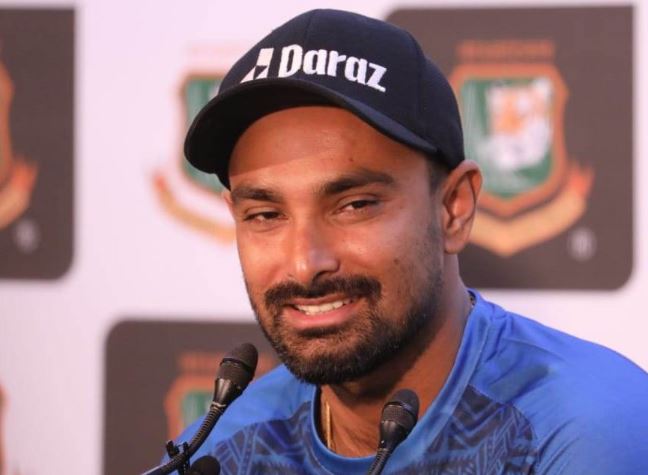
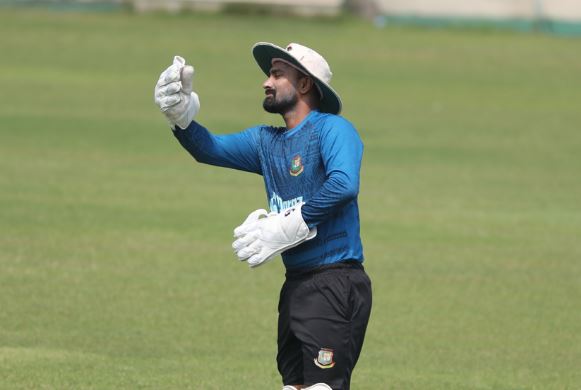
“I’ll try to bowl at 200 km/h” – Shaheen on Nahid Rana comparison


Contents
The Rise of Nahid Rana
Bangladesh’s fast-bowling sensation, Nahid Rana, has rapidly ascended to the global stage, capturing the imagination of cricket enthusiasts with his raw pace and aggressive approach. His recent performances against Pakistan in both Test and ODI formats served as a stark reminder of his ability to trouble even the most established batting lineups. Long before his international breakthrough, Rana’s speed had already turned heads during his stint in the Pakistan Super League (PSL), proving that his talent is not merely a localized phenomenon but one that commands international respect.
A Captain’s Perspective
The sudden emergence of such a high-velocity bowler from the region naturally invited comparisons and questions within Pakistani cricketing circles. Ahead of Pakistan’s high-stakes ODI series against Australia, Pakistan captain and pace spearhead Shaheen Shah Afridi was asked to weigh in on the discourse surrounding the young Bangladeshi pacer. Given Pakistan’s storied legacy of producing legendary fast bowlers like Wasim Akram, Waqar Younis, and Shoaib Akhtar, the spotlight on extreme pace is a familiar territory for the Men in Green.
The Physics of Pace and Fitness
Shaheen’s response to the comparison was both professional and deeply insightful. Rather than shying away from the topic, he acknowledged the physical toll that such blistering speed takes on a human body. “Bangladesh fast bowler Rana has only played seven or eight matches so far. When a machine keeps running over time, it naturally starts to wear down,” Shaheen explained. He emphasized that the longevity of a fast bowler is not defined by a single spell, but by the ability to “reload, refresh, and come back stronger.”
The Pakistani captain further highlighted the necessity of rest and recovery in an era where the international cricket calendar is more demanding than ever. “After taking proper rest, you need to give everything again on the field,” he noted, underscoring the delicate balance between maintaining peak velocity and avoiding burnout.
Managing the Future of Pace
Beyond the physical mechanics, Shaheen shed light on the structural approach Pakistan is taking to preserve its own bowling assets. He stressed that managing fast bowlers across all three formats—Test, ODI, and T20—is a significant priority for the team management. “We are trying to keep ourselves fresh and continue serving Pakistan with skill and commitment,” he said. He further mentioned that the National Cricket Academy is actively collaborating with coaches to implement workload management strategies, ensuring that the bowlers remain effective throughout their careers.
A Moment of Levity
Despite the analytical depth of his commentary, Shaheen maintained his characteristic charm. Recognizing the media’s fascination with speed, he offered a humorous jab at the expectations placed on modern pacers. To the amusement of those present at the press conference, he jokingly promised, “I’ll try to bowl at 200 km/h for you all.” While the remark was clearly in jest, it highlighted the light-hearted relationship the captain enjoys with the media even under the pressure of an upcoming series against a formidable opponent like Australia.
Looking Ahead
As the cricket world watches the progress of talents like Nahid Rana, established stars like Shaheen remain focused on the task at hand. The ODI series between Pakistan and Australia, which begins on May 30 in Lahore, marks a new chapter for the team. With Shaheen set to lead from the front, fans are eager to see if the lessons on management and sustained performance will translate into success on the field. The conversation around Nahid Rana serves as a reminder of the relentless pursuit of speed in cricket, but as Shaheen noted, the true mark of a world-class bowler is the ability to sustain that intensity over a long, illustrious career.