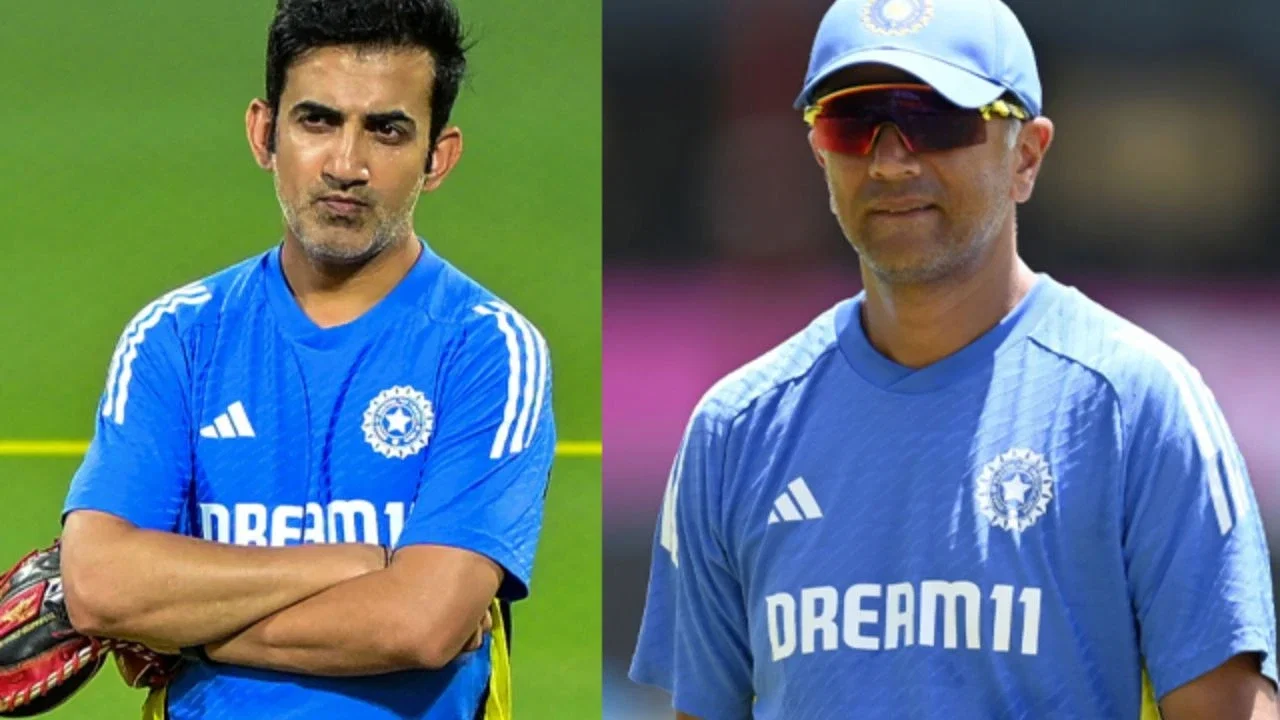
Rahul Dravid Challenges Gambhir’s Superstar Policy Amid India’s Test Struggles

Contents
The Philosophy of Heroes in Modern Cricket
The landscape of Indian cricket is currently navigating a complex period of transition, characterized by both soaring white-ball triumphs and a concerning decline in the longest format of the game. Amidst this backdrop, former head coach Rahul Dravid has shared his candid thoughts on the role of individual superstars, challenging the narrative that an emphasis on team-centric systems should come at the expense of celebrating individual heroes.
Speaking on the Wisden Scoop podcast, Dravid emphasized that the concept of a ‘superstar’ is not a marketing construct but a byproduct of sustained excellence. According to the legendary batter, greatness is earned through performance and the ability to withstand the immense pressure inherent in the Indian cricket ecosystem.
Defining the ‘Superstar’ Culture
Dravid stated, ‘Any sport needs its heroes, and I don’t think people become heroes without performances. You can’t capture the imagination of a nation if you don’t deliver on the field.’ He noted that in a country where players are subjected to extreme scrutiny, becoming a household name is a testament to the fact that a player has consistently helped their team secure victories.
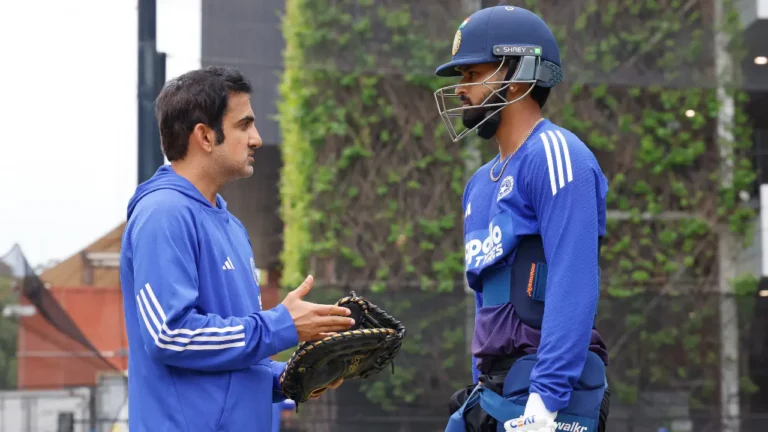
This perspective stands in marked contrast to the approach often associated with the current coaching regime under Gautam Gambhir. While Gambhir has prioritized a collective-focused culture, the results in Test cricket have been starkly unfavorable. Since Gambhir took the helm, India has endured significant home losses, including whitewashes against New Zealand in 2024 and South Africa in 2025.
A Tale of Two Formats
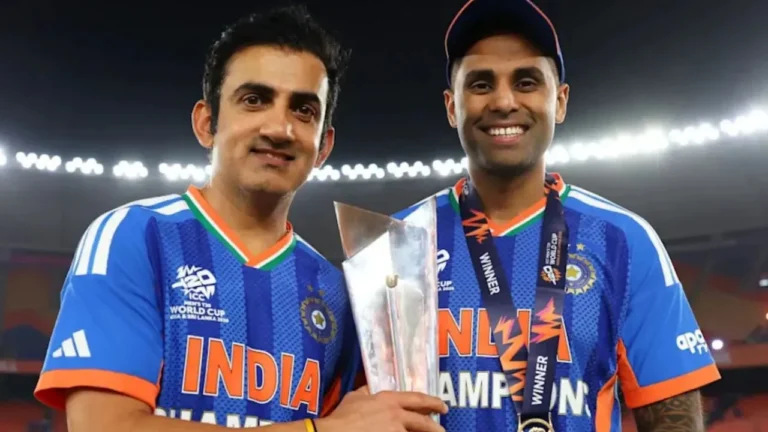
While India has enjoyed remarkable success in white-ball cricket—evidenced by the 2025 Champions Trophy victory and the 2026 ICC T20 World Cup title—the performance in Test matches has raised alarm bells. Once a consistent powerhouse in the World Test Championship (WTC), India failed to qualify for the 2025 final and faces a difficult path to the 2027 cycle.
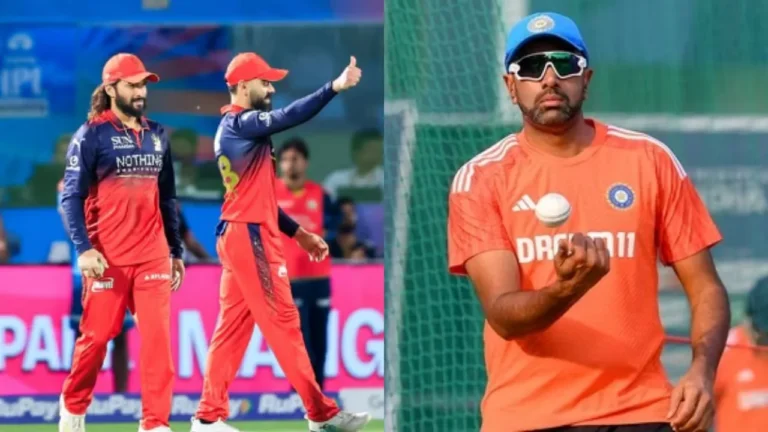
Dravid acknowledged the difficulty of the current phase, noting that the departure of stalwarts like Rohit Sharma, Virat Kohli, and Ravichandran Ashwin has left a void that is not easily filled. ‘It is not easy to replace players like that,’ Dravid admitted, though he maintained optimism about the future competitiveness of the squad.
The Challenges of Modern Scheduling
Beyond the philosophical differences regarding player branding, Dravid highlighted the objective challenges faced by today’s cricketers. He pointed out that the sheer volume of cricket played across formats makes it increasingly difficult for players to maintain the specialized preparation required for Test match success.
‘We effectively had fewer formats,’ Dravid remarked, comparing the modern era to his own playing days. ‘The current players, not because they don’t want to, but because of the volume of cricket, are sometimes unable to find that same balance.’ He suggested that while the passion for red-ball cricket remains deeply embedded in the squad, the logistical reality of the modern calendar limits the time available for proper conditioning and technique refinement.
Looking Ahead: Is an Evolution Necessary?
Dravid believes that the current struggle is part of a natural, albeit painful, evolution. As younger players step up to fill the shoes of the legendary generation, the team is finding its footing. He expressed confidence that the transition will eventually yield positive results, even if the current trajectory in the longest format has been below historical standards.
The debate between prioritizing a system-first approach and relying on the ‘superstar’ culture remains a hot topic in Indian cricket circles. As India continues its search for consistency in Test cricket, the input of figures like Dravid provides a necessary reminder that while teams are built on systems, they are often defined by the legends who rise above them.
In the final analysis, the path forward for Indian cricket likely requires a synthesis of both philosophies: the tactical discipline championed by the current management and the celebration of individual excellence that has historically propelled India to the summit of the game.