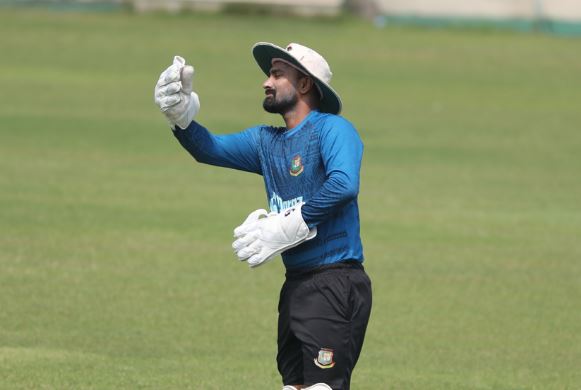
Litton Das Reflects on Mirpur Conditions and ODI Batting Aspirations


Contents
The Challenge of Home Conditions
For years, the Sher-e-Bangla National Cricket Stadium in Mirpur has been a fortress for Bangladesh, but it has often come at a cost for the team’s top-order batters. Bangladesh wicketkeeper-batter Litton Das recently shared his perspective on his career statistics, arguing that his ODI batting average of around 30 does not fully reflect his capabilities. According to Litton, the unique and often unpredictable nature of the Mirpur surface has played a significant role in suppressing the numbers of local batters.
In an era where international cricket often witnesses high-scoring affairs, Mirpur has stood out as a ground where even modest totals like 250 in ODIs or 120 in T20s have proven difficult to chase. Litton believes that context is vital when assessing a player’s performance.
The ‘Mirpur Factor’ in Batting Statistics
Speaking on a recent BCB podcast, Litton was transparent about his current standing. “There’s nothing to be proud of with a 30 average in ODIs. For Bangladesh, maybe it’s not too bad. I won’t say it’s excellent either. Considering the conditions we grew up playing in, it’s acceptable to some extent. If this average came while playing for another country, I would definitely say it’s poor,” he admitted.
The frustration for many players stems from the fact that cold, hard statistics rarely tell the story of the pitch conditions. Litton emphasized that for a long time, the Mirpur surface was tailor-made for bowlers, often becoming a minefield where batters struggled to find any rhythm. He noted that even world-class batters visiting from other nations frequently found themselves bewildered by the track’s behavior. “Bowling there was very easy, batting was extremely difficult. Sometimes even bowlers themselves didn’t know what the ball would do, so how would the batter know?” he questioned.
A Shift Toward Better Surfaces
There is, however, a sense of optimism regarding the future. Litton observes that the pitch preparation at Mirpur has seen a positive evolution in recent times. He believes that providing better batting surfaces is essential for the development of Bangladesh’s cricketing talent. “The wickets have become much better lately. If conditions stay like this for another five or six years, it will help a lot. Earlier, those pitches were enough to damage a batter’s numbers. But people were happy because the team was winning,” he added.
The move toward more balanced wickets is not just about personal glory for the players; it is a strategic necessity for the national team to compete effectively in modern cricket. Litton suggests that if these favorable conditions persist, the collective strike rates and averages of the squad will naturally trend upward.
Personal Goals and Future Aspirations
Despite the challenges faced early in his career, the Bangladesh T20I captain remains focused on personal and team improvement. He acknowledges that while T20 cricket prioritizes impact over traditional averages, the longer formats of Test and ODI cricket still demand technical rigor and consistency.
Litton has set a clear, ambitious long-term goal for his ODI career: to finish with an average between 40 and 45. Having already surpassed the 100-match milestone, he is acutely aware of the work left to be done. “I want to finish my ODI career with an average between 40 and 45. I don’t know how long we’ll keep getting good wickets or how long I’ll continue playing. I’ve already crossed 100 matches, and most of those games were played on very difficult pitches where even 240 or 250 felt challenging.”
Ultimately, Litton’s reflections offer a rare insight into the mental burden that statistical pressure places on professional athletes, especially those playing on surfaces that challenge their technical proficiency. As he continues to lead and contribute, the cricket world will be watching to see if the improvement in pitch conditions allows him to achieve the statistical legacy he envisions.