Cricket Australia Dismisses Staffer Following Conflict of Interest Probe

Contents
Internal Governance Under Scrutiny at Cricket Australia
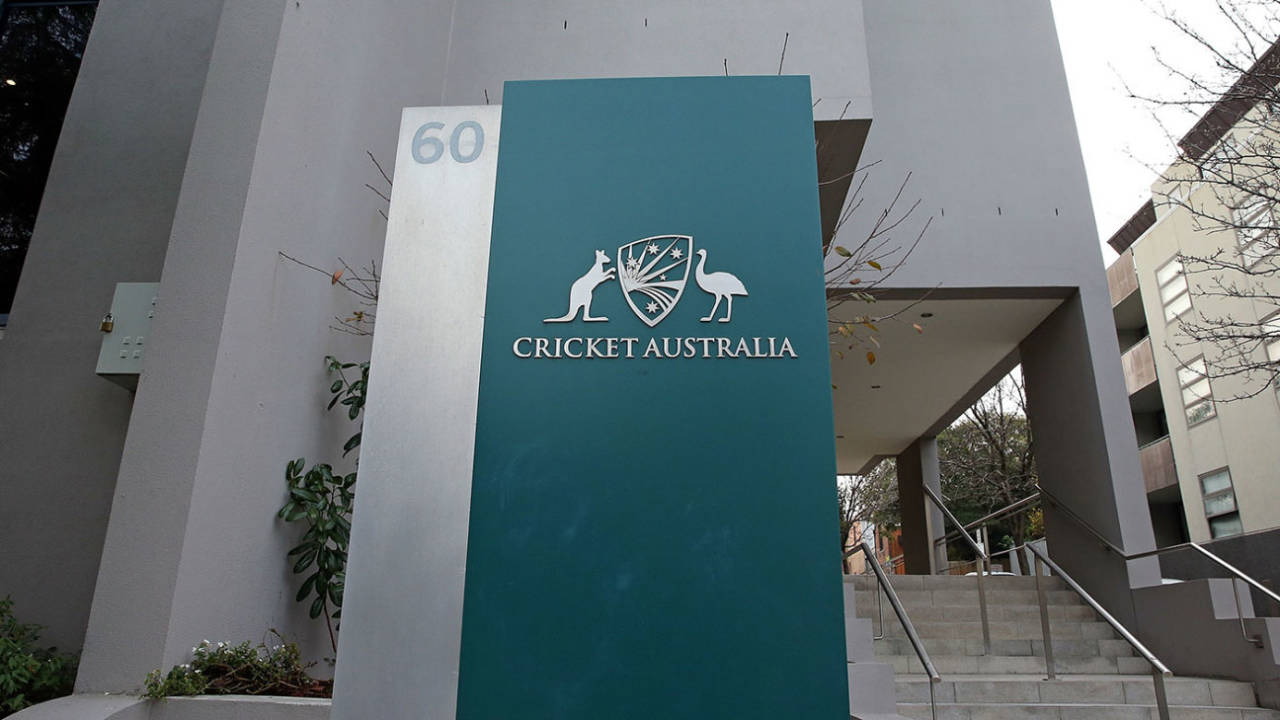
Cricket Australia (CA) has taken decisive action this week, confirming the dismissal of a senior staff member following the conclusion of an independent investigation. The inquiry, prompted by whistleblower allegations, substantiated claims that the employee had commissioned significant contracts to a technology services provider in which they held a direct personal interest. This development marks a challenging chapter for the governing body, which has been navigating a period of intense internal scrutiny.
Whistleblower Allegations and the Investigation
The situation came to light following reports earlier this month detailing concerns regarding procurement integrity at the organization. According to these reports, the staffer had directed work toward a company with which they were directly involved. Cricket Australia acted swiftly by commissioning an independent review of these claims. In a formal statement released on Friday, CA confirmed that the allegation of an undeclared conflict of interest during a procurement process was verified. Consequently, the employment relationship with the staffer has been terminated.
A Backdrop of Financial Uncertainty
This incident is particularly sensitive given the current economic climate at Cricket Australia. The organization has undergone two separate rounds of administrative redundancies over the last 12 months, aimed at cutting costs across various sectors, including high-performance pathways. Despite experiencing a summer of record-breaking crowds during the Border-Gavaskar Trophy, CA posted a loss exceeding A$11 million for the 2024-25 period. Projections indicate a potential deficit of up to A$100 million by 2031, a figure that highlights the urgency behind the board’s efforts to reform its financial model.
The BBL Investment Debate
Central to these financial concerns is the push to introduce private investment into the Big Bash League (BBL). Cricket Australia had proposed selling percentage stakes in the eight BBL clubs to private investors, mirroring the successful model implemented by the England Cricket Board for its ‘The Hundred’ franchises. However, this proposal has faced significant pushback, with New South Wales and Queensland rejecting the initial plan.
New South Wales, in particular, has put forward an alternative proposal to self-fund the BBL. They argue that the financial outlook is not as dire as CA suggests and contend that the organization’s balance sheet can be effectively managed through strategic measures to enhance profitability and player remuneration. Despite these differences, there is a unified concern across the board: the risk of losing top-tier Australian talent to lucrative overseas franchise leagues. Both CA and state stakeholders agree that increasing player payments is essential to maintaining the integrity of Australian cricket.
Moving Toward a Hybrid Model
In response to the deadlock, Cricket Australia is now pursuing a hybrid strategy. This model involves testing the market by seeking private investment for only three clubs: the Melbourne Renegades, Perth Scorchers, and Hobart Hurricanes. While other states, including South Australia, have the option to join this initiative later, the complexity of this approach remains a point of contention. Distributing revenue equitably and managing a league where some teams have private owners while others do not creates significant logistical and governance hurdles that the board must now address.
The Role of the Australian Cricketers’ Association
Adding another layer of complexity to the governance landscape is the Australian Cricketers’ Association (ACA). The association is currently lobbying for a renegotiation of the memorandum of understanding, which is technically active until 2028. The ACA is seeking a larger revenue share—beyond the current 27.5%—to boost player salaries across the board. However, this push for broad-based salary increases faces internal debate, as many players and administrators argue that the focus should instead be on significantly increasing compensation for men’s international cricketers and high-profile BBL stars to ensure the national team’s global competitiveness. As Cricket Australia balances these competing priorities, the need for transparency and robust administrative oversight has never been more critical.