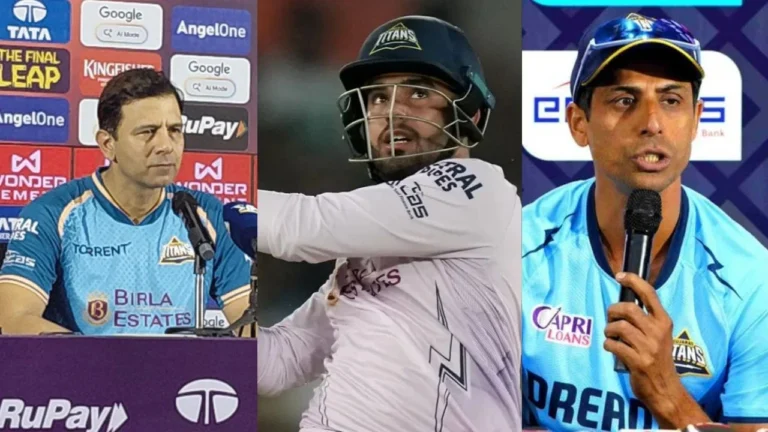
Mohammad Kaif Backs Rishabh Pant After Vice-Captaincy Omission
Contents
The Debate Surrounding Rishabh Pant’s Role
The recent announcement of India’s Test squad for the upcoming one-off match against Afghanistan has sparked significant conversation, primarily centered on the change in leadership hierarchy. While Rishabh Pant remains an integral part of the Test team as a wicketkeeper-batter, he has been relieved of his duties as the vice-captain. In his place, KL Rahul has been named deputy to skipper Shubman Gill. This decision by the Ajit Agarkar-led selection panel caught many by surprise, given Pant’s status as one of the most dynamic and exciting talents in the red-ball game.
Mohammad Kaif’s Stance: A Clear Distinction
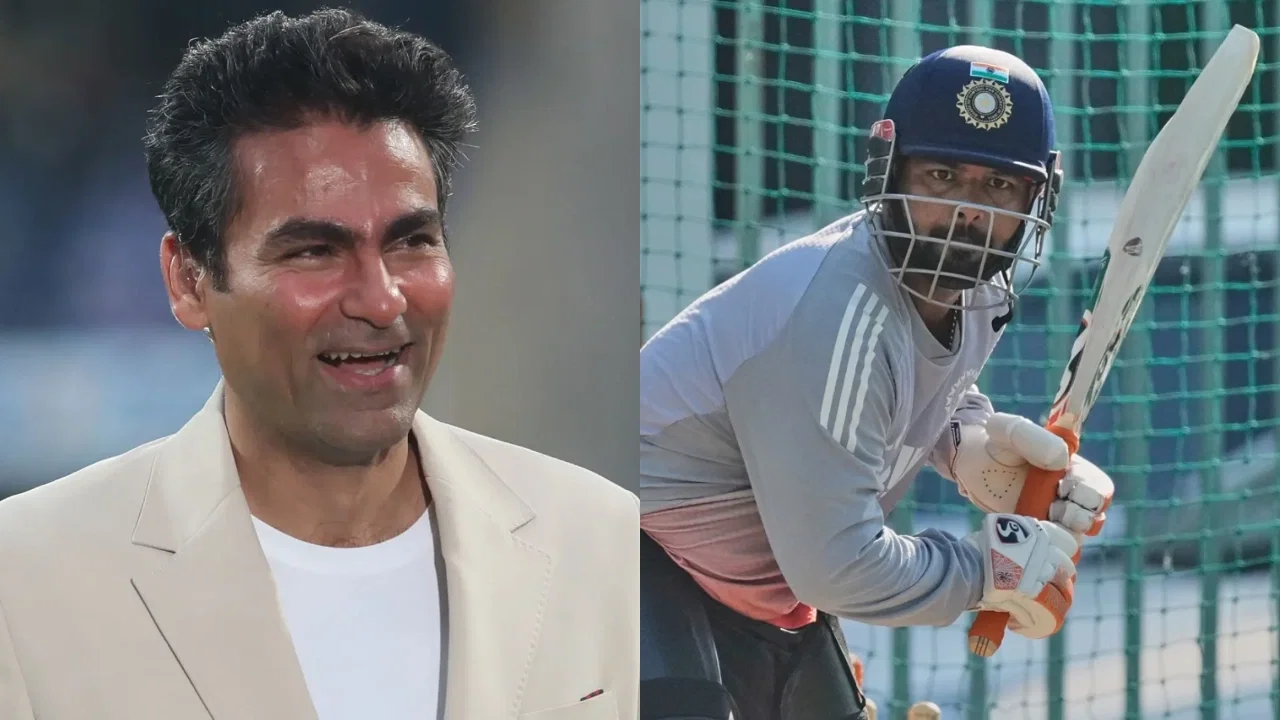
Former Team India cricketer Mohammad Kaif has emerged as a vocal supporter of the left-handed dynamo. Kaif argues that the scrutiny Pant has faced recently, largely stemming from his performance in the Indian Premier League (IPL) with the Lucknow Super Giants, is fundamentally misplaced when evaluating his contributions to Test cricket.
Kaif highlighted the necessity of separating formats, noting that the intensity and requirements of T20 cricket differ vastly from the patience and technique required in the longest format. According to Kaif, judging a player’s ability to win Test matches based on his form in a limited-overs tournament is a flawed approach.
The Case for the Ultimate Match-Winner
Speaking on JioStar, Kaif did not mince words regarding Pant’s value. “Rishabh Pant has done nothing wrong. Test matches, red-ball cricket, and white-ball cricket are completely different formats. You might judge someone based on the IPL—thinking, ‘Yes, he’s not doing a good job, his team is losing, and he isn’t scoring runs himself’—but my personal belief is that, even today, there is no bigger match-winner with the bat in Test match cricket than Rishabh Pant.”
Kaif emphasized that it is far too easy for observers to blur the lines between formats, and this confusion is often what leads to unfair criticism of a player’s standing in the red-ball hierarchy.
A Look at the Numbers
Pant’s credentials in the longest format are backed by an impressive record. Since his Test debut in 2018, the Delhi-born star has featured in 49 matches, accumulating 3,476 runs at a solid average of 42.91. His highest score of an unbeaten 159 stands as a testament to his ability to play long, match-defining innings.
His impact has been felt globally, particularly in difficult overseas conditions. Pant was a mainstay during India’s historic tours of Australia and England. His heroics in England were particularly notable, where he registered two centuries in a single Test match in Leeds. Furthermore, during the 2025 India tour of England, he showcased his consistency by recording three fifty-plus run innings, proving that he is more than just a flair player; he is a structural pillar of the current Indian batting lineup.
Moving Forward
While the vice-captaincy transition signals a shift in the team management’s strategic vision for the future, the consensus among experts like Kaif is that Pant’s role as a game-changer remains undiminished. Whether he wears the vice-captain’s armband or not, his aggressive approach and uncanny ability to turn the tide of a match in a single session make him an irreplaceable asset in the Whites.
As the team prepares for the upcoming challenge against Afghanistan, the focus will likely return to the pitch, where Pant will once again have the opportunity to prove that his instincts and batting prowess are exactly what the team needs to secure victory in the longest format.
Why Format Separation Matters
The transition from the fast-paced IPL to the calculated nature of Test cricket is one of the most difficult challenges for modern cricketers. Players who are accustomed to the “hit out or get out” mentality of T20s must recalibrate their mental approach to survive the moving ball and the strategic traps set by opposing captains in five-day games. Kaif’s defense of Pant serves as a reminder that consistency in one format does not necessarily dictate performance in another, and that player management should be based on specialized strengths rather than recent form in unrelated disciplines.