IPL 2026 Playoffs Behind Closed Doors? Fuel Concerns & Venue Changes

IPL 2026 Playoffs: Economic and Environmental Concerns May Force Drastic Changes
The Indian Premier League (IPL) is known for its glitz, glamour, and packed stadiums, but the 2026 edition of the tournament is currently facing an unexpected hurdle. As the playoff stage draws near, there are growing calls for the Board of Control for Cricket in India (BCCI) to rethink its logistical strategy. The Chamber of Trade and Industry (CTI) has recently approached the Union Sports Ministry with a proposal that could drastically alter the fan experience: conducting the IPL 2026 playoffs behind closed doors and reducing the number of host venues.
Why the Call for Closed-Door Matches?
The primary driver behind this proposal is the volatile geopolitical situation in West Asia, which has contributed to a steady rise in global fuel prices. In India, these rising costs have ripple effects across the economy. CTI chairman Brijesh Goyal has urged Sports Minister Mansukh Mandaviya to consider these measures as a matter of national interest. The organization argues that by limiting the number of venues and restricting crowd attendance, the tournament can significantly lower its overall fuel consumption and carbon footprint.
According to Goyal, the logistics involved in moving teams, support staff, and broadcasting equipment across the vast Indian landscape are immense. “Cutting down on air travel, matches without spectators and at limited venues will save millions of litres of fuel, petrol and diesel and reduce the burden on the country,” Goyal stated. This perspective shifts the focus from sports entertainment to resource conservation during a period of economic sensitivity.
The Massive Fuel Consumption of the IPL
To support its case, the CTI provided startling data regarding the energy requirements of a modern T20 league. The report highlights that the chartered aircraft typically used by IPL franchises—such as the Boeing 737 and Airbus A320—consume between 2,400 and 3,000 liters of aviation turbine fuel (ATF) for every single hour of flight. When scaled across the entire season, the numbers are even more significant.
A single IPL franchise is estimated to use between 50,000 and 70,000 liters of fuel across approximately 10 flights during the season. With ten teams competing, the cumulative fuel usage is substantial. Furthermore, the trade body pointed out that fan movement is a major contributor to the problem. Every IPL match attracts nearly 50,000 spectators. The collective travel of these fans to and from the stadiums puts additional pressure on the nation’s fuel resources on match days.
Historical Precedent: The Pandemic Model
The suggestion of holding matches behind closed doors is not without precedent. During the COVID-19 pandemic, the BCCI successfully managed several seasons by utilizing bio-secure bubbles and limiting the tournament to a handful of venues in specific regions, such as the UAE or specific hubs in India. The CTI chairman referred to these previous seasons to illustrate that the BCCI is more than capable of adapting the tournament structure in response to external crises.
By consolidating the playoff matches into one or two cities, the league could eliminate the need for multiple long-distance flights for teams and officials, thereby meeting the cost-cutting and conservation goals proposed by the trade body.
The Current State of the IPL 2026 Season
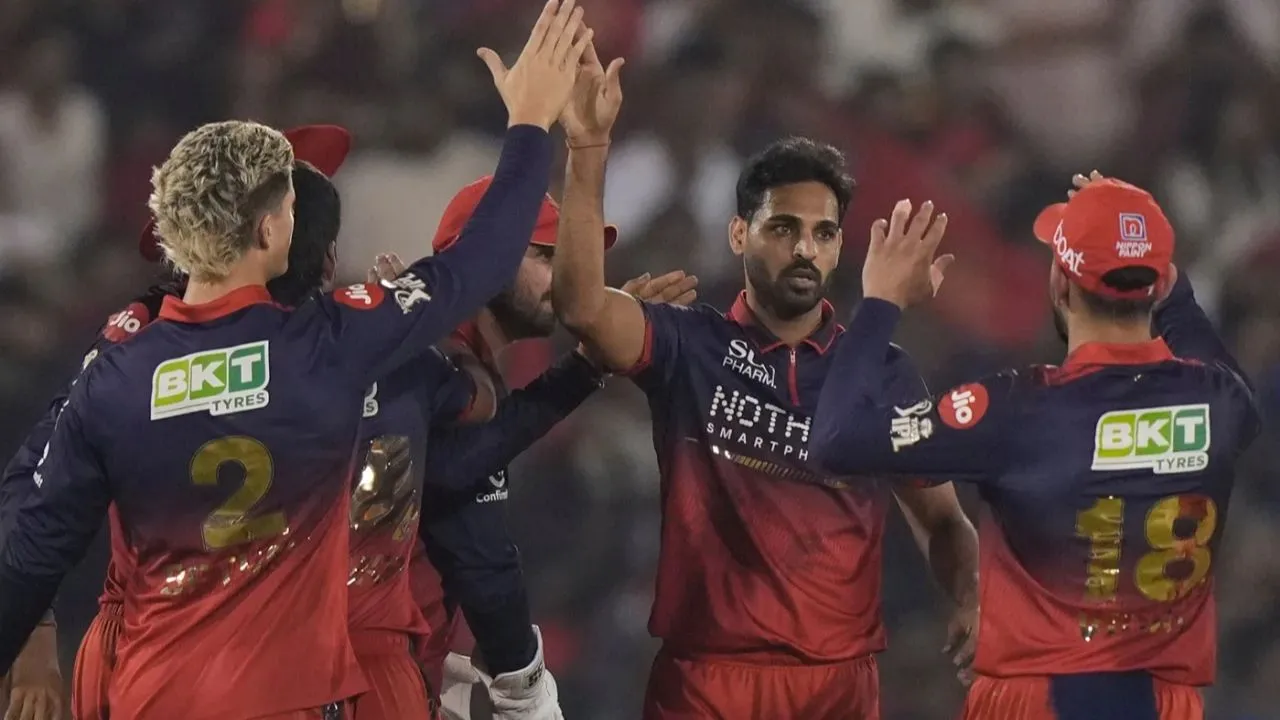
While the off-field discussions continue, the action on the field remains intense. The playoff stage is scheduled to commence on Tuesday, May 26. The defending champions, Royal Challengers Bengaluru (RCB), have already secured their spot in the top four after a dominant victory over the Punjab Kings (PBKS). However, the race for the remaining three spots remains wide open.
Four powerhouse franchises—Gujarat Titans (GT), Sunrisers Hyderabad (SRH), Rajasthan Royals (RR), and Chennai Super Kings (CSK)—are currently locked in a fierce battle to secure their qualification. Any change in venue or the atmosphere of the playoffs could potentially impact the momentum of these teams, especially those who rely heavily on their home crowd support.
BCCI’s Response: Waiting for Government Direction
Despite the pressure from trade organizations, the BCCI is maintaining a cautious stance. IPL Chairman Arun Dhumal has clarified that while the board is aware of independent views, it will only act upon official directives from the Indian government. He emphasized that the BCCI remains accountable to the authorities and will adhere to any guidelines regarding resource management.
“So far, there has not been any communication to the BCCI to my knowledge. Independent agencies might have their views on certain things, but we are accountable to the Government of India. If anything comes from the government, we will look into it and certainly adhere to the directions,” Dhumal told the media.
As of now, the IPL 2026 playoff schedule remains unchanged. The tournament, which began on March 28, continues to move forward as planned, but the board is reportedly monitoring the fuel situation and geopolitical developments closely. Fans will be eagerly waiting to see if they will be allowed to cheer for their teams in person or if they will have to tune in from their homes to see who lifts the trophy this year.