Litton Das Opens Up on Difficult 2023 IPL Stint with KKR
Contents
A Lost Opportunity in the IPL
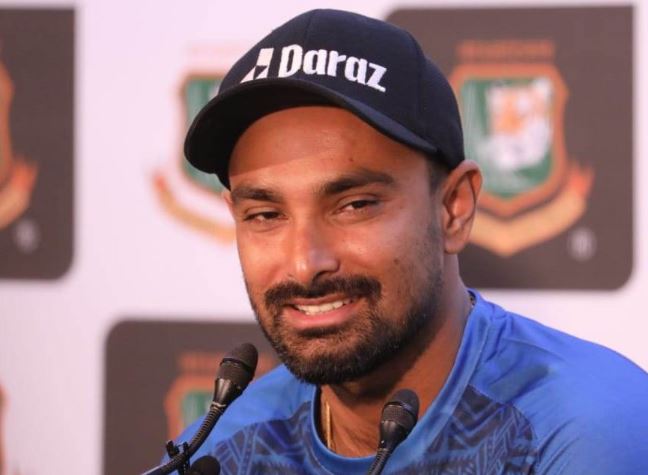
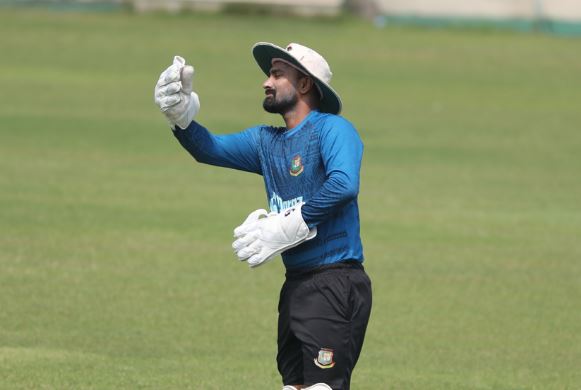
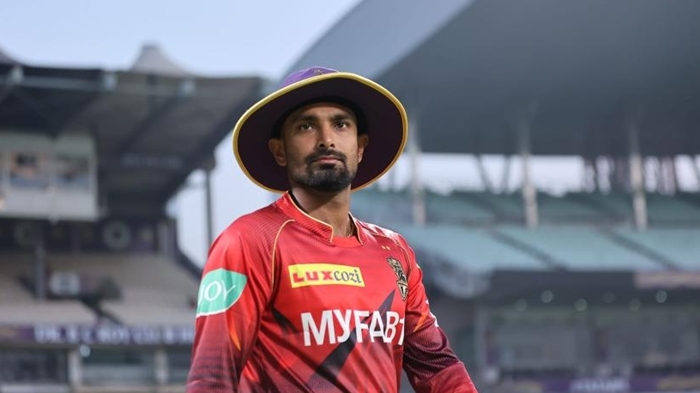
For any cricketer, the Indian Premier League represents the pinnacle of T20 franchise cricket—a global stage where talent meets opportunity. However, for Bangladesh wicketkeeper-batter Litton Das, his 2023 stint with the Kolkata Knight Riders (KKR) remains a chapter defined by uncertainty and professional frustration. Years later, Das has finally opened up about the untold story behind his departure, offering a glimpse into the systemic challenges faced by Bangladeshi players trying to make their mark on the international stage.
The Battle for the NOC
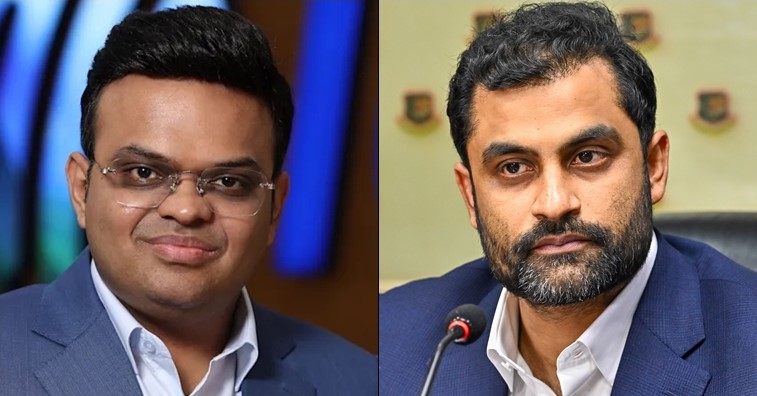
The primary hurdle in Litton Das’s experience was not the quality of the opposition, but rather the administrative friction back home. In a recent appearance on the BCB’s Char-Chokka podcast, Das explained that his desire to compete in the world’s most lucrative league was hampered by the Bangladesh Cricket Board’s (BCB) reluctance to grant a full No Objection Certificate (NOC). He found himself caught between the allure of the IPL and the board’s insistence that he prioritize a Test match against Ireland.
Das recounted the emotional toll of the situation, noting that opportunities in the IPL for Bangladeshi players have been historically scarce. “I suffered because of this situation, so I know how it feels,” he shared. Despite his requests to skip the Test match to gain valuable experience in India, the board remained firm. This lack of full clearance, according to Das, created a ripple effect that ultimately damaged his standing within the KKR camp.
A Feeling of Neglect
Beyond the administrative roadblocks, Litton Das felt a profound sense of isolation once he arrived in the KKR setup. He described his mindset as being compromised before he even touched down in Kolkata, primarily because the constant pressure from the board to return for national duties left him unable to focus on his IPL role. “I don’t think I was prepared for Kolkata. My mindset wasn’t right because I was being held back for the Test series,” he admitted.
The integration process was equally difficult. Das revealed that he felt like an afterthought within the team, receiving little to no communication regarding his potential role. This culminated in a difficult match day experience where he was informed of his inclusion in the starting XI at the eleventh hour. “I sat out for two matches and nobody really discussed anything with me. Then suddenly at 11 PM, I got a message saying I would play,” Das recounted. Under such pressure, the performance that followed was far from what he had hoped to deliver.
The Need for a Growth-Oriented Approach
Reflecting on the careers of Shakib Al Hasan and Mustafizur Rahman, Das emphasized the importance of playing at the highest level. He believes that participating in global leagues like the IPL is essential for the development of Bangladesh’s national team players. He argued that the experience gained in such high-intensity environments translates directly to better performances for the country.
“If Bangladeshi cricketers get opportunities like this, in any league, they should be allowed to play. At the same time, the player must understand that the ultimate goal is still serving the national team and gaining experience for the country,” he noted. Das expressed frustration that, at the time, the focus of the board seemed solely on winning individual matches rather than fostering an environment where players could grow through diverse global experiences.
Moving Forward
Litton Das’s story serves as a poignant reminder of the complexities inherent in modern cricket scheduling. While the IPL offers a platform for unparalleled growth, the bridge between franchise commitments and national duty remains fragile. For Das, the 2023 experience was not just a failure of a single season, but a reflection of the hurdles that continue to exist for athletes navigating the intersection of club loyalty and national pride. His perspective serves as a call to action for better communication and a more supportive framework for players looking to broaden their horizons on the world stage.