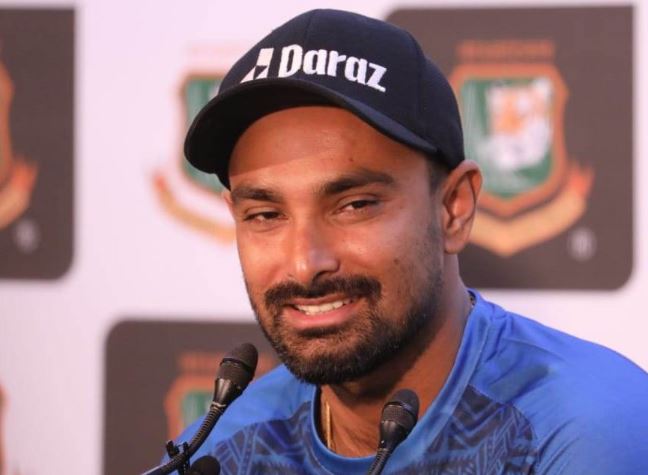
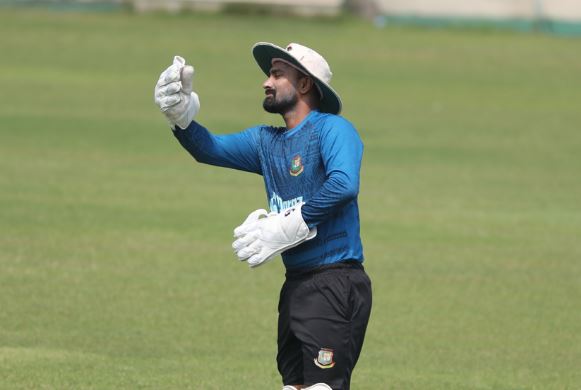
Litton Das Reveals Mindset Behind His Heroic Test Century vs Pakistan


Contents
The Art of Survival: Litton Das and the Tail-Ender Strategy
Test cricket often serves as the ultimate litmus test for a batsman’s temperament, particularly when the top order fails and the burden of the innings falls squarely on one individual. During the Sylhet Test against Pakistan, Litton Das found himself in exactly this position. Walking out to bat with his team in dire straits at 126 for 6, Das produced an unbeaten 126-run innings that did more than just pad his personal record—it single-handedly rescued Bangladesh from a potential collapse.
The Unique Challenge of Batting with the Tail
For Litton Das, the role of a number six batsman is vastly different depending on the partner at the other end. When batting alongside established players like Mushfiqur Rahim or Mehidy Hasan Miraz, the rhythm of the game is organic; singles flow easily, and the pressure is shared. However, the dynamics shift dramatically when the tail-enders arrive.
Reflecting on his innings, Das admitted, “When you have proper batters with you, your mindset is different. You know singles will come easily. But with the tail, it’s not like that – they don’t get many chances to face balls.” This reality forced Das to adopt a protective approach, prioritizing his own strike rotation and shielding his partners from the relentless Pakistani pace attack.
Tactical Awareness Under Pressure
The success of the innings was not accidental; it was a product of meticulous tactical planning. Throughout the day, Das encouraged his partners—Taijul Islam, Taskin Ahmed, and Shoriful Islam—to simply hold their ground. While he played the bulk of the deliveries, the contribution of the tail-enders was pivotal. Taijul faced 40 balls, while Shoriful added a crucial 30 deliveries to the cause. By staying at the crease, they allowed Das to find his rhythm.
Das emphasized the importance of this partnership, noting, “As a batter, it is my responsibility to score runs. But if they stay longer, my job becomes easier.” He even shared a lighthearted but pragmatic insight into his strategy: avoiding giving the tail-enders too much strike, as he once experienced a dismissal immediately after passing the baton. His goal was simple: face the vast majority of the balls and limit his partners to only one or two deliveries per over.
Handling the Nerves of a Century
Reaching the century mark is a monumental achievement in any format, but doing so while shielding the tail adds a layer of immense psychological pressure. Das revealed he was particularly tense while hovering on 99. The fear of losing momentum or seeing a partner get dismissed at the crucial threshold was real. He recalled constantly guiding Shoriful on technique, urging him to play forward to avoid the dangers of back-of-a-length deliveries.
Contrary to popular belief, Das was not chasing personal milestones. “My target was to see how the runs come. When Taijul came in, we were 116 on the board. My focus was how to take the team to 200,” he stated. His focus remained entirely on the team’s total, treating the century as a byproduct of a job well done rather than a primary objective.
Drawing Parallels to Past Performances
This was not the first time Litton Das has stood tall under pressure. He drew striking parallels between his recent performance and his previous heroics in Rawalpindi, where he partnered with Mehidy Hasan Miraz to stabilize the team from 26 for 6. He also reflected on a previous high-pressure century against Sri Lanka.
However, he clarified that each century carries a different weight. While the Sri Lanka knock was bolstered by Mushfiqur Rahim’s presence, the Rawalpindi and Sylhet innings were defined by solitary persistence and calculated aggression. “In Rawalpindi, I had Miraz. Today was completely different. When I was on 2-3 runs, Taijul came in. You can’t plan a century,” he concluded.
Litton Das’s century serves as a masterclass in adaptability. By balancing individual aggression with a team-first protective strategy, he proved why he remains one of the most vital components of the Bangladesh lineup, capable of turning a dire situation into a statement of intent.