Punjab Kings in Crisis: Brad Haddin Issues Wake-up Call to Shreyas Iyer and Squad
Contents
A Season of Two Halves: The Punjab Kings Collapse
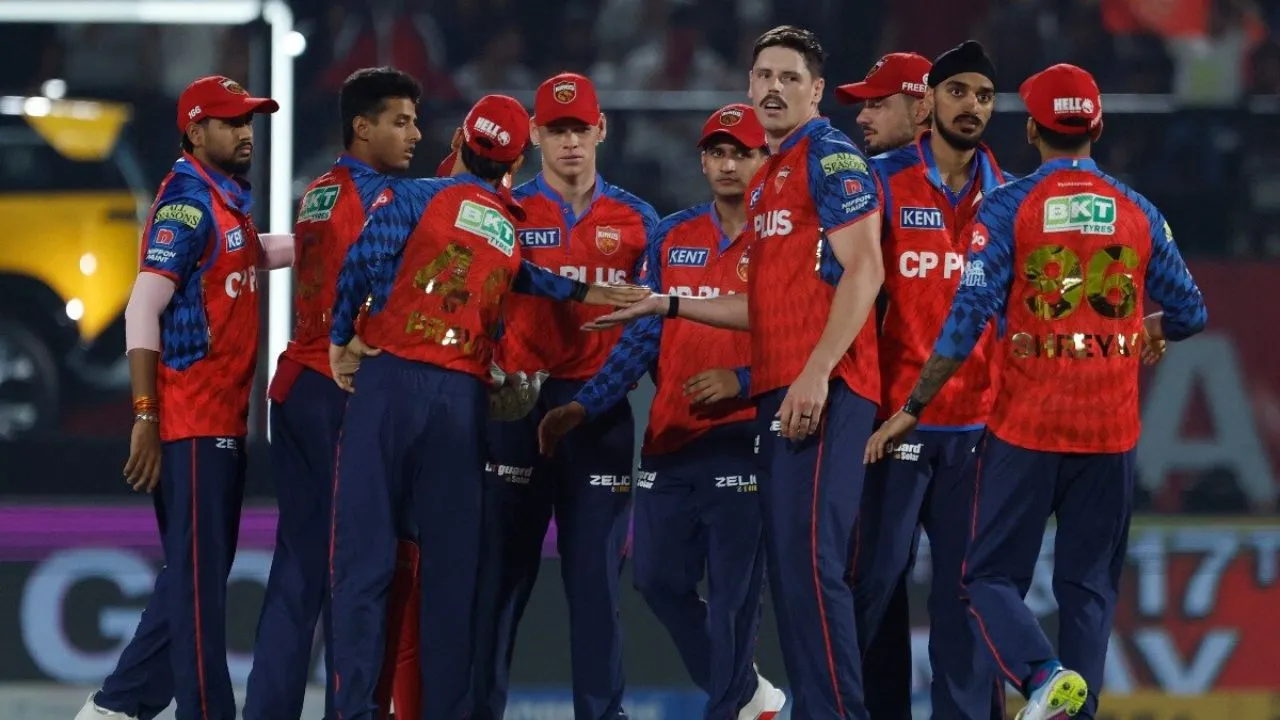
The 2026 Indian Premier League (IPL) season has been a rollercoaster for the Punjab Kings. After dominating the early stages of the tournament—remaining unbeaten for their first seven games with six victories and a solitary draw—the franchise has witnessed a startling regression. The recent five-match losing streak, culminating in a disheartening defeat to the Mumbai Indians at the Himachal Pradesh Cricket Association Stadium, has left the team fighting for its very existence in the competition.
Brad Haddin’s Hard Truth
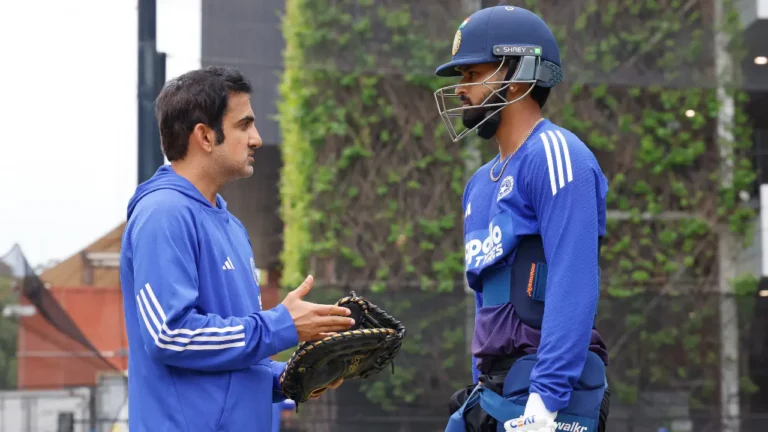
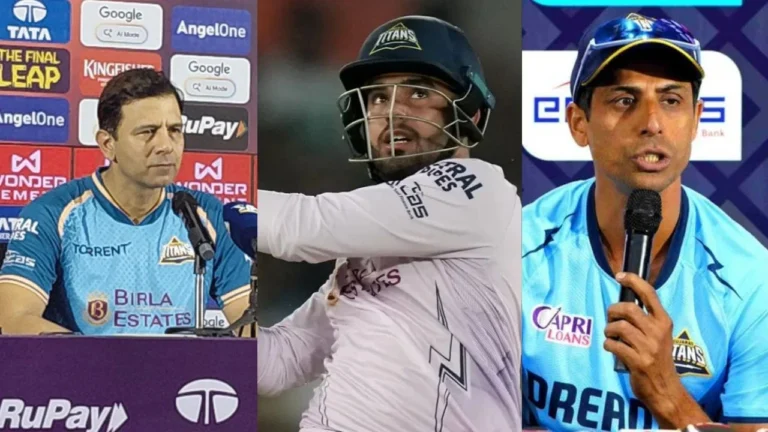
In the aftermath of the Dharamsala encounter, assistant coach Brad Haddin did not mince words. Addressing the media, the former Australian international provided a stark assessment of the current situation. For Haddin, the time for excuses has passed; the focus must now shift entirely to the remaining two fixtures of the league stage.
“We’ve still got two games to go. And the one thing is that destiny is still in our hands. We have to find a way. And now, there’s no tomorrow,” Haddin declared. His message to Shreyas Iyer and the rest of the dressing room was clear: the team must perform under immense pressure to keep their qualification dreams alive. The coaching staff is clearly frustrated, noting that the disappointment felt by the players is matched by the gravity of their current standing.
The Challenge of Pressure in the IPL
One of the recurring themes in Haddin’s critique is the team’s inability to handle critical junctures in matches. While the Punjab Kings looked like title contenders in the first half of the season, their recent performances suggest a team struggling to cope with the intensity of high-stakes cricket. Haddin emphasized that handling these “big moments” is the defining characteristic of a successful IPL side.
“I think the whole tournament, it’s pressure the whole time. And especially this stage where we’re at the tournament, this is what IPL cricket is about. You’ve got to be able to handle the big moments. We just haven’t been able to handle the pressure in the last few defeats,” Haddin explained. He urged the players to stop fixating on the outcomes and instead focus on being fully present and involved in the game-play.
Ignoring the Noise
Social media scrutiny is an inescapable reality for modern athletes, but Haddin is keen to insulate the players from the negativity surrounding their recent form. While public sentiment has turned against the franchise following their collapse, the assistant coach insists that the atmosphere within the dressing room remains professional and concentrated.
“The dressing room has been good. I’m not up with social media, so I don’t know really what the situation is there. But from inside the camp, we’ve just got to find a way to win a cricket game,” Haddin said. He reminded the squad that dealing with external criticism is part and parcel of being a professional athlete. According to Haddin, the only way to silence the critics is to ensure the players are in the right mental state to execute their plans once they cross the boundary ropes.
The Road Ahead: Must-Win Encounters
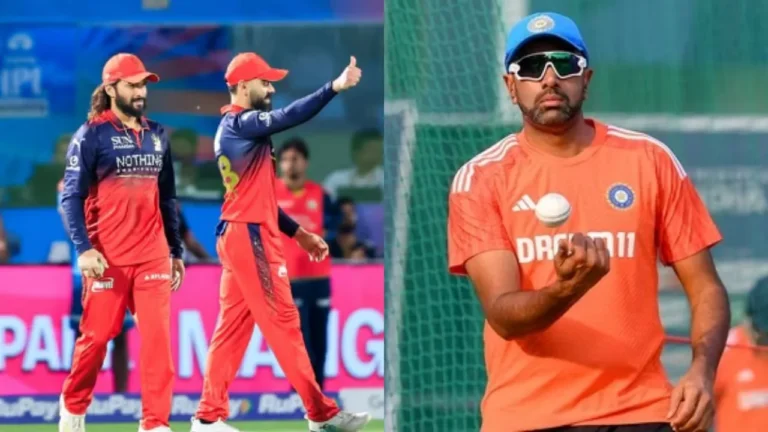
The road to the playoffs is narrow, and the Punjab Kings now face a rigorous test of character. With a high-stakes match against the Royal Challengers Bengaluru (RCB) looming on Sunday, Shreyas Iyer and his team have no margin for error. The once-dominant side now requires back-to-back victories to even be considered for the playoff bracket.
As the tournament reaches its business end, the management is looking for a quick turnaround. The team that dazzled early in the season must rediscover its composure and tactical discipline immediately. Whether Shreyas Iyer can rally his troops to overcome this significant psychological and performance hurdle remains the biggest question of the IPL 2026 season. For the fans, the final two games will be a definitive litmus test of whether this squad can handle the furnace of the playoffs or if their season will be remembered as a case of ‘what could have been.'”