IPL 2026: Why Fielding Lapses and Dropped Catches Are Defining the Season

Contents
The Unseen Architect of IPL 2026 Results
In the high-octane world of the Indian Premier League, the spotlight is almost always reserved for the massive sixes and the tactical brilliance of death-over bowling. However, IPL 2026 is revealing a different, more subtle truth: the tournament is being defined by the margins in the field. Fielding, once considered a secondary skill, has emerged as the decisive factor between playoff contenders and bottom-table strugglers.
The Cost of a Dropped Opportunity
Dropped catches are no longer just statistics; they are momentum-shifting events. In an era where 200+ totals are becoming the norm, a single missed chance can inflate a target by 30 to 40 runs. This puts an immense psychological burden on the bowling unit, forcing them to deviate from their plans in a desperate search for wickets.
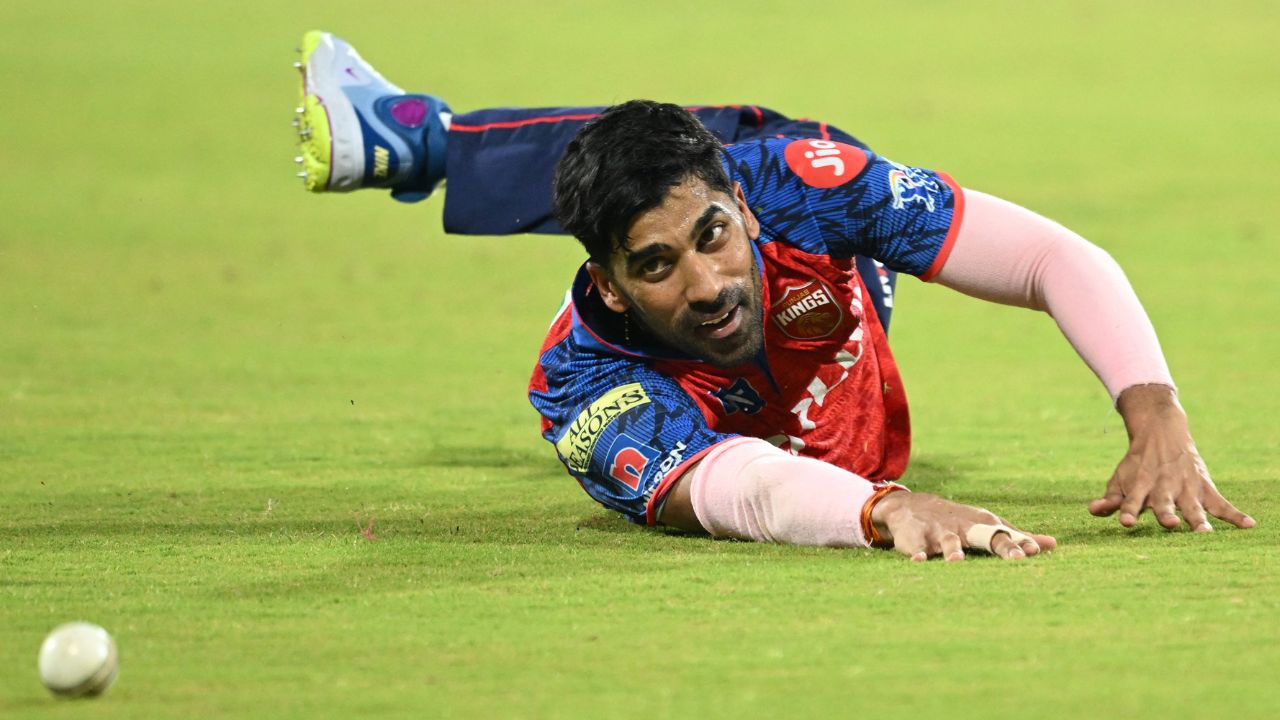
A prime example of this trend is the recent struggle of the Punjab Kings. Shashank Singh, often a reliable figure, has found himself at the center of a difficult conversation regarding consistency. His high-profile drop of Heinrich Klaasen during the SRH versus PBKS clash was a masterclass in how a single lapse can dismantle a game plan. Following the reprieve, Klaasen accelerated to a commanding 69 off 43 balls, dragging his side to 235—a score that effectively shut Punjab out of the contest.
However, it is vital to note that this is not an isolated incident for the Kings. With teammates like Cooper Connolly and Lockie Ferguson also showing vulnerability in the field, the team’s overall catching efficiency has plummeted to 73.6 percent—the second-lowest in the league. This directly correlates to their struggling wicket-taking ability, with the team averaging a wicket only every 25 balls.
Decoding Catching Efficiency Across the League
When we look at the data, the correlation between safe hands and league position is striking. Teams like the Kolkata Knight Riders are leading the charge with an impressive 88.6 percent catching efficiency, matched by their ability to strike every 17.5 balls. This level of defensive discipline provides a safety net for their bowlers, allowing them to attack with confidence.
- KKR (88.6%): Setting the gold standard for fielding and wicket-taking.
- Rajasthan Royals (87.2%): Maintaining their position in the top four through reliable catching.
- RCB (85.7%): Showing that sustained intensity in the field pays dividends in the points table.
- Delhi Capitals (64.5%): Currently struggling at the bottom, mirroring their poor efficiency metrics.
The gap between the top and bottom sides is stark. While teams like the Lucknow Super Giants have faced batting issues, their respectable catching numbers have kept them competitive. Conversely, the inconsistency shown by Mumbai Indians and CSK highlights that even giants can stumble when their defensive standards slip.
Individual Brilliance versus Systemic Failure
The leaderboard for most catches in the tournament offers a fascinating juxtaposition. It is currently dominated by wicketkeepers like Jos Buttler and Dhruv Jurel, who have secured 14 catches each. Their success is a product of both natural talent and the unique demands of their position, which requires unwavering focus over every single delivery.
Outfielders like Dewald Brevis, with 11 catches, and Heinrich Klaasen and Devdutt Padikkal, with 10 each, prove that individual brilliance still exists. Yet, these sparks of quality often mask broader team-level issues. The disparity between an elite fielder and a team with a low catching percentage is the difference between a champion and a pretender.
Final Thoughts: The Road to the Playoffs
As IPL 2026 approaches its business end, the teams that prioritize the ‘basics’—catching, ground fielding, and pressure management—will likely be the ones lifting the trophy. For teams like Punjab Kings and Delhi Capitals, the message is clear: if they cannot secure the simple chances, their path to the playoffs will remain narrow, regardless of their batting depth. The league has evolved, and in 2026, the most dangerous weapon on the field isn’t always the bat—it’s the hands that refuse to let a catch go down.