Why does Mehidy Hasan Miraz cover betting logo on LPL jersey? An In-depth Look
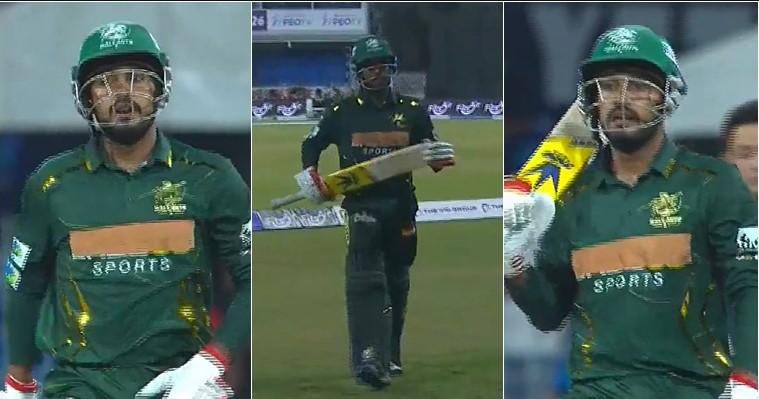
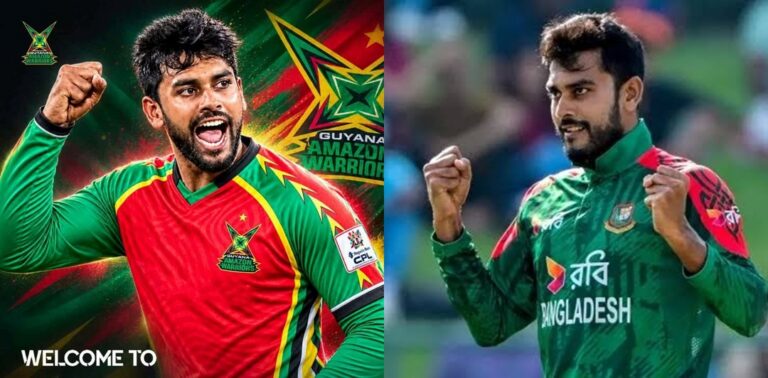
During his highly anticipated Lanka Premier League (LPL) debut for Galle Marvels, Bangladesh’s prominent ODI captain, Mehidy Hasan Miraz, drew significant attention not for his on-field performance with the bat, but for a striking gesture. Before taking to the field, Miraz was observed covering the logo of a betting sponsor on his jersey. This deliberate action by the popular all-rounder immediately prompted discussions among fans and pundits alike, highlighting a deeper conversation about personal ethics, religious beliefs, and the increasingly complex landscape of sports sponsorships.
Contents
The Shifting Sands of Cricket Sponsorships: Betting and Beyond
The relationship between cricket’s governing bodies and betting companies has undergone considerable transformation over recent years. Historically, the International Cricket Council (ICC) maintained a staunch opposition to the promotion of betting enterprises. This stance was rooted in concerns about integrity, potential match-fixing, and the moral implications of associating the sport with gambling.
However, a significant policy shift occurred in 2023. The ICC lifted its long-standing restriction, effectively opening the doors for betting-related sponsors to feature prominently in both bilateral international series and various franchise tournaments across the globe. This change reflected a broader trend in global sports, where commercial pressures and the widespread legalization of sports betting in many regions have led to a re-evaluation of previous prohibitions.
Bangladesh’s Unwavering Position
Despite the ICC’s revised guidelines, the Bangladesh Cricket Board (BCB) has consistently maintained a distinct and firm position. The BCB has never officially accepted or endorsed betting companies as sponsors for its teams or tournaments. This policy is deeply ingrained in cultural and ethical considerations prevalent within Bangladesh, where gambling often carries significant social and religious taboos. The BCB’s stance reflects a commitment to upholding these values, distinguishing itself from many other cricket boards that have embraced betting partnerships.
Mehidy Hasan Miraz: A Stand Rooted in Personal Conviction
The jersey worn by players for Galle Marvels (formerly Galle Gallants) prominently features the logo of a surrogate company, which is directly linked to a betting brand. For Mehidy Hasan Miraz, this association presented a clear conflict with his personal principles. Miraz is widely known and respected for his devout practice of his faith, which strongly discourages involvement with gambling and related enterprises.
His decision to cover the logo with tape before stepping onto the field was not a casual act but a deeply personal statement. It underscored his unwavering commitment to his religious and moral beliefs, demonstrating that for him, personal values supersede commercial obligations, even on an international sporting stage. This act, performed in his very first LPL match, sent an unmistakable message: regardless of the league, the country, or the commercial agreements in place, Miraz intends to remain true to his core values.
A Global Perspective: Caution Amidst Commercialism
Bangladesh is not an isolated case in its cautious approach towards betting sponsorships. Several other cricketing nations and sports organizations worldwide have also maintained a deliberate distance from such partnerships. Countries like England, for example, have experienced ongoing debates and regulatory scrutiny regarding the pervasive presence of betting sponsors in sports, reflecting a growing awareness of the potential societal impacts.
The actions of athletes like Miraz, combined with the policies of boards like the BCB, highlight the ongoing tension between the financial imperatives of professional sports and the ethical considerations that arise from certain types of sponsorships. It forces a discussion on the responsibility of sports bodies and individual athletes to consider the broader implications of their associations.
Fan Reception and the Enduring Message
Mehidy Hasan Miraz’s principled stand has resonated deeply with many fans, particularly those who share similar ethical or religious convictions. His decision garnered widespread praise for its integrity and the perceived courage to uphold personal values in a highly commercialized environment. In an era where athletes are increasingly scrutinized for their endorsements and public image, Miraz’s action stands as a powerful example of authenticity and commitment to one’s beliefs.
His gesture serves as a reminder that professional athletes are not merely performers but also individuals with personal convictions. It prompts a critical reflection on how sports organizations navigate the complex interplay of commercial interests, player autonomy, and public perception, ensuring that the spirit of the game remains aligned with ethical responsibility.