Why Cricket Was Left Out Of The Glasgow 2026 Commonwealth Games

Contents
The Evolution of Cricket in the Commonwealth Games
Cricket has enjoyed a short yet memorable journey within the Commonwealth Games. While the sport has not been a permanent fixture, its limited appearances have consistently provided fans with high-stakes action and unforgettable moments. From the tropical humidity of Kuala Lumpur to the vibrant atmosphere of Birmingham, cricket has proven its ability to captivate audiences on a multi-sport stage.
Credits: X.com
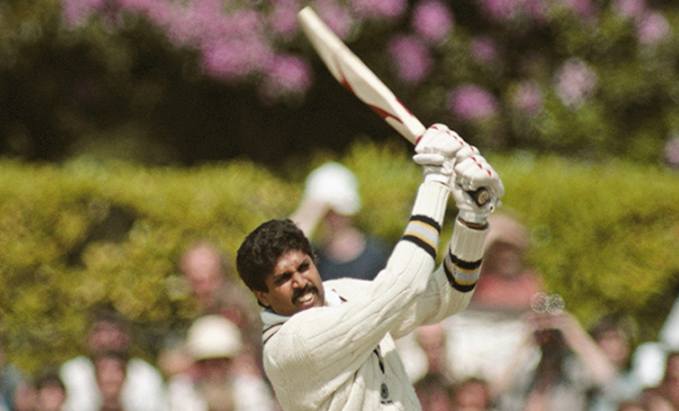
The debut occurred in 1998 in Kuala Lumpur, where organizers introduced men’s ODI matches. The inaugural event featured 16 teams, though the format was unconventional compared to traditional international tours. Notably, the West Indies did not compete as a unified side; instead, Antigua and Barbuda, Barbados, and Jamaica participated as independent teams. Furthermore, India opted to send a secondary squad rather than their primary national team, highlighting the unique nature of the tournament’s inception.
South Africa emerged as the first-ever cricket gold medalists, captained by Shaun Pollock. They secured their place in history by defeating a formidable Australian team in the final, while New Zealand clinched the bronze after an intense battle against Sri Lanka.
A Long Hiatus and a T20 Resurgence
After the 1998 event, cricket faced a long wait before returning to the Commonwealth fold. The sport finally made its comeback at the Birmingham 2022 Games, marking a shift toward the T20 format with a focus on women’s cricket. With only eight teams participating, the competition was fierce and focused, culminating in an Australian gold medal victory led by Meg Lanning. India took home the silver, and New Zealand earned the bronze, proving that the T20 format was a perfect fit for the multisport environment.
Why Cricket Was Left Out Of The Glasgow 2026 Commonwealth Games
Despite the success of the women’s T20 tournament in Birmingham, the sport will not be featured in the Glasgow 2026 Commonwealth Games. This development has understandably disappointed many fans who hoped to see the momentum continue. The primary catalyst for this exclusion is rooted in significant financial challenges.
The situation became precarious when Victoria, the original host of the 2026 Games, withdrew from its commitment. This unexpected change forced organizers to scramble for a new solution, eventually leading to Glasgow stepping in as the host. To ensure the financial viability of the event, organizers were forced to make drastic cuts to the sports programme to manage costs effectively. Consequently, nine sports from the Birmingham 2022 list were removed to streamline the event.
A Slimmer Programme
The reduction in the number of sports is profound. Along with cricket, other popular events including badminton, hockey, squash, table tennis, wrestling, rugby sevens, beach volleyball, and triathlon were excluded from the programme. The Glasgow 2026 Games will now focus on 10 core sports: athletics, swimming, boxing, judo, weightlifting, netball, track cycling, artistic gymnastics, lawn bowls, and 3×3 basketball.
While this decision is necessary for the event’s survival, the absence of cricket is a missed opportunity for the sport to expand its reach. The Commonwealth Games provided a unique platform for emerging teams to gain vital international experience and for the sport to be introduced to new demographics.
The Future of International Cricket
Although the news regarding Glasgow is discouraging, the broader horizon for cricket remains exceptionally bright. The sport is currently preparing for a massive return to the Olympic stage. Cricket has officially been confirmed for the 2028 Los Angeles Olympics, marking the first time the sport will be played at the Games in 128 years. Featuring both men’s and women’s T20 tournaments, the Olympic inclusion represents a monumental milestone for the sport’s global expansion.
While fans will undoubtedly miss the spectacle of cricket in Glasgow, the upcoming Olympic cycle offers a much larger global platform. Nonetheless, the conversation surrounding why the Commonwealth Games opted to cut the sport highlights the ongoing tension between tradition and the economic realities of hosting large-scale international sporting events.