Contents
A Tactical Shift That Redefined Australian Cricket
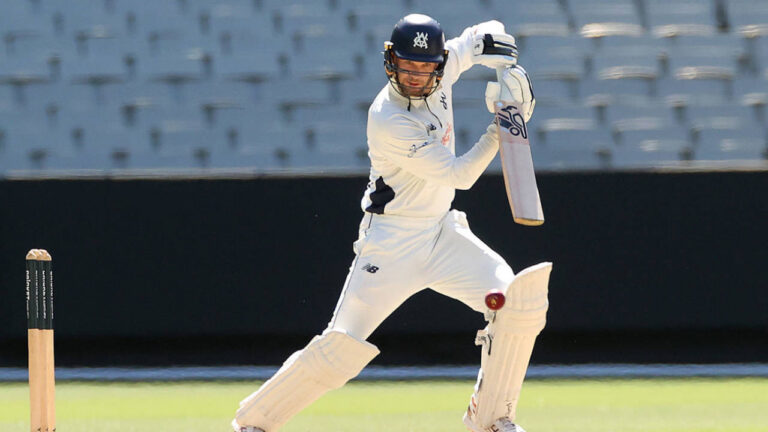
The decision to promote Travis Head to the top of the order for the second innings in Perth last November was a move that shifted the momentum of an entire Ashes series. What began as a strategic adjustment due to the injury of Usman Khawaja blossomed into a sustained period of dominance. Despite accumulating over 600 runs against England and securing a second consecutive Allan Border Medal, Head remains characteristically humble and grounded about his newfound position.
Defining the Role Beyond Tradition
Head, who has been a mainstay in Australia’s white-ball setups for years, acknowledges his unconventional path to the Test opening role. With over 170 first-class appearances under his belt, his experience opening the batting in the longest format remains relatively limited. Head ‘not a true opening batter’ but happy to ride the wave is a sentiment he shares with a refreshing level of honesty, noting that he does not fit the mold of a player who has spent a career rising through the ranks specifically as a specialist opener.
“I think it would suggest that I’m not an opening batter, a true opening batter, in terms of what Australian cricket is known for,” Head reflected. “Guys that have come through the grades opening the batting and played state cricket opening batting, and played Test cricket as opening batters.”
Embracing the Challenge
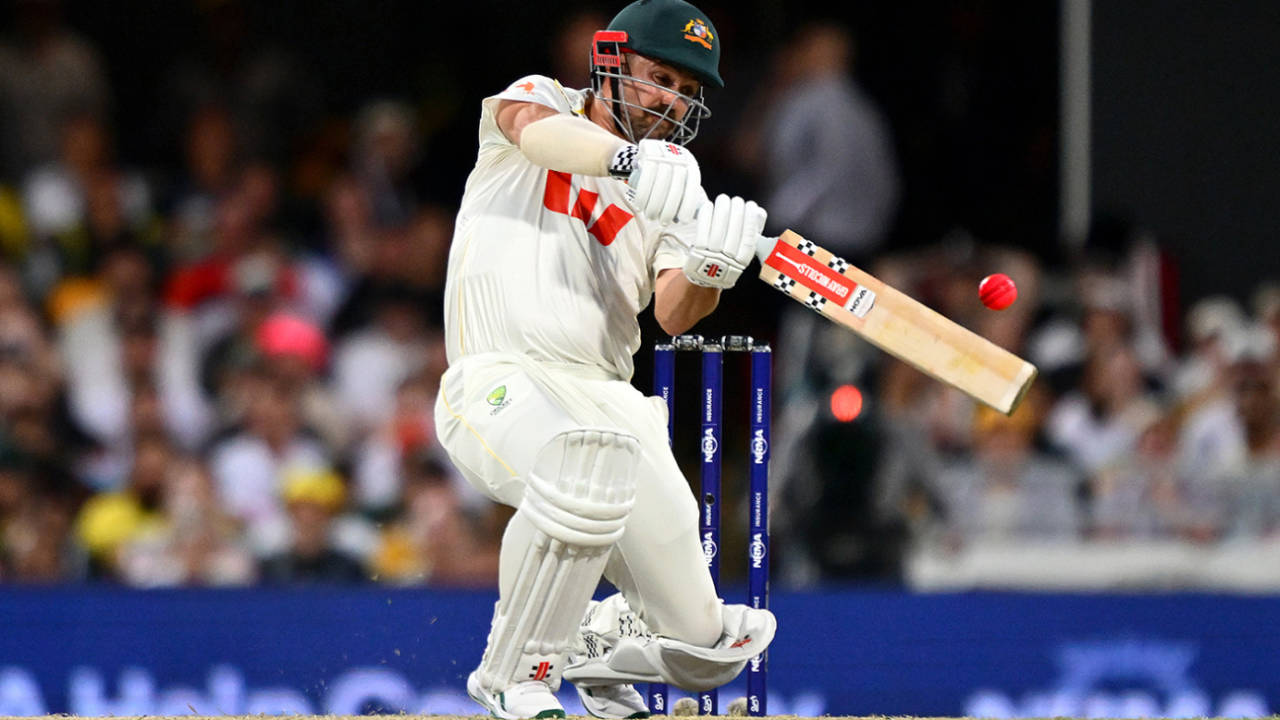
Despite his self-assessment, the impact of his aggressive approach—often dubbed ‘Travball’—has been undeniable. His stunning 123 off 83 balls in Perth set the tone for a series that saw him consistently put bowlers under pressure. For Head, the focus is not on technical labels but on functional contribution. He understands that the nature of his game is conducive to aggressive batting, which he believes provides a unique utility at the top of the order.
He is under no illusions regarding the difficulty of facing the new ball. “I know that I’ve still got to work continuously hard at the new ball. I know I’m going to make mistakes. That’s okay. I’m very comfortable with where my game’s at,” he added. This level of maturity allows him to accept the volatility inherent in opening the batting while remaining focused on the ultimate goal: winning matches for Australia.
Impact Over Statistics
When reflecting on his performances, Head places significant value on how he influences the outcome of a match rather than focusing solely on the stat sheet. He pointed to his performances on challenging surfaces, such as his outings in Barbados, as evidence of his commitment to team success. These performances, though perhaps less statistically flashy than a massive century, were crucial in winning Test matches under difficult conditions.
“I’d love to score hundreds, I’d love to be in the runs column all the time, but at the end of the day I’d just love to contribute to winning Test matches,” Head stated. This mindset has served him well, particularly during the intense pressure of an Ashes series, where he proved that his aggressive style could thrive even against the highest caliber of opposition.
Looking Ahead: A Grueling Schedule
As Australia prepares for a demanding schedule, including series against Bangladesh, South Africa, New Zealand, India, and a return to the Ashes next year, Head remains flexible. He refuses to pigeonhole himself into a specific style of play, understanding that different conditions and match situations will require different approaches. Whether he is tasked with setting an early tone or anchoring a longer innings, his commitment to the team’s victory remains the driving force behind his performance.
The journey ahead involves 21 Test matches over the next ten months, a period that will undoubtedly test the squad’s depth and versatility. Head’s willingness to adapt to the requirements of the team, regardless of the label attached to his position, marks him as a vital component of the current Australian setup. By embracing the role with a clear head and a positive outlook, he has proven that even if he isn’t a ‘traditional’ opener, he is exactly the kind of player Australia needs to maintain its winning momentum.