Head beats Carey by one vote to claim back-to-back Allan Border Medals: A Historic Triumph for Travis Head

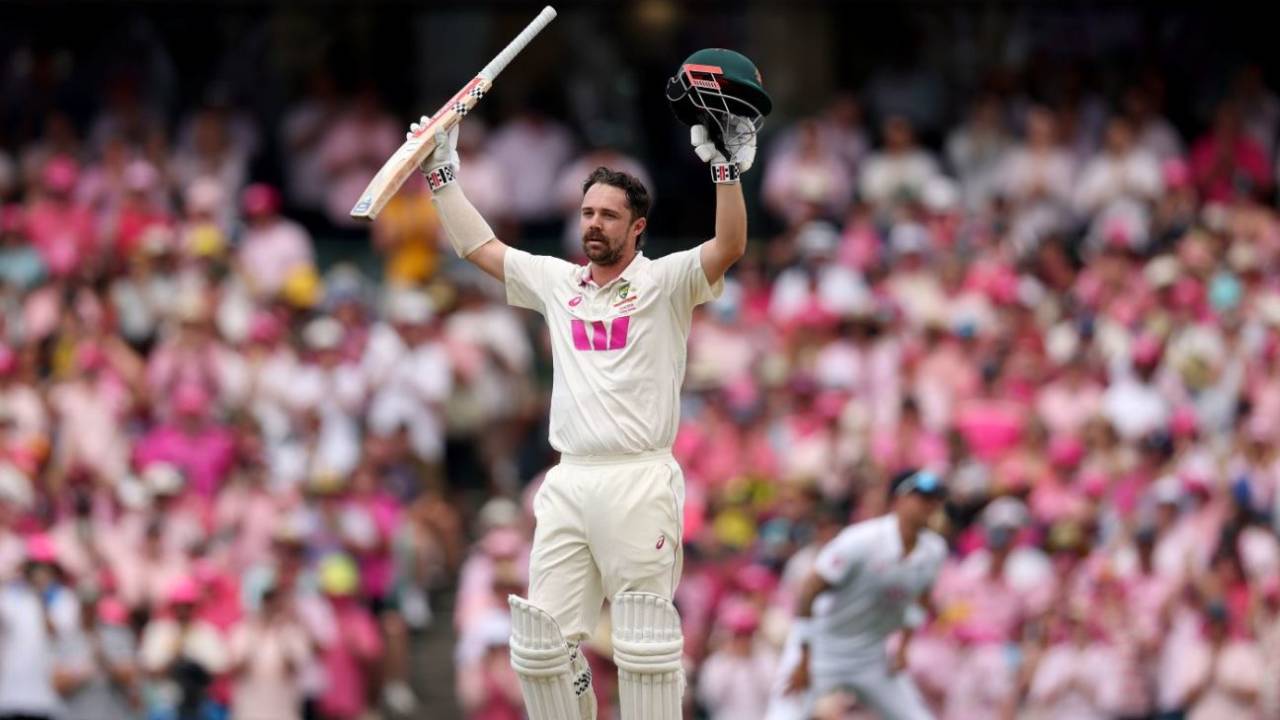
The Australian cricketing landscape has once again crowned its brightest star, with Travis Head making history by claiming back-to-back Allan Border Medals. In a fiercely contested race, Head narrowly edged out wicketkeeper-batsman Alex Carey by a solitary vote, underscoring a year of transformative performances and significant contributions to the national team across all formats. This prestigious award solidifies Head’s position as one of the most dynamic and impactful players in contemporary Australian cricket, particularly following his dramatic and highly successful transition into a Test opener.
Contents
Travis Head’s Stellar Year: From Middle Order to Opening Dominance
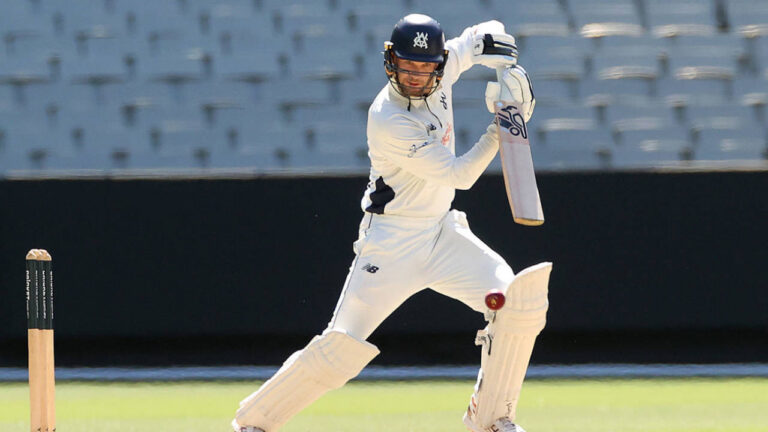
Head’s remarkable year was defined by a series of explosive displays, none more impactful than his performance in the Ashes series. He amassed an astonishing 629 runs against England at an aggressive strike rate of 87.36, featuring three magnificent centuries. His ascent to the top of the order was initially necessitated by the injury to Usman Khawaja. Head seized this opportunity with both hands, famously hammering 123 runs off just 83 balls in a breathtaking run chase in Perth, leaving the English bowlers and fielders in a state of shock. He continued this rich vein of form with a superb 170 in Adelaide and another commanding 163 at the iconic SCG, consistently providing Australia with vital momentum and match-winning innings.
Beyond his Test heroics, Head’s all-round impact was crucial. While Test performances carry double the weight of ODIs and triple that of T20Is in the voting system, his blistering 142 against South Africa in Mackay during the voting period may well have been the decisive factor in this incredibly tight contest. Overall, Head accumulated an impressive 971 runs in 11 Tests, nearly 200 runs more than the next highest scorer, Alex Carey, demonstrating his unparalleled run-scoring prowess during the evaluation period.
Joining an Elite Pantheon of Australian Cricketers
With this back-to-back triumph, Travis Head has etched his name into the annals of Australian cricket history, becoming only the sixth player to win the coveted Allan Border Medal on multiple occasions. He now stands alongside an illustrious group of cricketing legends: Ricky Ponting, Michael Clarke, and Steven Smith, who each boast four medals; David Warner, with three; and Shane Watson, who secured two. This achievement places Head firmly among the sport’s greats, recognizing his consistent excellence and profound influence on the team’s successes over the past two seasons.
Alex Carey’s Near Miss: A Testament to Consistency
The slim margin of victory for Head speaks volumes about the outstanding year enjoyed by Alex Carey. The Australian wicketkeeper-batsman showcased remarkable consistency and performed a crucial all-round role with both bat and gloves throughout the voting period. Carey’s efforts were highlighted by two significant Test centuries: a resilient 156 against Sri Lanka in Galle and a vital 106 against England in Adelaide. His ability to contribute consistently under pressure, often steadying the innings or accelerating the scoring, earned him a substantial number of votes, bringing him tantalizingly close to the ultimate individual prize.
Carey’s dedication and skill behind the stumps, coupled with his increasingly reliable batting, were evident throughout the year. His consistent presence and ability to perform under varied conditions across different formats underscored his value to the Australian team, making him a truly deserving contender for the highest honour.
Starc’s Dominance and Other Top Performers
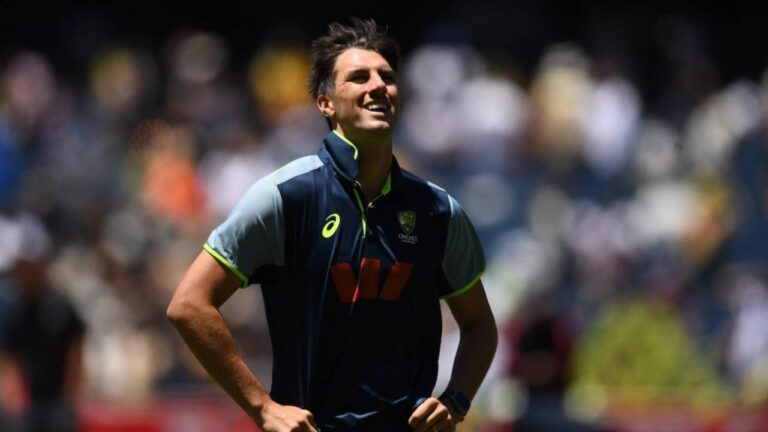
While the Allan Border Medal went to Head, other Australian stars were also celebrated for their exceptional contributions. Veteran left-arm quick Mitchell Starc, who was deservedly named Player of the Series in the Ashes, received the prestigious Shane Warne Test Player of the Year award. Starc’s year was nothing short of phenomenal, as he claimed a staggering 52 wickets at an incredible average of 17.80 during the voting period. This included a dominant performance against England, where he led the attack with 31 wickets at 19.93, notably stepping up in the absence of key bowlers like Josh Hazlewood (throughout) and Pat Cummins (for all but one match). His year also featured a memorable six-wicket haul for just nine runs against the West Indies in Jamaica, a match where he also reached the significant milestone of 400 wickets in his 100th Test match.
In the limited-overs formats, all-rounder Mitchell Marsh was recognized as the ODI Player of the Year. Marsh’s powerful batting saw him accumulate 304 runs at an impressive average of 60.80 across six matches, delivering crucial performances for the Australian side. The dynamic Tim David secured the T20I Player of the Year award, a testament to his explosive hitting and game-changing abilities. David smashed 395 runs at an average of 49.37, maintaining an astonishing strike rate of 197.50, proving to be an invaluable asset in the shortest format of the game.
The Awards Ceremony and Voting Process
This year’s Allan Border Medal presentation took place in Brisbane on a Friday, serving as a fitting precursor to Australia’s upcoming series against Bangladesh in Darwin, which marks the commencement of a demanding schedule for the national team. The structure of the awards ceremony saw a slight modification this year. The Belinda Clark Award, recognizing the top female cricketer, was announced earlier in the year, with Annabel Sutherland also securing a back-to-back victory. This adjustment was made due to unavoidable scheduling clashes with various international and franchise cricket commitments, making it challenging for Cricket Australia to find a single date that would allow all their elite players to gather for a traditional combined ceremony.
The international cricket awards, including the Allan Border Medal, are determined by a comprehensive voting system that involves players, umpires, and accredited media personnel. Each voter assigns points on a 3-2-1 basis for performances in every match played during the specified voting period, which ran from January 29, 2025, to January 24, 2026. This inclusive process ensures that the awards truly reflect the collective appraisal of a player’s impact and excellence on the field.