Tamim Iqbal’s BCB Leadership: Players Hail New Era of Professionalism

Contents
A New Chapter for Bangladesh Cricket
Bangladesh cricket is currently undergoing a significant transformation, with former national icon Tamim Iqbal at the epicenter of this structural evolution. In April 2026, at just 37 years of age, Iqbal became the youngest person to ever lead the Bangladesh Cricket Board (BCB). His appointment represents a departure from traditional board politics, signaling a commitment to transparency, player welfare, and long-term development.
The transition followed a period of instability. After an investigation into the October 2025 elections revealed irregularities within the board formerly led by Aminul Islam, the National Sports Council intervened to dissolve the administration. Tasked with restoring credibility, Tamim Iqbal was appointed to lead an 11-member ad-hoc committee, a move that followed the team’s difficult withdrawal from the 2026 T20 World Cup. Since his arrival, the narrative surrounding the BCB has shifted from controversy to concrete, proactive progress.
Towhid Hridoy: The Voice of Player Satisfaction
Perhaps the most compelling evidence of Tamim Iqbal’s impact comes from the dressing room. National batter Towhid Hridoy recently offered a candid assessment of the new leadership, noting that the atmosphere within the squad has undergone a palpable change. Unlike the guarded, formal praise often reserved for administrators, Hridoy’s support feels rooted in genuine relief and newfound optimism.
“He has taken some really good initiatives for the fans as well. He’s thinking about them too. Everything he has done so far has been good. From the players’ point of view, everyone is happy,” Hridoy shared. This sentiment highlights a critical bridge that Iqbal has successfully built: the understanding that a cricket board must serve both its elite athletes and the passionate fan base that sustains the sport.
Bridging the Gap Between Board and Player
Hridoy’s appreciation extends beyond simple policy changes; he emphasizes the human element of Iqbal’s presidency. Because Tamim retired from international cricket only recently, he retains a unique, relatable connection to the current squad. According to Hridoy, the traditional barriers between the administration and the players have dissolved, allowing for open, honest communication.
“Since he just stopped playing recently, every player can go up to the president and speak their mind freely. From players to fans, whatever he has done so far has been positive,” Hridoy added. This accessibility is a cornerstone of the new BCB culture, fostering an environment where player concerns are heard and addressed immediately rather than being buried in bureaucracy.
Concrete Reforms: From Salaries to Infrastructure
Iqbal’s vision is not merely conversational; it is defined by actionable reform. One of the most significant changes has been the substantial increase in financial support for domestic cricketers. Men’s monthly retainers and match fees have seen a major boost—Category A salaries have jumped to BDT 65,000, while first-class match fees have reached BDT 100,000. Perhaps even more impressively, women’s T20 match fees saw a tenfold increase from BDT 1,000 to BDT 10,000, signaling a long-overdue commitment to gender equity in the game.
Beyond the ledger, Iqbal has introduced systemic changes to improve the domestic pipeline. The creation of a 2nd XI Championship now serves as a vital feeder system for the National Cricket League, ensuring that fringe players are not lost in the shuffle. He has also taken a firm stance against the culture of “committee teams,” ensuring that club selection is based on merit rather than political patronage. Standardizing medical support, such as requiring ICU-equipped ambulances at all league matches, further demonstrates a prioritized focus on player safety.
Modernizing the Fan Experience
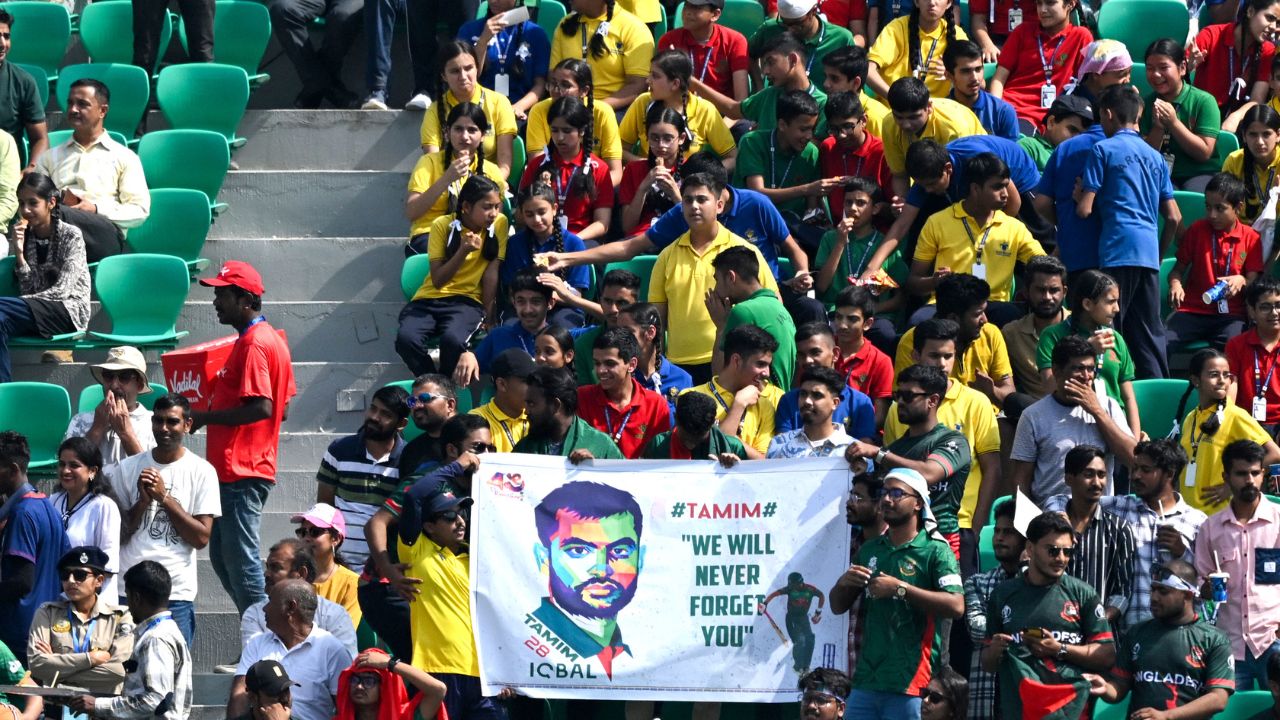
Tamim Iqbal has not ignored the spectator experience at Sher-e-Bangla National Stadium. Major upgrades are currently underway, including a 27,000-square-foot canopy to protect fans from the elements, the renovation of essential facilities like washrooms, and the installation of sustainable solar panels. Furthermore, the introduction of the “Captain’s Card” serves as a respectful nod to the history of the sport, offering 33 former national captains lifetime perks and health insurance. Through these multifaceted efforts, Iqbal is successfully balancing the immediate needs of today’s players with the long-term health of Bangladesh’s cricketing future.