Cricket Test: Stokes bags four as NZ struggle to build on strong start on Day 2

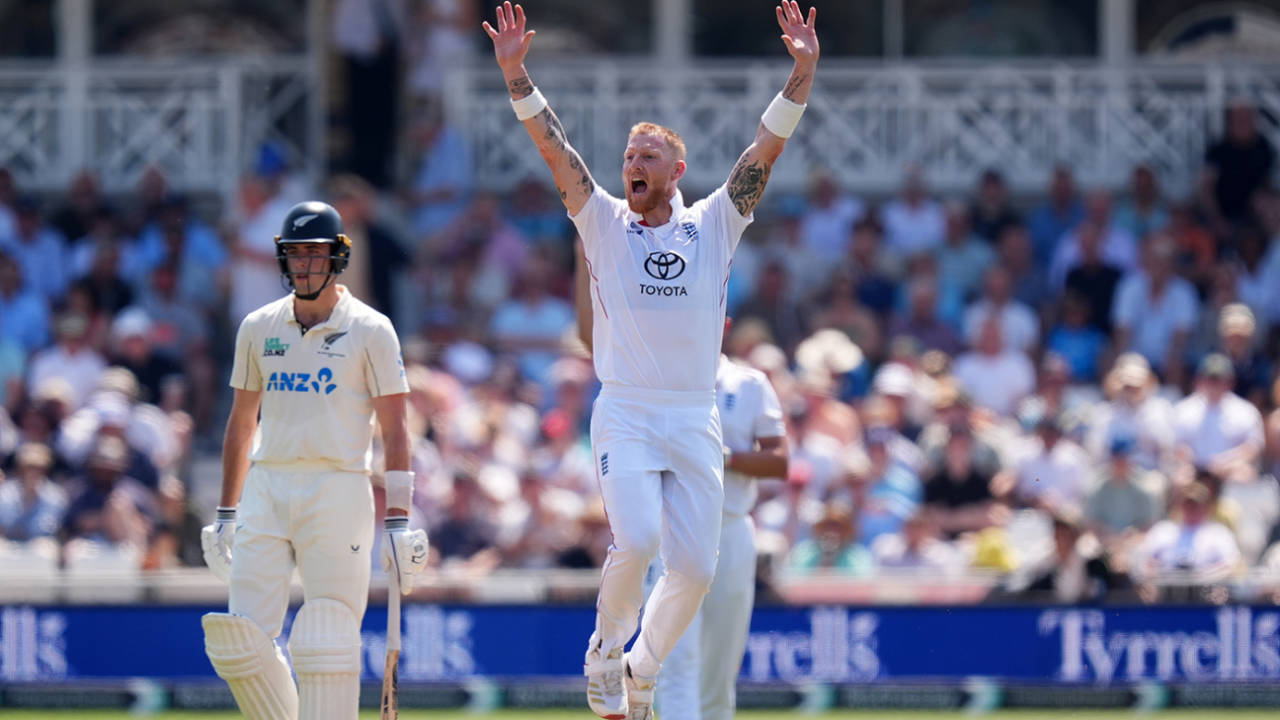
England, led by a characteristically tenacious bowling display from their captain, Ben Stokes, meticulously continued to claw back ground against New Zealand on the morning of day two of the decisive Test. Stokes’ relentless efforts saw him claim all three wickets to fall during a pivotal eight-over spell, significantly impacting New Zealand’s middle order, which struggled to build effectively on the formidable 317-run foundation laid by their openers. This shift in momentum was crucial as the tourists aimed to consolidate their strong position.
Contents
England Fight Back as New Zealand’s Momentum Stalls
Having concluded day one by losing two wickets off the final two deliveries, New Zealand added 57 runs to their overnight total of 361 for 4 during the session. Wicketkeeper-batsman Tom Blundell, unbeaten on 18 at lunch, emerged as their best hope of pushing towards the 500-run mark – a total that had appeared almost inevitable when Tom Latham and Devon Conway were flourishing with twin 150s after New Zealand had bravely opted to bat first in the baking conditions.
The visible frustration of being pegged back was perhaps compounded by a palpable sense of grievance surrounding the dismissals of both Daryl Mitchell and Mitchell Santner. Both batsmen were given out by the third umpire, Adrian Holdstock, following reviews that sparked considerable debate. The contentious nature of these decisions added another layer of tension to an already high-stakes encounter.
Oppressive Heat and Cautious Starts
The mercury continued its ascent on the second morning, with temperatures once again forecasted to reach the mid-30s C. Such oppressive heat not only tests the endurance of the players but also impacts strategic decisions. With Daryl Mitchell, a fresh batsman, at the crease alongside the nightwatcher, Will O’Rourke, New Zealand adopted a largely circumspect approach in the initial phase. Their strategy was clear: avoid early losses and ensure that England endured another long, gruelling day in the field, thereby strengthening their own hand in this crucial series decider.
Mitchell’s solitary boundary of the session came from an unexpected source – an attempted leave off Josh Tongue’s first delivery, which clipped the under-edge and scurried away fine. It was, however, the nightwatcher O’Rourke who provided the primary impetus within the first hour, advancing confidently to record his highest score in first-class cricket, surpassing the 17 not out he had achieved for Canterbury against Otago in March 2023.
O’Rourke quickly cemented a new Test best with just two swift strokes. He squeezed out two runs off Tongue before elegantly guiding Jofra Archer past the slips for a boundary, an impressive shot possibly executed while attempting to withdraw his bat. A more genuine punch through point followed, along with a thick edge off Tongue that narrowly missed third slip, a position England had opted not to deploy. Another fierce slash wide of gully off Stokes took O’Rourke to 19, demonstrating his unexpected resilience. England then squandered their first genuine opportunity for a breakthrough when Jamie Smith, diving across from first slip, could only fingertip a thick outside edge, preventing Joe Root from securing the catch.
Stokes’ Breakthroughs and Controversial Reviews
Stokes, visibly flushed from the heat and the missed chance, threw his arms up in a moment of frustration but quickly refocused, bending himself to the task. His determination paid off an over later when he finally extracted Mitchell. Umpire Nitin Menon initially did not grant the appeal as Stokes nipped one past the bat. However, UltraEdge technology detected a faint feather of an outside edge, prompting the decision to be overturned. Mitchell, visibly perplexed, appeared to believe the sound originated from his bat making contact with his front pad as he pushed forward, highlighting the fine margins of modern umpiring decisions.
New Zealand had added 32 runs for the loss of one wicket in the first hour. O’Rourke’s commendable resistance then concluded without him adding to his score following the earlier dropped catch. Stokes, sensing an opportunity, delivered a shorter length delivery. The nightwatcher, attempting a powerful ‘golf swing’, only managed to send a top-edge flying directly to point, providing Stokes with his second wicket of the session and further tilting the balance in England’s favour.
Blundell’s Counter and Santner’s Dismissal
Tom Blundell, who famously notched a century on this very ground four years prior in the Test that symbolically birthed ‘Bazball’, temporarily snatched some of the momentum back. He aggressively targeted Gus Atkinson, taking 14 runs off a single over with three well-struck fours – two elegantly driven and one dabbed to third man – propelling New Zealand past the 400-run mark. However, Stokes, relentless in his pursuit, then chipped out his third wicket of the session, and his 250th in Test cricket, when Mitchell Santner ducked into a bouncer only to balloon a catch to Jacob Bethell in the gully.
Santner, convinced the ball had struck his arm guard, immediately reviewed the decision, gesturing towards Stokes. Yet, Adrian Holdstock, in the TV umpire’s seat, took barely 30 seconds to examine a single front-on replay before delivering his verdict. He concluded that there had also been contact with the strap of Santner’s glove, upholding the on-field call. This swift and decisive ruling further underscored the challenges New Zealand faced in building substantial partnerships on day two, as England’s spirited comeback, orchestrated by their captain, continued to dominate the narrative.