Shakib Al Hasan reflects on mistakes and his political journey

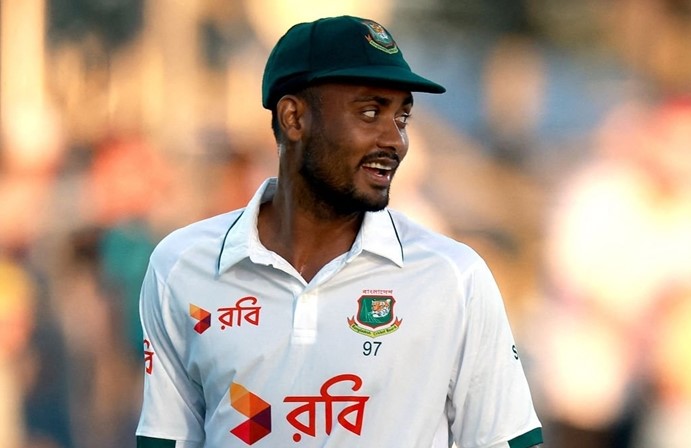
Shakib Al Hasan, a name synonymous with Bangladeshi cricket, has carved out a career marked by both extraordinary success and significant challenges. His journey, spanning over a decade and a half, has been nothing short of dramatic, punctuated by record-breaking performances, leadership roles, and moments of intense public scrutiny. Even at 39, Shakib remains an undisputed icon, a testament to his enduring skill and unparalleled impact on the sport. Yet, with such a multifaceted career, one often wonders if figures of his stature ever look back and wish to alter a decision.
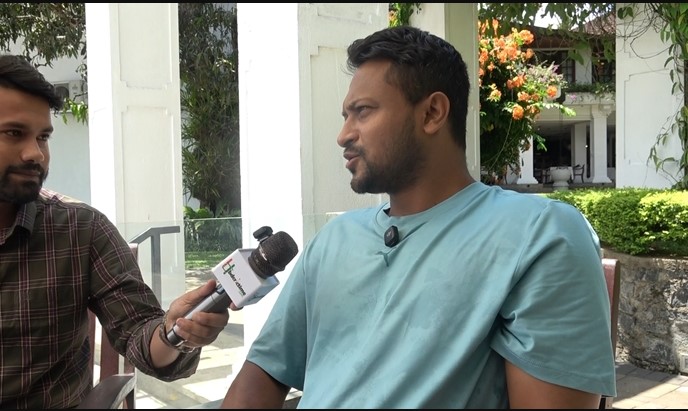
During his stint with the Jaffna Kings in the Lanka Premier League (LPL), Shakib Al Hasan offered a rare glimpse into his mindset in an interview with BDCricTime. When pressed on whether he harbored any regrets about past decisions in his life or illustrious career, the veteran all-rounder presented a philosophy rooted in acceptance and growth. “No, I can’t really think of anything like that,” he stated unequivocally. “People make mistakes, and that’s how they learn. If you never make mistakes, how will you learn? That’s the bigger question. If I could erase those mistakes, I wouldn’t have learned from them.”
This perspective underscores a mature understanding that every misstep is a crucial component of development. For Shakib, the tapestry of his life is woven from both triumphs and errors, each thread contributing to the person he is today. “So I’m okay with both my mistakes and my good decisions. Together, they’ve brought me to where I am today, and I’m happy with that. Instead of looking above me, when I look at where I came from, I feel I’m in a very good place. That makes me happy most of the time,” he elaborated, highlighting a profound sense of contentment and gratitude for his journey.
The Intersection of Cricket and Politics: A Calculated Choice
One of the most discussed chapters in Shakib Al Hasan’s recent life has been his foray into politics, a decision he made while still actively involved in international cricket. This move sparked considerable debate among fans and pundits, with many questioning the timing and potential implications for his cricketing career. However, Shakib maintains a steadfast stance on this choice, expressing no regrets.
When directly asked if entering politics during his playing career was a mistake, the former Bangladesh captain offered a forward-looking perspective, preferring to focus on lessons learned rather than dwelling on hypotheticals. “I don’t really want to change the past. What’s done is done. I’d rather learn from those experiences and focus on what I can do better going forward,” he asserted. This statement reflects a pragmatic approach to life’s major decisions, acknowledging that once a path is chosen, the most productive response is to adapt and evolve.
Shakib also acknowledged the inherent uncertainty of alternate choices. “It’s impossible to say what might have happened if I had made different choices. Things could have been completely different.” Despite the challenges and the mixed reactions, his underlying sentiment remains one of deep appreciation for his circumstances. “Even now, I consider myself very fortunate. Life will always have both mistakes and good moments. The important thing is to learn from them and keep moving forward.”
Navigating Public Perception and Political Scrutiny
The convergence of Shakib’s cricketing fame and political involvement inevitably led to shifts in public perception. Following the significant political events surrounding the July Revolution, his popularity experienced a noticeable decline, particularly due to his perceived political associations. This period saw him face considerable criticism, even though he was not physically present in Bangladesh during the immediate aftermath.
The unique position of a public figure like Shakib means that their actions, even those taken outside their primary professional sphere, are subject to intense scrutiny and commentary. His absence from the country did not shield him from the fallout, highlighting the pervasive nature of celebrity and political ties. When confronted with the question of why he had to bear responsibility for events while abroad, Shakib responded with a wry smile and a carefully worded suggestion.
“You should ask the people who are in charge now. Ask them why things are still like this. (Laughs) What’s the point of asking me? I’m not the person who can answer that. The people making the decisions now are in a much better position to explain,” he quipped. This response, delivered with a mix of humor and shrewdness, deftly redirected the inquiry, underscoring his belief that accountability for ongoing political situations rests with current decision-makers rather than individuals who have moved on from active political roles.
Ultimately, Shakib Al Hasan’s reflections paint a picture of an athlete who has embraced the full spectrum of his experiences. His journey, marked by monumental achievements on the cricket field and a recent venture into the political arena, is a testament to his resilience and capacity for growth. He stands as a figure who acknowledges the imperfections of life and career, viewing them not as roadblocks but as essential stepping stones on the path to self-improvement and sustained happiness. His focus remains firmly on the future, demonstrating that even for a legend, the greatest lessons are always yet to be learned.