Shakib Al Hasan Reflects on IPL Legacy and Future of Test Cricket

Contents
A Career Defined by Adaptation
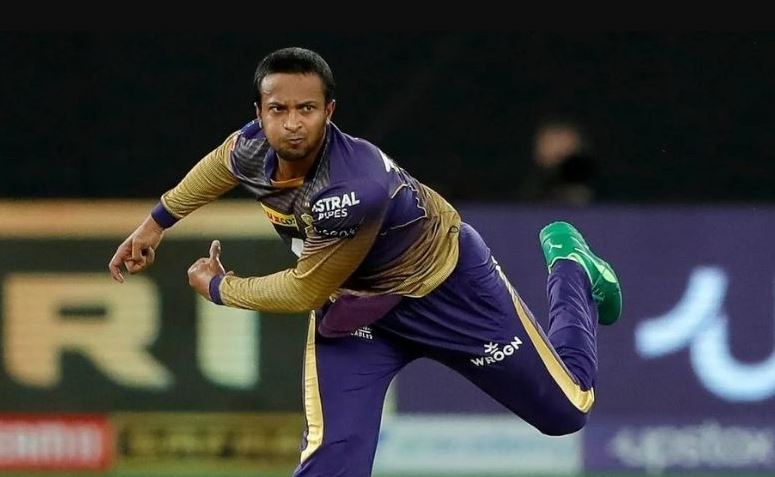
There was a time when Shakib Al Hasan stood as the lone representative of Bangladesh in the high-stakes world of franchise cricket. As a pioneering figure for his nation, he navigated the global T20 circuit with unparalleled skill. Now at 39, the veteran all-rounder recognizes that he has reached the twilight of his illustrious career. Opportunities in leagues like the Indian Premier League (IPL) have naturally become more sporadic, yet Shakib maintains a calm perspective, noting that he holds no regrets regarding the natural progression of his journey.
Reflecting on the IPL Experience
When questioned by reporters in Mumbai about whether he misses the intensity of the IPL, Shakib’s response was characteristically pragmatic. Having graced the tournament for years with iconic franchises like the Kolkata Knight Riders and Sunrisers Hyderabad, he feels he has contributed his part to the competition. He emphasized that the tournament is now witnessing a generational shift, with younger talent rising to prominence. He noted that only a handful of players from his age bracket remain active in the league, acknowledging that the physical demands of modern T20 cricket are shifting toward the next wave of superstars.
The Dual Edge of Franchise Dominance
While Shakib remains a vocal admirer of the IPL and the transformative impact it has had on the professionalization of cricket, he offers a poignant word of caution regarding its long-term influence on the sport’s ecosystem, particularly in India. He observes that while the IPL has revolutionized the game, it poses a distinct challenge to the prestige of the longest format.
Shakib remarked, ‘A lot of young cricketers are coming through because of the IPL. India’s cricket pipeline is so strong that it can carry them for the next 50 years. They keep producing new players. But maybe they could struggle in Test cricket, because everyone wants to play in the IPL. That could become a challenge.’ This perspective highlights a growing global conversation: the tension between the lucrative, high-visibility world of franchise cricket and the enduring technical demand of Test matches.
T20 as the Catalyst for Globalization
Beyond his concerns for Test cricket, Shakib is a firm believer in the power of the T20 format to expand the boundaries of the sport. He views the abbreviated version of the game as the primary driver for cricket’s inclusion on the world stage. In an era where audiences are increasingly pressed for time, he argues that the efficiency and excitement of T20 provide the perfect vessel to introduce cricket to new nations and demographics.
He noted, ‘The world is moving forward. People have less time now. T20 cricket is a great format for globalization. Many people do not have enough time to watch other formats. T20 can help make cricket a truly global sport. Cricket will also be played in the Olympics in the T20 format.’ This foresight aligns with the sport’s inclusion in upcoming Olympic Games, marking a pivotal moment in cricket’s history.
The Legacy of a True Professional
As Shakib looks toward the future, his legacy remains untarnished. He continues to view the evolution of the game through an objective lens, appreciating the growth of the IPL while remaining a staunch advocate for the nuances of the game that first made it great. His insights serve as a reminder that while the industry must embrace innovation and the T20 boom, stakeholders must also remain vigilant in preserving the traditions that define cricket’s unique identity. Whether watching the IPL from the sidelines or contributing to the game in other capacities, Shakib Al Hasan’s voice remains one of the most respected in the sporting world, bridging the gap between the legends of the past and the rising stars of tomorrow.