Shaheen Afridi Faces Scrutiny Over Pace Drop in Pakistan vs Bangladesh Test

Contents
The Pace Concern: A Star Under the Microscope
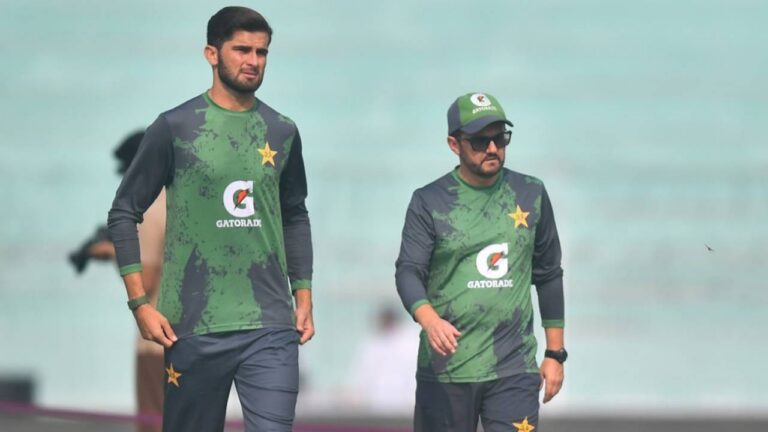
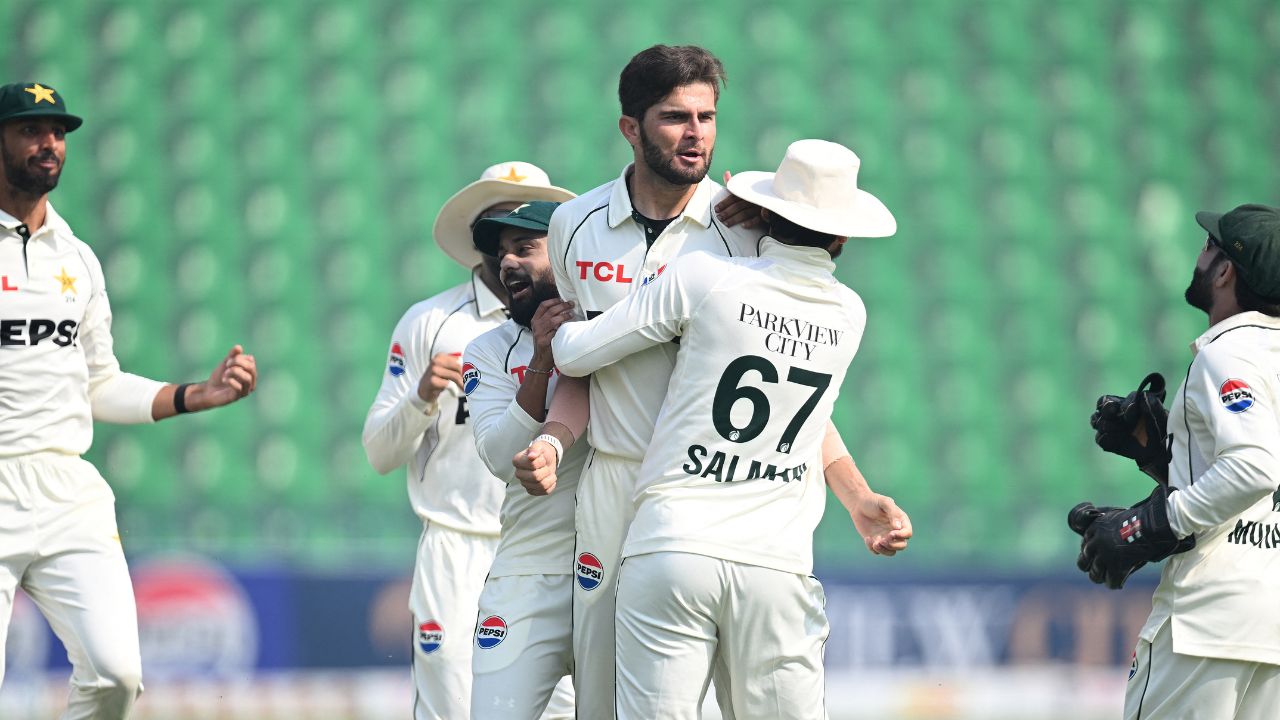
In the world of international cricket, few sights are as iconic as Shaheen Shah Afridi running in with the new ball. However, during the first Test match between Pakistan and Bangladesh at the Sher-e-Bangla Stadium in Mirpur, the conversation shifted from his swing to his velocity. A blunt assessment by former Pakistan Cricket Board (PCB) chairman and commentator Ramiz Raja has brought the long-simmering debate regarding Afridi’s bowling speed to the forefront of national discussion.

The match, which began on May 8, saw Pakistan opting to bowl first after winning the toss, albeit without the services of star batter Babar Azam due to injury. As the Pakistani pace battery—comprising Shaheen Afridi, Mohammad Abbas, and Hasan Ali—took the field, all eyes were on Afridi. While he did manage to dismiss Mahmudul Hasan Joy early, his overall performance left critics wanting more.
The ‘Medium Pacer’ Label
As the overs progressed, Afridi’s radar readings became a point of contention. Clocking consistently between 130-135 kph, he appeared to lack the venom that once defined his bowling. Ramiz Raja, providing commentary during the live broadcast, did not mince his words. Comparing the current Pakistani attack to their opponents, Raja remarked: “We don’t have pacers like Nahid Rana. We have medium pacers. Shaheen Afridi so far has looked like a medium pacer.”
This observation was not merely a momentary critique; it reflected a wider, statistically backed trend that has plagued the left-arm pacer since his unfortunate knee injury in 2022. While Afridi has often brushed aside suggestions that his physical condition has compromised his pace, the raw numbers suggest a different story entirely.
Statistical Decline: A Look at the Data
The transformation in Afridi’s bowling speed post-2022 is stark. Looking at his ODI statistics, the decline is impossible to ignore. In 2021, a significant 35% of his deliveries were clocked at speeds exceeding 140 kph. Following his injury, that figure plummeted to 11% in 2022, 8% in 2023, 4% in 2024, and remains at 9% in 2025. This downward trajectory is not limited to ODIs, as both Test and T20I formats have seen a similar trend.
- 2021: 35% of balls over 140 kph
- 2022: 11% of balls over 140 kph
- 2023: 8% of balls over 140 kph
- 2024: 4% of balls over 140 kph
- 2025: 9% of balls over 140 kph
While he remains lethal with the swinging new ball, his effectiveness in middle and death overs has waned significantly. For a side that relies heavily on its spearhead to provide breakthroughs, this reliance is turning into a systemic risk. When Afridi has an off-day, the entire bowling unit appears to lose its bite, leading to substantial pressure on the rest of the squad.
Bangladesh’s Resilient Start
The context of this match only adds to the tension. Following their historic 2-0 series sweep in Pakistan back in 2024, Bangladesh entered this Test with significant confidence. Despite Pakistan securing two early wickets—Afridi accounting for Mahmudul Hasan Joy and Hasan Ali removing Shadman Islam—the hosts mounted a commendable recovery.
By the 26th over, Bangladesh had stabilized at 101/2, driven by a gritty and composed partnership between Mominul Haque and captain Najmul Shanto. The duo successfully neutralized the initial threat posed by the Pakistani pacers, forcing the visitors to rethink their strategy as the surface showed signs of settling down.
The Path Forward
Pakistan finds itself at a crossroads. While there is no need for immediate panic, the trend in Afridi’s pace is a variable that the team management can no longer ignore. Monitoring his workload and physical health is paramount, but so is addressing the tactical shift needed when his top-tier speed is unavailable. As the World Test Championship cycle continues, Pakistan will need their strike bowler to either find his old rhythm or adapt his craft to remain effective in a changing landscape.
Ultimately, the discussion surrounding Shaheen Afridi is not meant to diminish his immense contribution to Pakistan cricket. Rather, it is a testament to the high expectations placed on a world-class talent who is currently navigating the most difficult phase of his professional career.