Scotland, Netherlands slam ICC response to Associate concerns over World Cup for

Contents
A Crisis of Transparency in Global Cricket
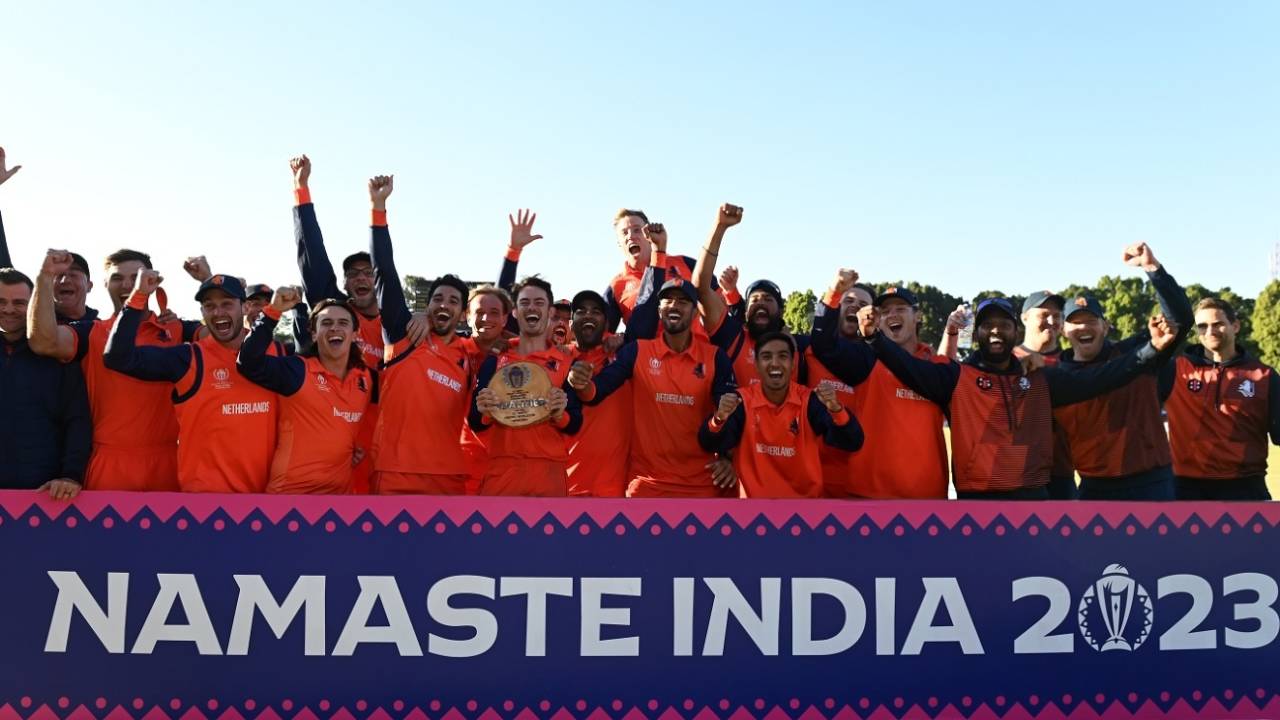
The international cricket community is currently grappling with a growing rift between the sport’s governing body and its Associate Members. Recent developments have seen Scotland, Netherlands slam ICC response to Associate concerns over World Cup for the introduction of unexpected format changes for the 2027 Men’s ODI World Cup. With less than 18 months remaining before the flagship event, the sudden announcement has sent shockwaves through the cricketing fraternity, prompting a stern joint statement from Cricket Scotland and the Royal Dutch Cricket Association (KNCB).
The Core of the Dispute
The controversy stems from the ICC’s decision to implement a ‘Super Series’ stage. This new structure requires the 12th, 13th, and 14th ranked teams to compete in a high-stakes tri-series, from which only one nation will advance to the second round of the main tournament. Associate boards argue that such drastic alterations, introduced so close to the event, undermine the integrity of the qualification pathway and the hard work invested by emerging nations.
Following the initial announcement, the frustration among Associate Members grew when requests for clarification went unanswered. Cricket Scotland and the KNCB confirmed that after two meetings held to discuss the matter, the ICC has remained silent for over two weeks. This lack of communication has been officially labeled as disappointing and disrespectful by the boards, who believe that decisions of this magnitude require far greater transparency and collaborative consultation.
Undermining Growth and Progress
The joint statement highlights a broader concern: the marginalization of emerging cricket nations. Associate boards argue that at a time when the sport aims to expand its global reach and attract new audiences, creating barriers for smaller nations sends a contradictory message. The statement notes, “These changes represent a setback to Associate Member cricket and risk undermining the progress made in recent years to grow the global game.”
For nations like Scotland and the Netherlands, the World Cup is more than just a tournament—it is a vital platform for driving investment, inspiring the next generation of players, and securing government support. By shifting the goalposts mid-cycle, the ICC is accused of placing undue financial and operational pressure on organizations that are already operating with limited resources. The players, who commit years of preparation to these qualification cycles, are now left in a state of uncertainty, which many argue is unfair to the spirit of the game.
A Call for Collective Governance
The criticism is not limited to the boards alone. Players from Namibia, the Netherlands, and Scotland have previously voiced their reservations through the World Cricketers’ Association. Namibia Cricket chair Rudi van Vuuren has even suggested that the current climate might force nations to prioritize T20 formats as a more reliable growth vehicle, given the volatility of the ODI structure.
The argument put forth by the disgruntled boards is simple yet powerful: success in cricket should be earned on the field, not determined by administrative changes made behind closed doors. The history of the sport is filled with iconic moments where Associate nations have challenged and toppled Full Members, proving that the “global game” narrative must be backed by actions, not just slogans.
Moving Forward: What Needs to Change?
As the countdown to February 2027 continues, the demand for better governance has reached a fever pitch. The Associate boards are calling upon the ICC to:
- Engage in open and meaningful consultation regarding future structural changes.
- Provide official written communication on current policy shifts.
- Ensure that future qualification pathways are stable and predictable.
- Invite Associate Members to participate in high-level bilateral planning meetings.
Ultimately, the health of international cricket depends on the strength of its entire ecosystem. When organizations feel that their voices are ignored and their efforts are discounted, the credibility of the entire sport suffers. Whether the ICC will address these concerns or continue on its current path remains to be seen, but one thing is clear: the collective voice of Associate cricket is becoming too loud to ignore. The integrity of the World Cup depends on a process that respects all participants equally, ensuring that every team has a fair chance to compete on the world stage.