Contents
A Tactical Masterclass in Acute Observation
In high-stakes cricket, matches are frequently decided by the finest of margins. Yet, rare is the occasion when a player’s keen eyesight and sharp understanding of the playing conditions completely alter the course of a match without a single boundary being hit initially. That was precisely the story at the Utilita Bowl on Wednesday night, as Phil Salt showcased extraordinary alertness during Welsh Fire’s tight pursuit against Southern Brave.
Chasing on a notoriously difficult and slow surface, Welsh Fire found themselves in a delicate position, requiring 44 runs off the final 33 deliveries. Salt, operating on 26 runs from 25 balls, had struggled to find his usual fluent rhythm and was yet to register his first boundary of the evening. However, what he lacked in timing up to that point, he more than compensated for with unmatched situational awareness.
The Fielding Error That Changed Everything
Before Luke Wood bowled a crucial delivery in his five-ball set, Salt surveyed the outfield and spotted an immediate discrepancy in Southern Brave’s field placement. According to the rules governing fielding restrictions, the bowling side is allowed a maximum of five fielders outside the 30-yard inner circle during this phase of the match. Southern Brave, however, had mistakenly stationed six fielders in the deep, leaving only three fielders inside the ring.
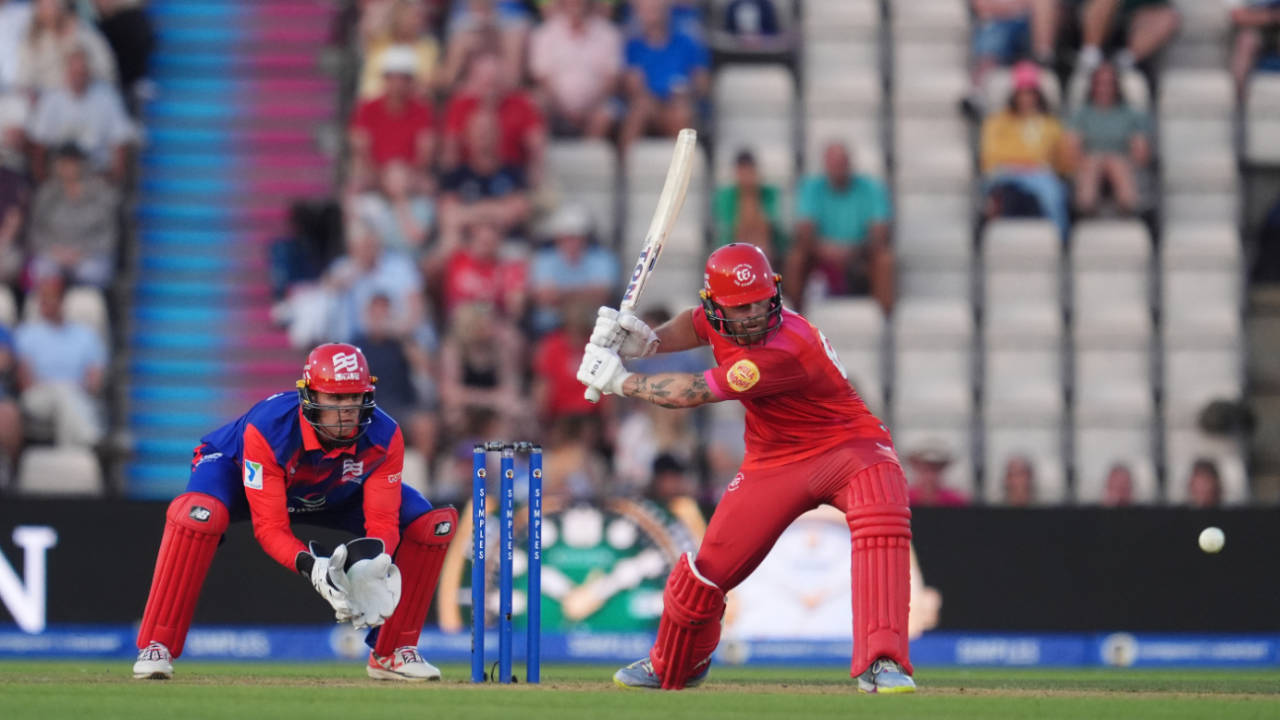
Recognizing that the fielding team was in violation of the rules, Salt realized the upcoming delivery would legally constitute a no-ball. Rather than playing defensively, he immediately capitalized on the situation, treating Wood’s delivery as a risk-free hit. He swung forcefully, smearing the ball over a leaping Jofra Archer, who had moved in off the boundary rope at long-on.
Immediate Appeal and Umpire Confirmation
The moment the ball left his bat, Salt did not wait for the outfield drama to unfold. He walked directly down the pitch with his right arm outstretched, pointing out the error directly to standing umpire Jack Shantry. Salt requested an official check for a no-ball due to the field restriction breach.
Following an official review and verification by the officiating team, the no-ball was confirmed. The sequence of events unfolded rapidly:
- Original Delivery: Ruled a no-ball due to having six fielders outside the 30-yard circle.
- Runs Scored: One run was taken off the initial hit, plus the penalty run for the no-ball.
- Free Hit & Extra Ball: Salt scored one run off the subsequent free hit, but then took full advantage of the extra ball in Wood’s set, dispatching the sixth ball over mid-off for a clean boundary.
How a Substitute Fielder Lost Focus
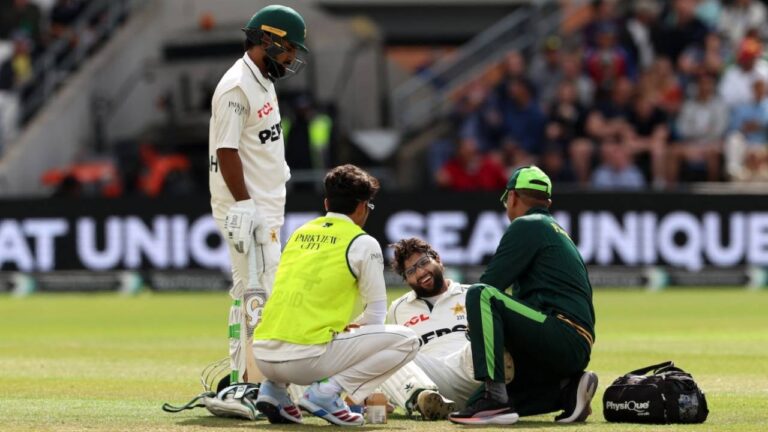
The root cause of Southern Brave’s costly tactical mistake was traced back to a recent substitution on the field. Minutes earlier, Thomas Rew had suffered an unfortunate injury, appearing to roll his ankle while making a diving stop in the deep. Tom Abell was dispatched onto the field as a substitute fielder to take Rew’s place.
In the chaos of the substitution and position reshuffling, Abell remained stationed deep near long-off when he should have moved inside the 30-yard ring to maintain the mandatory four-man inner circle presence. That lapse in concentration proved catastrophically expensive for Southern Brave.
Expert Reaction: Carlos Brathwaite Breaks Down the Swing
Analyzing the pivotal moment on BBC commentary, former West Indies captain Carlos Brathwaite expressed admiration for Salt’s presence of mind while highlighting the severe consequences of Southern Brave’s oversight.
“Someone has fell asleep: three in the circle,” Brathwaite noted during the broadcast. “I think that’s why Salt just swung at it, and he walked straight to the umpire and told him, there’s only three in the circle and it should be a no-ball. Good awareness from him of that.”
Brathwaite further elaborated on the massive numerical swing created by the error: “It’s the small things, the very small things… Jof in off the rope, it went for a boundary. Tom Abell sleeping a little bit at long-off, should have been in the circle. As a result, it’s not only the no-ball, but it’s also four .. that’s five. And then you get the extra ball, nine. Nine from what really and truly could and should have been a wicket, and the whole game has changed on its head.”
Salt’s Debut Heroics and Post-Match Thoughts
Instead of facing a daunting 44 off 33 balls with mounting pressure, Welsh Fire suddenly found their target reduced to a far more manageable 35 off the final 30 balls. The momentum shifted entirely in favor of the chasing side.
Salt ensured that his game-changing observation did not go to waste. Marking his Welsh Fire debut in style, the explosive opener anchored the remainder of the chase with composure. He finished unbeaten on 47 runs from 37 balls, capped off by striking experienced campaigner Chris Jordan for a decisive six over midwicket to seal victory with two balls remaining.
Reflecting on the grueling chase afterwards, Salt emphasized the necessity of patience on tricky surfaces: “Conditions certainly weren’t easy. I feel like that was a good toss to win for us, chasing a target… You always have to give yourself a few balls in low-scoring games like that.”
A Rare Entry in Cricket’s Curiosities
While field restriction violations occur occasionally in professional cricket, rare instances where a batsman actively spots the error prior to the ball being bowled and exploits it to turn the game around remain legendary. Similar instances occurred during an Australia vs England ODI in the 2013-14 season, as well as during T20 Blast Finals Day in 2022. Salt’s sharp intellect at the Utilita Bowl now takes its rightful place alongside those famous white-ball moments, proving that elite cricket is as much a test of mental acuity as it is of athletic ability.