
Contents
- 1 From Wheat Fields to IPL: The Rise of Sakib Hussain
- 1.1 Early Days: The Tennis‑Ball Crucible
- 1.2 The Mentor Who Saw the Spark
- 1.3 A Local Facility and a Crucial Condition
- 1.4 Breaking Through: Bihar Cricket League
- 1.5 National Recognition and Setbacks
- 1.6 IPL 2024: The KKR Chapter
- 1.7 Finding a New Home: Sunrisers Hyderabad
- 1.8 Current Season Highlights
- 1.9 Looking Ahead
From Wheat Fields to IPL: The Rise of Sakib Hussain
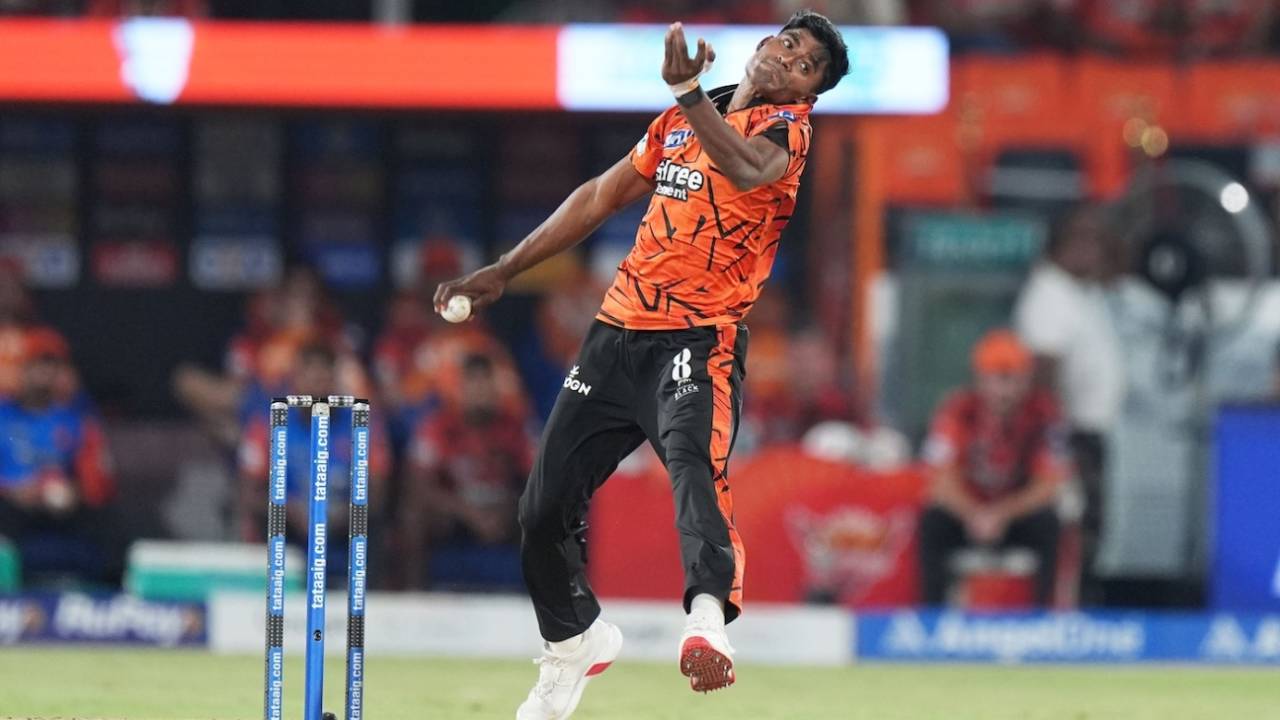
In the heart of Bihar’s wheat‑strewn landscape, where makeshift pitches are carved by clearing roots and rolling uneven ground, a 21‑year‑old fast bowler is redefining what it means to rise from obscurity. Sakib Hussain, once known locally as Gopalganj’s Rabada, has turned a humble tennis‑ball cricket routine into a coveted spot with Sunrisers Hyderabad in the Indian Premier League.
Early Days: The Tennis‑Ball Crucible
Born in Gopalganj, a town roughly halfway between Patna and the Nepal border, Sakib grew up playing cricket with a tennis ball. The pitches were rough, the nets non‑existent, and the only reward for a good outing was a modest Rs 300‑500 (about US$5). That money was vital for a family that depended on his father’s daily wages.
Despite the lack of formal coaching, Sakib’s natural pace began to shine. His teenage years were filled with sprinting drills, originally intended for an army trial he once considered. Those runs forged the stamina that now powers his fast‑bowling spell in the IPL.
****
The Mentor Who Saw the Spark
State coach Robin Singh first learned of Sakib in 2018, when the youngster was just 14. A nephew described him as “quick, but only plays tennis‑ball cricket” and urged Robin to give him a chance. Intrigued, Robin invited Sakib to train at his Patna academy. There he saw a wiry bowler with an unorthodox action, a hyper‑extended elbow reminiscent of Jasprit Bumrah, and a ball that skidded even on a slow wicket.
Robin’s belief was simple: discipline and technique could be taught, but the raw pace and natural skid Sakib possessed were rare gifts. He offered free practice, but Sakib’s family could not afford even the living costs in Patna, prompting Robin to promise a solution.
A Local Facility and a Crucial Condition
In 2019, a cricket facility opened in Gopalganj thanks to the late Tunna Giri, the district cricket association president and a close friend of Robin. Robin set one condition: Sakib must stop playing tennis‑ball cricket and focus solely on proper training. The Giri brothers also pledged financial support.
By mid‑2020 Sakib’s progress was evident, yet selectors remained skeptical, dismissively asking, “Arre, wohi bowler na? Jo dusre net pe ball phenkta hai?” (Isn’t he the bowler who bowls into the other net?). Robin countered by highlighting Sakib’s biomechanical advantages – a wrist and lever system that transferred energy efficiently, mirroring modern fast‑bowling principles.
Breaking Through: Bihar Cricket League
2021 marked a turning point when the Bihar Cricket League (BCL) launched. Robin risked his reputation, urging state coach Ashok Kumar to pick Sakib for the Gaya Gladiators. Financial hurdles almost stopped him; Sakib was set to earn just Rs 500 from a tennis‑ball match instead of traveling to Patna for the tournament. Robin arranged travel and kit, convincing him that BCL could change his life.
Two sessions in, skeptics became believers. The bowlers who once told him to keep his pace in the nets now advised him to reserve his speed for opposition batters. Later that year, at an age‑group tournament in Delhi’s Jamia, Sakib claimed 20 wickets in four matches – a stark contrast to the next best fast bowler’s five.
National Recognition and Setbacks
His performances caught the eye of junior selector S Sharath, leading to a zonal camp at the National Cricket Academy (NCA) under former India pacer Tinu Yohannan. A stint at the MRF Pace Foundation followed, and in 2022 he served as a net bowler for Chennai Super Kings during the IPL.
Debuting for Bihar in the Syed Mushtaq Ali Trophy, Sakib recorded figures of 4/20 against Gujarat, impressing Robin with how quickly batters were forced into rash pull shots. An anticipated IPL 2023 debut was thwarted by a knee injury, delaying his big‑league breakthrough.
IPL 2024: The KKR Chapter
Late 2023, while Robin commented on the Bhojpuri JioHotstar feed, KKR assistant coach Abhishek Nayar asked about Sakib’s speed. After cross‑checking NCA data and reviewing Mushtaq footage, KKR offered him a contract for the 2024 season. In practice matches, Sakib dismissed stars like Andre Russell and Manish Pandey, and alongside Mitchell Starc defended a tight death over.
Despite his potential, KKR’s star‑studded bowling line‑up – Starc, Harshit Rana, Vaibhav Arora – limited his playing time. He missed a debut against CSK, and when KKR released him after the auction, another injury kept him off the radar.
Finding a New Home: Sunrisers Hyderabad
Relocating to Lucknow, Sakib lived and trained with Robin, setting a clear goal: IPL 2026. Around this time, Varun Aaron, SRH’s fast‑bowling coach, entered the picture. Aaron had heard of Sakib from fellow MRF trainees and recognized the raw talent that needed refined direction.
“Varun bhai didn’t try to reinvent the wheel,” Robin notes. “He kept Sakib’s natural action but added load‑management, recovery cycles, and incremental technical tweaks.” Aaron’s mentorship, even when he was busy with T20 World Cup commentary, included remote feedback and a tailored program with Jharkhand coach SS Rao in Bhubaneswar.
Current Season Highlights
- Debut for Sunrisers Hyderabad with figures of 4/24 against Rajasthan Royals, three wickets coming from his slower ball.
- Against Delhi Capitals, delivered 1/29 while the average economy hovered around 11, proving his ability to keep runs down.
- Utilises a slower variation that “gets almost as much turn as an off‑spinner,” according to Aaron.
- Capable of bowling 140‑145 km/h and dialing back to 107 km/h with the same arm speed, offering valuable range for modern T20 cricket.
Even as he refines his craft in elite environments, the spirit of the wheat fields remains. The skiddy pace, the unrelenting bouncer, and the willingness to attack – traits forged on uneven Gopalganj pitches – still define his bowling.
Looking Ahead
Sakib’s journey from earning Rs 500 per tennis‑ball match to representing Sunrisers Hyderabad is a testament to resilience, mentorship, and raw talent. With Varun Aaron’s guidance, a supportive coaching network, and a clear target of IPL 2026, the boy from Gopalganj is poised to turn his farm‑yard pace into a lasting legacy on cricket’s biggest stage.
His story reminds us that behind every flash of speed lies countless hours of sprinting in wheat fields, an unbroken bond with mentors, and a family’s hope that every ball bowled brings them a step closer to a brighter future.
