Robinson moves from luxury to necessity, as England regroup around him


Contents
The Emergence of a Pillar
From the perspective of England’s Test cricket summer, the narrative surrounding Ollie Robinson has shifted dramatically. Initially viewed as a peripheral figure, his return to the side has transformed him into an indispensable asset. When he was recalled for the first Test against New Zealand at Lord’s after a two-year absence, he was framed as a tactical solution to a bowling attack that lacked a relentless leader. He proved his worth immediately with a triple-wicket maiden, securing a five-wicket haul and a spot on the Lord’s honours board.
From Selection Headache to Match Winner
The transition from being on the fringes to becoming a focal point of the team has been swift. Following his stellar performance at Lord’s, Robinson arrived at Headingley for the series opener against Pakistan and claimed a wicket with the very first ball of the match. By the end of the day, he had combined with Josh Tongue to dismantle the opposition, with Robinson taking four of the top five wickets. This performance was particularly significant as he balanced personal life milestones, including the birth of his second child, with the rigorous demands of professional cricket.
Statistical Dominance
Robinson’s record speaks for itself. His current Test average of 21.25 is remarkably lower than legends like James Anderson (24.41) and Stuart Broad (25.92). This level of consistency offers a glimpse into a future for English bowling that remains competitive even as the old guard inevitably transitions out of the side. His ability to hit a consistent length—78.7 percent of his deliveries in his recent spell at Headingley remained on target—demonstrates a technical maturity that provides comfort to his captains.
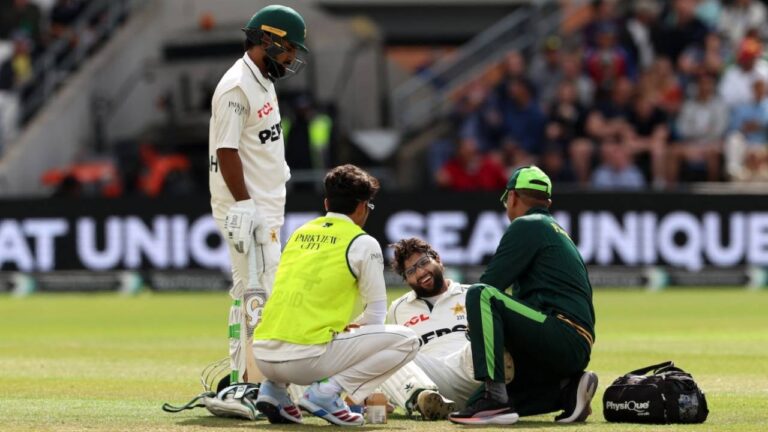
The journey between his two Test appearances this summer has not been without difficulty. A knee injury and subsequent non-selection for the third Test at Trent Bridge highlighted the precarious nature of his standing under the previous leadership. However, Robinson has processed these setbacks with professional stoicism. He noted that while missing games was frustrating, the experience served as a catalyst for renewed focus and physical preparation.
A New Era Under New Leadership
With the landscape of English cricket changing—marked by the retirement of Ben Stokes and the departure of Brendon McCullum—Robinson finds himself in a unique position. As Stephen Fleming prepares to take the helm, Robinson has firmly established himself as a player who can be relied upon regardless of the tactical identity the new coach seeks to implement. His ability to support Joe Root during testing periods of play, specifically by allowing the captain to rotate his bowlers effectively, marks him as a high-IQ cricketer.
Conclusion: A Shift in Status
While it is early to define the long-term future of his international career, the current context is undeniable. England’s bowling unit, once deep with options, is now in a position where they rely on Robinson’s accuracy and control far more than they did at the start of the summer. As the team regroups and looks toward a stable future, the bowler once considered a luxury option has solidified his place as a fundamental necessity for England’s success.