Ravichandran Ashwin Breaks Silence On Vaibhav Sooryavanshi’s India Selection
Contents
The Meteoric Rise of a Teen Sensation
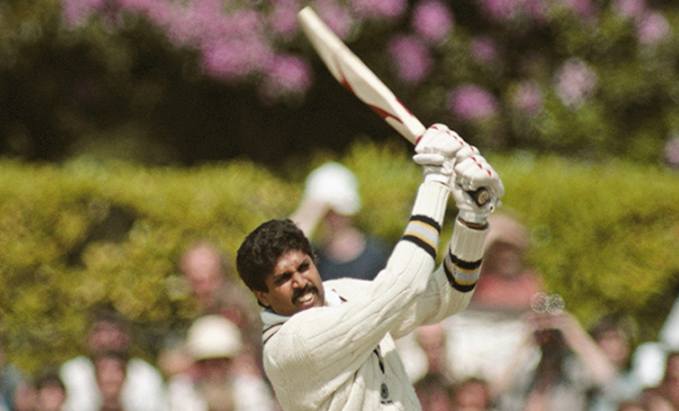
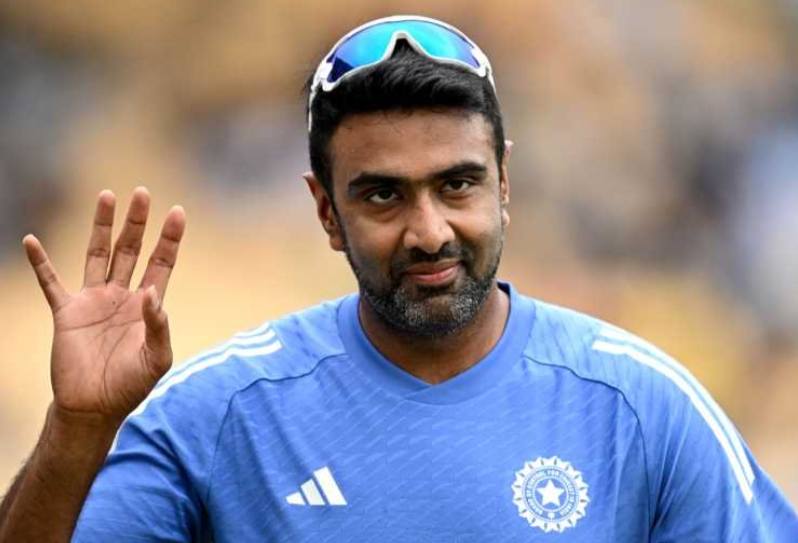
The landscape of Indian cricket has always been fertile ground for prodigies, but few names have captured the public imagination in recent times quite like Vaibhav Sooryavanshi. At just 15 years old, the young left-handed batter found himself thrust into the intense spotlight of international cricket. While his rapid ascent has sparked immense excitement among fans and pundits alike, it has also reignited a crucial debate regarding the pacing of a young player’s career. Addressing this very debate, veteran Indian off-spinner Ravichandran Ashwin Breaks Silence On Vaibhav Sooryavanshi’s India Selection, offering a balanced yet critical perspective on the youngster’s early introduction to the global stage.
Sooryavanshi’s journey to the national squad culminated during India’s recently concluded five-match T20I series against England. Having waited patiently on the sidelines during the preceding tour of Ireland and the opening match of the England series, the teenager finally received his maiden international cap. The decision to hand him his debut was met with widespread fan enthusiasm, fueled by a growing clamor on social media platforms demanding that the raw talent be given an immediate platform to perform.
A Challenging Start on the International Stage
Stepping up to international cricket is a monumental leap for any seasoned domestic player, let alone a 15-year-old. Facing a highly competitive England side, Sooryavanshi struggled to convert his immense potential into substantial scores. Across his three innings, the left-hander registered scores of 14, 13, and 15. While these brief cameos offered glimpses of his technical ability, they fell short of the high-impact performances expected at this level. Consequently, the team management decided to rest the youngster, leaving him out of the playing XI for the fifth and final T20I of the series.
This brief stint highlighted the stark contrast between domestic promise and the unforgiving nature of international cricket. It was this exact transition phase that prompted Ravichandran Ashwin to share his seasoned insights, questioning whether the fast-tracking of such young talents is always the most constructive path forward.
An “Internship” in International Cricket
Speaking on his official YouTube channel, Ashwin was quick to clarify that his observations were not a critique of Sooryavanshi’s capabilities. On the contrary, the veteran spinner expressed immense admiration for the teenager’s natural talent. Ashwin admitted that from a purely scouting perspective, he too would have selected the young batter. However, he emphasized the critical importance of patience and developmental timing.
“I’m still telling you, Vaibhav Sooryavanshi is an incredible player. If I were the selector, I would have also picked him. But let him take his time. This is called an internship, right?” Ashwin explained. By labeling this initial phase as an “internship,” Ashwin suggested that exposure to the national setup should serve as a learning experience rather than a high-pressure trial where immediate, match-winning results are demanded from a teenager.
The Impact of Social Media Pressure on Team Selection
One of the most profound points raised by Ashwin was the growing influence of public opinion and social media campaigns on team selections. In the digital age, viral campaigns and fan demands often create an echo chamber that puts immense pressure on selectors and team management. Ashwin questioned whether such external noise should ever dictate the composition of a national team.
Reflecting on his own career, Ashwin drew a parallel to the intense scrutiny players face online. “I sometimes thought that I should have played in this era. When I went for the Test tour, a lot of people on social media said Ashwin had to play. How can you drop him? But I still didn’t play on the team. If I were out, they would keep me out because team management knows what the team needs. You are saying that you can pick teams by succumbing to social media pressure?” he questioned pointedly.
Respecting the Team “Temple” and Tactical Combinations
For Ashwin, the integrity of the team dressing room is paramount. He described the team management as a “temple” that must remain shielded from external influences. Allowing public sentiment to penetrate this sanctuary, he argued, only serves to destabilize both the management and the players on the field.
“It is the team’s decision. The team management is like a temple. If the outside noise is allowed to enter the team, whose fault is it? How can the outside pressure disturb the team? If the outside pressure is disturbing the team management, then think about the players,” Ashwin remarked.
To illustrate his point, the former all-rounder recalled personal instances where he had to accept being benched despite being in peak form. He shared an anecdote of arriving in England in superb rhythm, only to find himself left out of the playing XI after tactical discussions with the captain and head coach. Rather than harboring resentment, Ashwin respected the decision, understanding that selections are dictated by overall team combinations rather than individual merit alone.
“There have been times where I could have played, but there have been times where it was a 50-50 decision, and there were times where it was the right decision. I came to England with very good form, but the coach and captain spoke to me, and then I felt maybe they were doing it for the combination they wanted,” Ashwin recalled, emphasizing that professional athletes must respect these strategic calls.
Looking Ahead: Nurturing India’s Future Talents
Ultimately, Ashwin’s commentary serves as a vital reminder of the delicate balance required when managing young athletes. While the temptation to fast-track prodigies like Vaibhav Sooryavanshi is understandable given their raw skill, providing them with the necessary buffer to grow away from the relentless spotlight is equally critical. For India to continue producing world-class talent, the transition from domestic cricket to the international stage must be managed with long-term sustainability in mind, free from the fleeting pressures of social media trends.