Pandey: ‘Harmanpreet Kaur’s strike rate is a cause for concern’ for India
Contents
The Captain’s Challenge
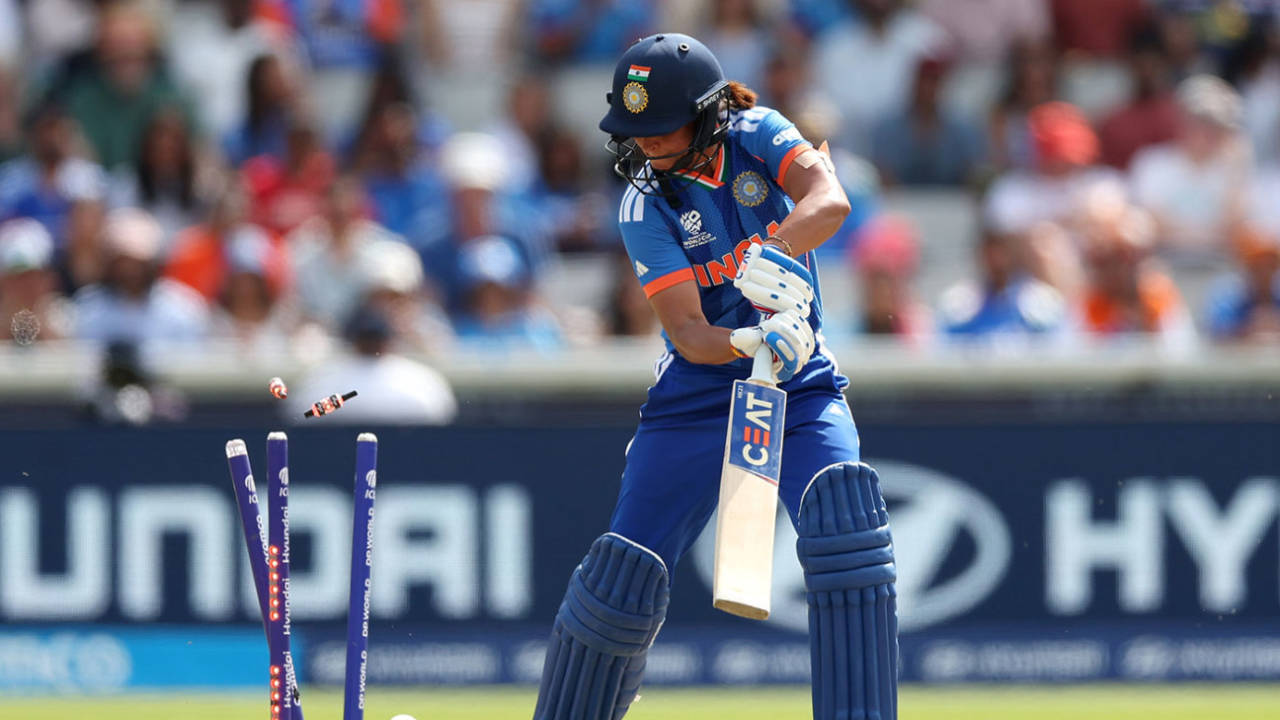
In the high-stakes arena of the T20 World Cup, India finds itself at a critical juncture. With the tournament progressing rapidly, the performance of the captain has come under intense scrutiny. Recently, Shikha Pandey pointedly remarked that Pandey: ‘Harmanpreet Kaur’s strike rate is a cause for concern’ regarding India’s middle order stability. Having scored 72 runs at a strike rate of 109.09 across three matches, the captain has struggled to find the fluidity that usually defines her game.
Breaking the Rescue Mode Mentality
Pandey believes that the psychological burden of early wickets is weighing heavily on the Indian skipper. When wickets fall in quick succession, there is often a natural urge to steady the ship, but this defensive approach appears to be stifling the captain’s natural attacking flair. According to analysis provided on JioStar’s Game Plan, the team needs a version of Harmanpreet that does not focus on the damage at the other end but rather on the destructive potential of her own bat.
“Once she gets set, we see those trademark straight drives and those powerful shots over deep midwicket,” noted Pandey. “She is elite against spin, and if she can stop trying to rebuild and instead focus on her natural game, it would be a massive boost for India’s prospects moving forward.”
Tactical Adjustments and Batting Order
The conversation around the batting order has been equally intense. Against South Africa, the team saw a rotation of positions that ultimately failed to produce a high-impact partnership. Yastika Bhatia, Jemimah Rodrigues, and Harmanpreet combined for only 51 runs off 49 balls, a statistic that highlights the lack of momentum. There is a suggestion that shifting the captain to number four, regardless of the fall of early wickets, could provide the necessary consistency for the rest of the lineup.
Stability for Jemimah Rodrigues
Beyond the captain, the role of Jemimah Rodrigues remains a point of debate. Former India batter Veda Krishnamurthy has advocated for keeping Rodrigues at number three. The sentiment is that constant shuffling in the name of ‘flexibility’ can be counterproductive. When a batter is uncertain about when they will enter the crease, it becomes mentally taxing to prepare effectively. Providing a fixed role allows players to settle in and build the required confidence to play their natural game without overthinking their approach.
A Rising Star: Shree Charani
Amidst the tactical discussions, there have been bright spots for India, most notably the performance of young left-arm spinner Shree Charani. Having claimed ten wickets in just three matches, Charani has become a revelation. Pandey lauded the bowler’s ability to vary her pace and maintain impeccable lengths. Her delivery to dismiss Annerie Dercksen was highlighted as a masterclass in left-arm spin, pitching perfectly to target the off stump while keeping the pressure on the batter.
The Road Ahead
India now faces a challenging path to the semi-finals. With a crucial clash against Bangladesh on the horizon, the team must win their remaining group-stage matches and potentially monitor the net run rate closely. The balance between aggressive batting and disciplined bowling will be the deciding factor. As the team looks to move past the inconsistencies of their recent outings, the focus remains on whether the leadership can find the right rhythm and whether the bowling unit can continue to provide the necessary support to keep India’s tournament hopes alive.