‘You can see the attrition rate…’ – NZ have the pace depth but managing workload is key

Contents
The Price of Fast Bowling Excellence
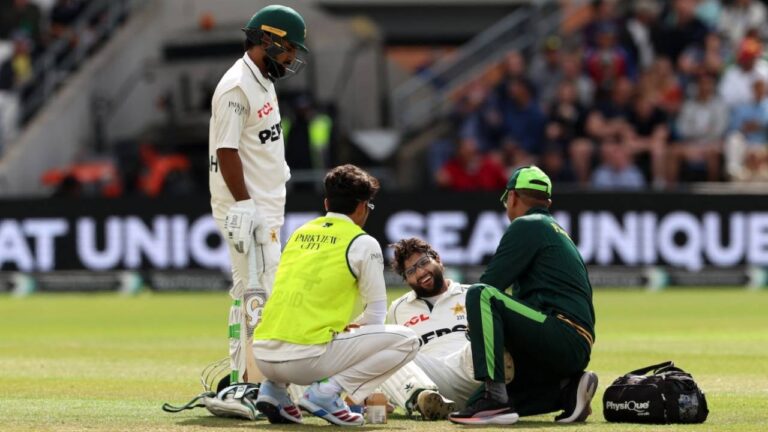
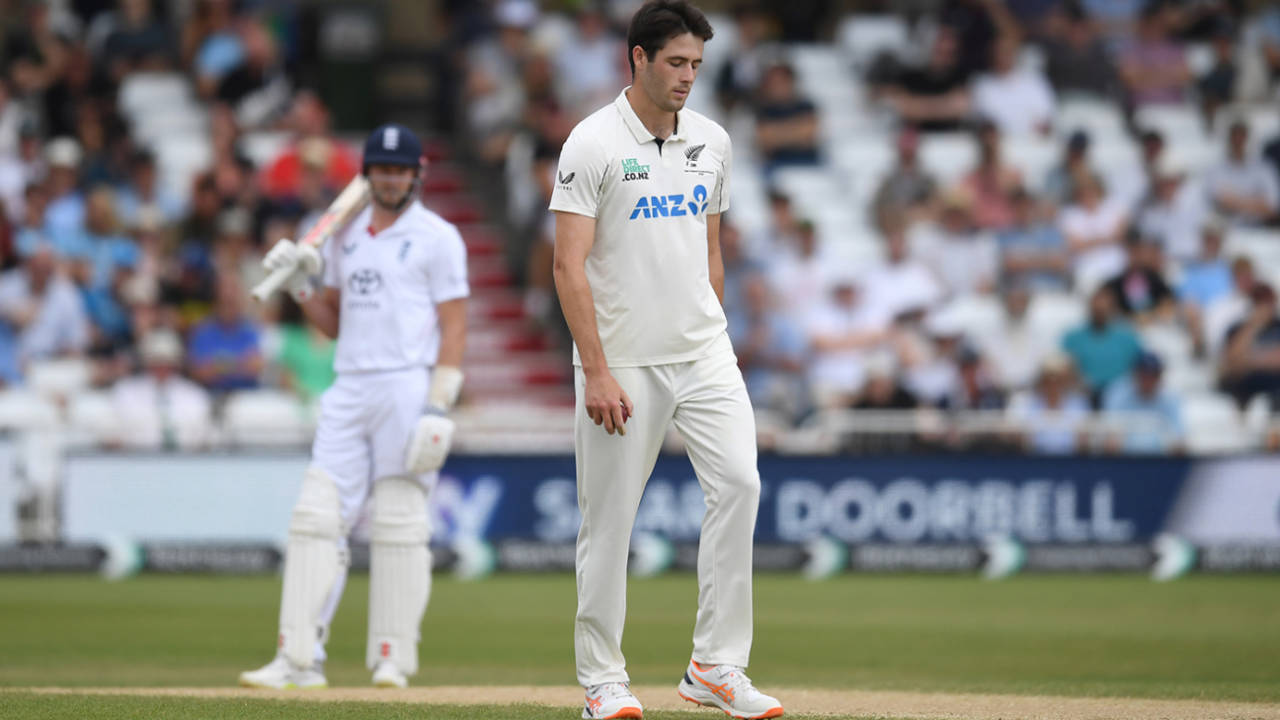
New Zealand cricket is currently navigating a golden era of fast bowling depth, yet the physical reality of the sport continues to present a significant hurdle. Following a hard-fought 2-1 series victory at Trent Bridge, the team emerged with a growing list of bruised, battered, and sidelined quicks. This latest chapter in New Zealand’s cricketing narrative serves as a stark reminder that while talent is plentiful, maintaining player fitness is a delicate operation.
The Challenge of a Heavy Schedule
Looking ahead, the coaching staff and selectors are bracing for an intense period. With six Test matches scheduled in rapid succession from mid-November to early January, the margin for error is razor-thin. The turnaround between the India series and the tour of Australia is particularly tight, with only seven days of rest. This reality has forced a strategic shift toward rotating players to ensure the squad remains competitive throughout the winter months.
When operating at full strength, New Zealand’s attack boasts formidable options including Matt Henry, Kyle Jamieson, Will O’Rourke, and the rising star Nathan Smith. Smith, in particular, has emerged as a revelation, claiming 24 wickets across four Tests in Ireland and England. However, the recurring history of injury concerns—especially regarding the back health of Jamieson and O’Rourke—means that relying on a single consistent quartet is simply not feasible.
Workload Management as a Priority
The numbers speak for themselves. In their last seven Tests, New Zealand has cycled through nine frontline pace bowlers. The emphasis on depth is not merely a luxury; it is a necessity. Lead selector Gavin Larsen highlighted this during the announcement of the ODI squad, noting that the physical demands of international cricket have become increasingly unforgiving.
“Having a stable of fast bowlers is critical,” Larsen stated. “Already you can see off the back of three Test matches against England, you can see the attrition rate. I’m glancing down and seeing four names that are back on the physio table or under the knife, so I’m very conscious of that. The depth of those fast bowlers is crucial and us managing their workloads and their return-to-play processes is critical.”
The Path Forward
Kyle Jamieson remains the archetype for the current management strategy. After undergoing major back surgery in 2024, his return to the pitch was handled with extreme caution, including a planned rest during the third Test at Trent Bridge. Despite the injuries that plagued the side, the selectors refused to deviate from the recovery plan, prioritizing the long-term health of the tall pacer who provides essential bounce and movement.
The success in England—becoming the first team in recent memory to recover from a 1-0 deficit in a three-match series on English soil—has provided a massive morale boost. It is a vital milestone as the team prepares for the upcoming home series against India and the high-stakes tour of Australia. Historically, Australia has been a difficult hunting ground for the Black Caps, with only three victories in 34 attempts.
Optimism Amidst History
Despite the grim historical record across the Tasman, there is a palpable sense of optimism within the camp. While previous tours featuring legendary trios like Tim Southee, Trent Boult, and Neil Wagner faced difficulties, the current leadership believes the modern crop of bowlers has the necessary attributes to compete. As they look toward the World Test Championship, the primary objective remains clear: keeping the stable of fast bowlers fit. The upcoming months will test not only the skill of these athletes but the effectiveness of the support staff in balancing the demands of high-performance sport against the physical toll of the game.