Contents
A Strategic Shift in Player Management
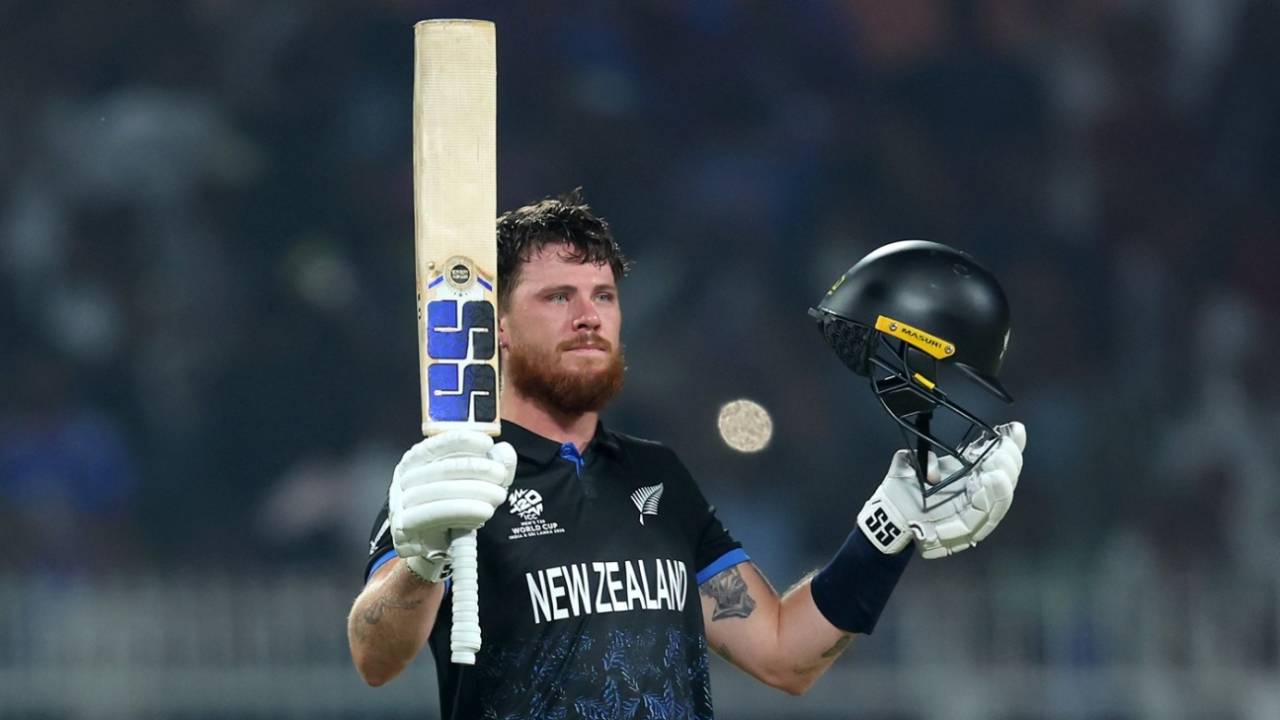
In a move designed to balance the demands of the modern cricketing calendar, New Zealand confirm four players to hold casual contracts for the upcoming 2026-27 season. Finn Allen, Lockie Ferguson, Adam Milne, and Tim Seifert have all agreed to these flexible arrangements, ensuring they remain firmly within the national selection pool while pursuing opportunities in T20 leagues around the globe.
This contracting structure serves as a vital bridge between domestic duties and the rigors of international cricket. By allowing these white-ball specialists to manage their schedules, New Zealand Cricket (NZC) aims to keep their best talent sharp and available for crucial series, most notably the high-profile home tour against India scheduled for October and November.
The Quartet: Continuity and New Additions
While Allen, Ferguson, and Seifert are familiar faces under this specific contract model, the inclusion of Adam Milne marks a notable addition for the 12-month period beginning August 1. These agreements reflect the evolving landscape of international cricket, where players are increasingly sought after by global franchises. Rather than forcing a choice between club and country, NZC has opted for a collaborative model that values the experience gained in overseas conditions.
The shift in the contracting landscape also sees broader changes to the squad structure. Kane Williamson has transitioned out of the system, while Devon Conway has secured a return to a full central contract. Meanwhile, veteran all-rounder Jimmy Neesham has pivoted toward a domestic deal with Auckland, highlighting the variety of pathways currently available to professional cricketers in New Zealand.
Focusing on the 2027 ODI World Cup
The primary motivation behind these casual contracts is clear: building a deep, resilient squad capable of competing at the highest level in the 2027 ODI World Cup. Selector Gavin Larsen emphasized the importance of this depth, particularly regarding the fast-bowling stocks. With the upcoming India tour featuring a demanding schedule of ten white-ball matches in just 25 days, the availability of versatile players like Ferguson and Milne is considered a strategic necessity.
“We’re delighted to add Finn, Lockie, Adam and Tim to our contracting programme,” Larsen stated. “Their skills are in demand around the world and we see that as a positive as they’re able to add to their experiences and bring those back to our environment.”
Player Perspectives on Flexibility
For players like Tim Seifert, the casual contract model is about sustainability and passion. Seifert, who recently returned to the international ODI fold, noted that the flexibility offered by NZC does not diminish his commitment to the Blackcaps. “My passion and motivation to play for the Blackcaps and represent our country remains as strong as ever,” Seifert explained. “The casual contract allows the flexibility to play in some of the different leagues around the world, while still remaining part of the Blackcaps programme.”
This sentiment is shared by the wider group. The ability to participate in various T20 leagues while keeping an eye on the ICC white-ball calendar ensures that these players remain match-fit and conditioned for the unique intensity of international cricket. For Adam Milne, who has faced recent injury setbacks, this period represents a fresh start as he works toward regaining his spot in the national side.
Looking Ahead to the India Tour
The home series against India is widely regarded as a pivotal moment for the Blackcaps. Spanning ten white-ball games followed by a six-Test block, the series will test the physical and tactical limits of the squad. Because the four players on casual contracts are specialists in the shorter formats, they are expected to be front-and-center for the white-ball leg of the tour, providing the team with the firepower required to challenge one of the world’s best sides.
As NZC continues to refine its approach, the success of this model will be measured not just in series results, but in the sustained health and performance of these key players. With two major ICC white-ball tournaments on the horizon, the decision to maintain this flexible arrangement appears to be a calculated and professional step toward securing future success on the world stage.