Manu Bhaker-Vaibhav Sooryavanshi Controversy: Why the Internet is Outraged

Contents
The Collision of Two Sporting Worlds: Understanding the Buzz
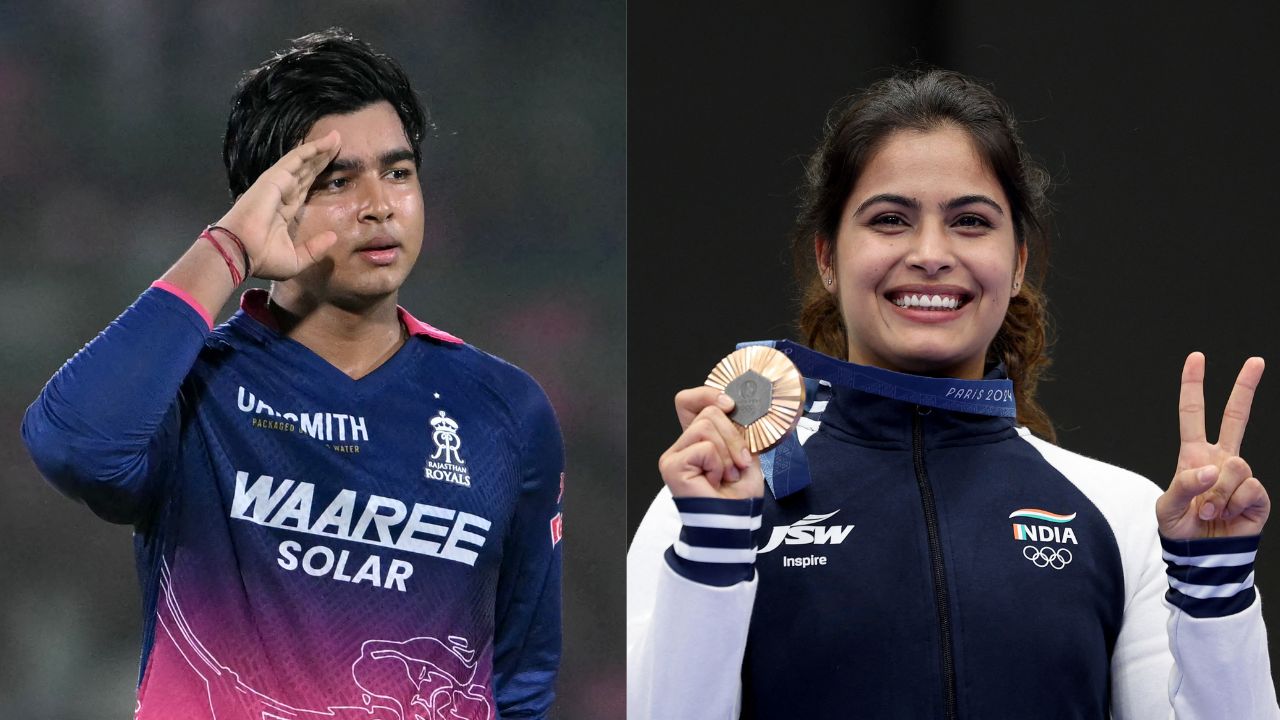
In the diverse landscape of Indian sports, few names have captured the public imagination as rapidly as Vaibhav Sooryavanshi and Manu Bhaker. One is a teenage batting sensation redefining the boundaries of the Indian Premier League (IPL), and the other is a double Olympic medalist who has brought unprecedented glory to Indian shooting. However, a recent interaction between the two—or rather, a question linking them—has sparked a heated debate across social media platforms.
At the heart of the controversy is not a conflict between the athletes themselves, but a clash of perspectives regarding how India views its sporting heroes. The incident occurred during the National Rifle Association of India (NRAI) 75th anniversary event in Delhi, an occasion meant to celebrate the milestones of Indian shooting. Yet, the conversation shifted unexpectedly toward the cricket pitch.
The Rise of Vaibhav Sooryavanshi
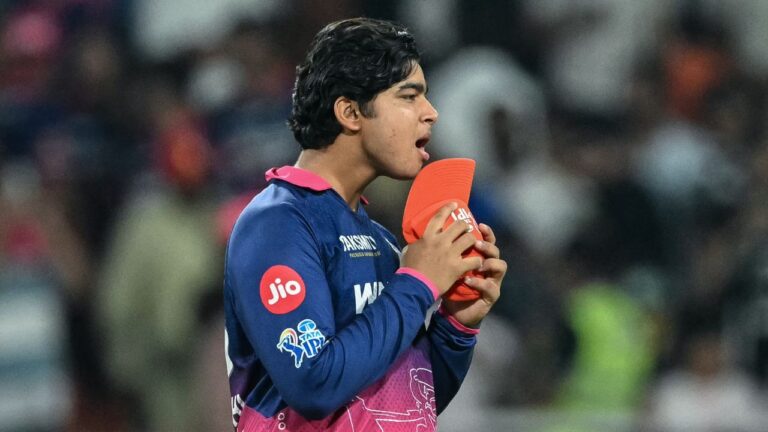
To understand why the question was asked, one must first look at the phenomenon that is Vaibhav Sooryavanshi. At just 15 years old, the Bihar-born batter has become a household name. Breaking records as the youngest centurion and establishing himself as a prominent opener for the Rajasthan Royals, Sooryavanshi represents the next generation of explosive cricket talent.
Playing in his second IPL season, the teenager has already accumulated over 500 runs, blending a fierce competitive streak with an endearing, child-like persona—most notably his habit of watching cartoons before stepping out onto the field. His rise has been nothing short of meteoric, making him a focal point of sports discussions globally.
The Interaction That Sparked the Row
During the NRAI event, Manu Bhaker, the celebrated sport shooter and Olympic medalist, was asked for her thoughts on the 15-year-old cricket sensation. While such a question might seem like a standard cross-sport reference, the response it triggered from the public was far from standard.
For her part, Manu Bhaker handled the query with grace and maturity. Rather than focusing on the hype, she emphasized the importance of a support system. As reported by TOI, Bhaker stated: “I would say that if the mentorship is good the company around him is good, and the people around are good, then age is just a number. And there is no age for talent.”
The 24-year-old shooter further expanded on this, noting that “Great things happen at 60, they happen at six.” She stressed that provided Sooryavanshi is guided and mentored properly, he is destined to be the next big star in the sport.
Why the Internet is Raging: The ‘Cricket Bias’ Debate
Despite Bhaker’s thoughtful response, social media users were quick to criticize the media for asking the question in the first place. The outrage stems from a perceived systemic bias in India, where cricket often overshadows all other sporting disciplines. The irony highlighted by fans was stark: at the age of 16, Manu Bhaker was already a senior World Cup gold medalist and a global sensation.
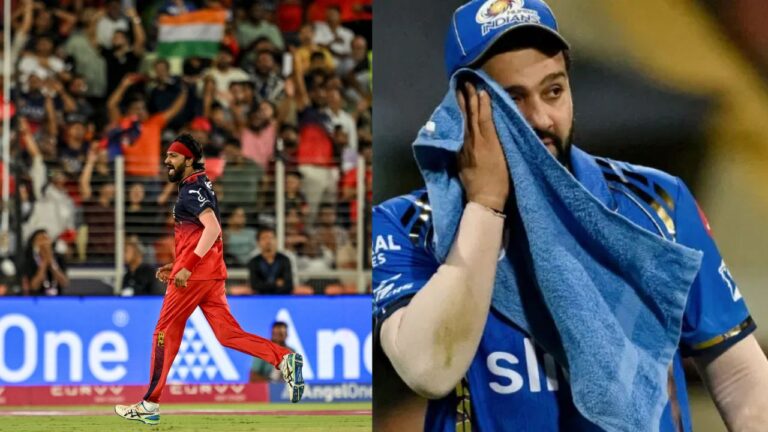
Critics on X (formerly Twitter) and other platforms pointed out a glaring double standard. They questioned whether legendary cricketers like Virat Kohli or Rohit Sharma had ever been asked for their opinions on the rise of a young shooter. The consensus among many was that the answer is a resounding “no,” making it unacceptable to expect an Olympic medalist to pivot her focus toward a cricketer who has yet to make his national debut.
Expert Opinion: Joy Bhattachariya Weighs In
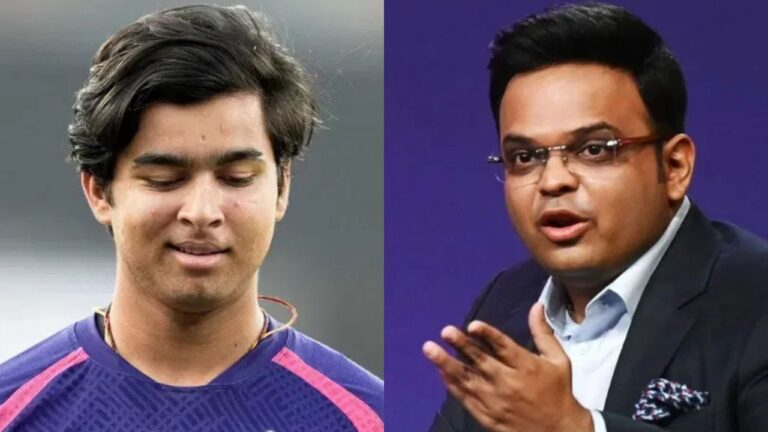
The controversy gained more weight when Joy Bhattachariya, the former KKR team director and a respected voice in the cricketing fraternity, spoke out in support of Bhaker. Bhattachariya described the line of questioning as disrespectful and unfair.
“She is an Olympic medallist. To ask her what she thinks of Vaibhav Sooryavanshi is unfair on her achievements and her sports,” Bhattachariya wrote, echoing the sentiments of thousands of fans who feel that Olympic success should be treated with the same, if not more, reverence than IPL stardom.
Conclusion: A Mirror to India’s Sporting Aspirations
This row is more than just a social media trend; it is a reflection of India’s ongoing struggle to transition from a single-sport-obsessed nation to a true sporting powerhouse. While the talent of Vaibhav Sooryavanshi is undeniable, the backlash serves as a reminder that the hard-earned medals of athletes like Manu Bhaker deserve a spotlight that isn’t shared with cricket unless the context truly warrants it.
As India continues to excel on the global stage across various disciplines, this incident underscores the need for a cultural shift in how the media and the public engage with non-cricketing athletes. Respect for achievement, regardless of the sport, is the only way forward for a sporting nation.