Contents
The Evolving Rivalry on the Global Stage
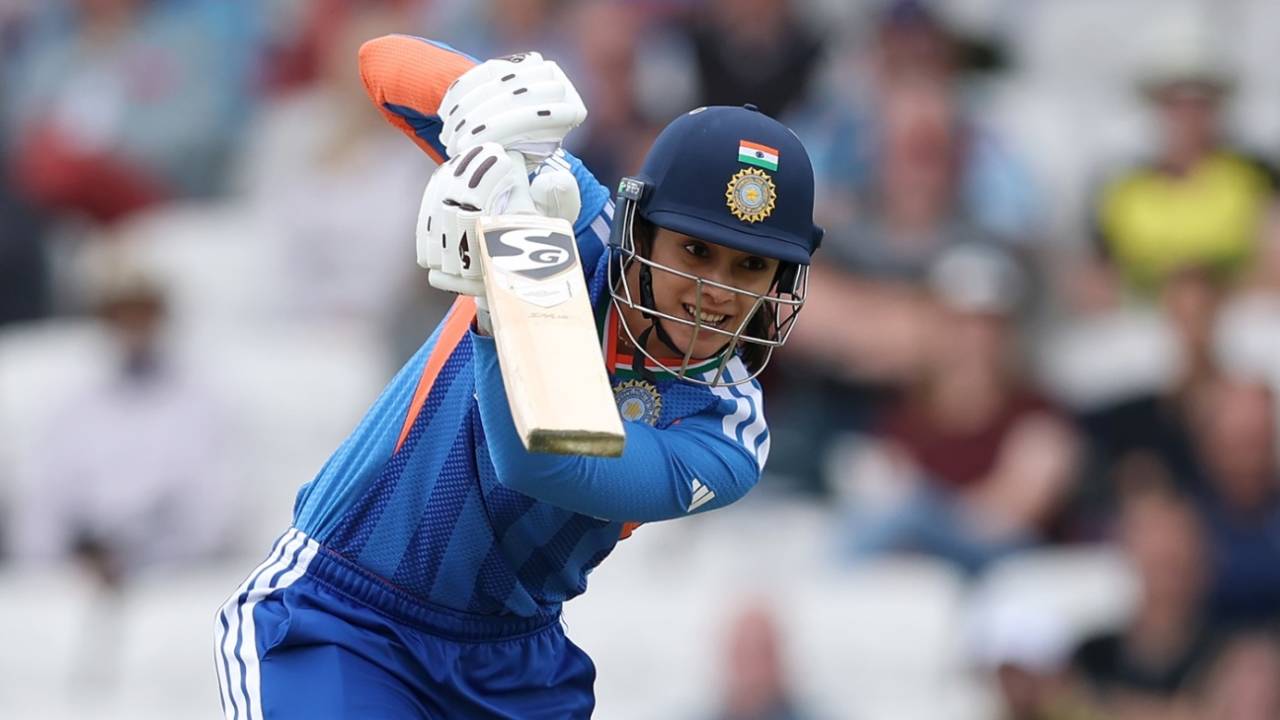
The landscape of women’s international cricket is undergoing a seismic shift. As the T20 World Cup reaches its climax, the conversation frequently turns to the competitive distance between the perennial champions, Australia, and a surging Indian side. While recent results in the current tournament present a complex narrative, senior batter Smriti Mandhana maintains a clear perspective: the playing field is leveling out.
A Tale of Two Teams
India’s journey in the current tournament has been far from straightforward. Following a challenging loss to South Africa and a stuttering performance against Bangladesh, questions regarding team selection and consistency have dominated headlines. The constant rotation of the playing eleven has led to speculation about whether the squad has truly settled on its ideal balance as the league stages conclude.
Conversely, Australia has continued to demonstrate the ruthless efficiency that has defined their era of dominance. Even without key personnel such as Phoebe Litchfield and Ash Gardner for portions of their campaign, they have secured commanding victories. Their unbeaten run in the tournament remains a testament to their deep-rooted processes and winning culture.
The Confidence Factor
Despite the current form guide, India draws significant inspiration from their recent bilateral success in Australia earlier this year. Winning the series 2-1, capped off by a stellar 82-run performance from Mandhana in Adelaide, remains a blueprint for how they plan to challenge the Australians. Mandhana believes this experience, combined with the exposure provided by the Women’s Premier League (WPL), has better prepared the Indian squad for high-pressure encounters.
“We’ll take a lot of confidence from that,” Mandhana noted ahead of the crunch match. “With the WPL, I feel the girls are very well prepped in terms of taking the high-pressure games a little better than what we could before. We are really looking forward to it. It is a must-win for us, and we will stick with our processes.”
Why the Gap Has Narrowed
When asked about the shifting dynamics, Mandhana emphasized that the change is the result of long-term development rather than an overnight phenomenon. The cross-pollination of talent through leagues like the Big Bash (WBBL) and the WPL has played a pivotal role in demystifying the Australian setup.
“The gap has definitely narrowed with a few of our players playing the Big Bash, them playing the WPL, and their experiences being shared,” she explained. “The kind of cricket the Indian team has played in the last five to six years has been a steady build-up. In T20 cricket now, it is often just about which team has the better day.”
Individual Brilliance and the Path Forward
Mandhana has historically relished the challenge against Australia, boasting an impressive average of 32.07 in T20Is against them, including eight half-centuries. Her approach remains simple: focus on the ball, not the reputation of the opposition. Alongside opening partner Shafali Verma, who has also been in fine form with a strike rate exceeding 150, the duo aims to provide the foundation that could define the outcome of the match.
“Watching Shafali bat from the other end is a pleasure,” Mandhana remarked. “We want to give good starts because whenever we lay the foundation, we are in a good place. We are pumped to go out there, play the ball, and execute our plans for the team.”
As the two sides prepare for a decisive clash that will determine their knockout destiny, the sentiment within the Indian camp is one of focused determination. If the gap has indeed narrowed, the upcoming fixture will serve as the ultimate litmus test for a team looking to cement their place among the world’s elite.