Tucker, Delany, Hollard and Moondra shine in Ireland’s historic win over India

Contents
A Historic Day in Belfast
The cricketing world witnessed a monumental shift in Belfast as Ireland secured their first-ever international victory against India. Playing in conditions far removed from the subcontinent’s familiar surfaces, the T20 world champions found themselves struggling against a disciplined Irish outfit. With larger boundaries, a pitch offering significant assistance to fast bowlers, and the absence of the ‘impact player’ rule, the visitors were forced to confront challenges that ultimately proved insurmountable.
Harshit Rana’s Valiant Effort
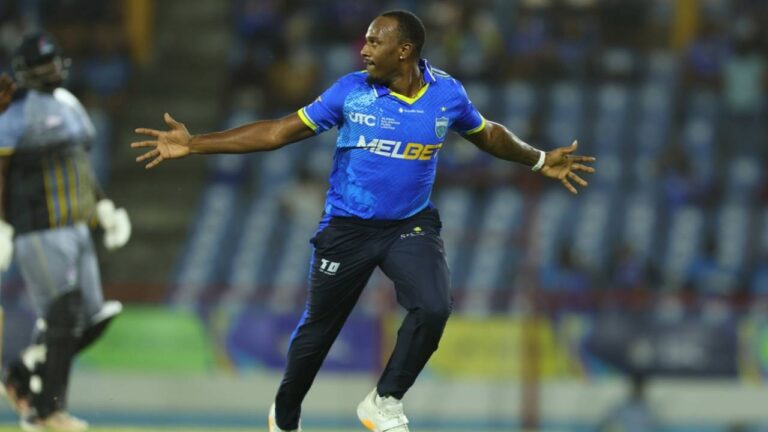
Despite the difficult conditions, Harshit Rana stood out for India. Returning after a four-month layoff due to a knee injury, Rana displayed his tactical acumen by consistently testing the pitch and utilizing the blockhole effectively. His figures of 3 for 24 underlined why he remains a vital asset for the Indian setup. Even when Lorcan Tucker looked to counter, Rana’s slower ball proved too clever, resulting in a crucial breakthrough. He showcased the kind of aggression and precision that keeps a bowler in the game, regardless of the surface.
The Tucker and Delany Partnership
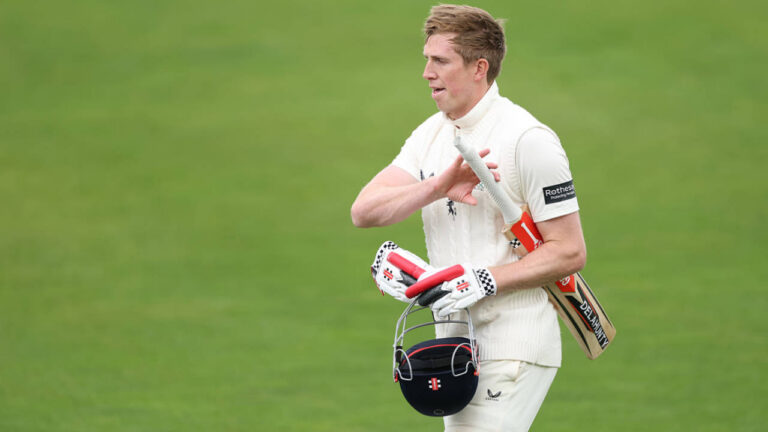
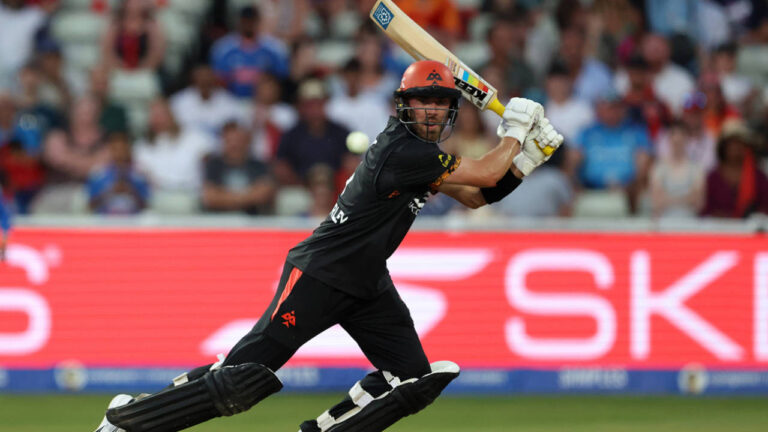
Ireland’s batting innings was a study in resilience. Facing a precarious situation at 36 for 3 by the end of the powerplay, captain Lorcan Tucker took the responsibility of anchoring the innings. Showing remarkable maturity, Tucker batted through the pressure, initially focusing on survival before accelerating as the innings progressed. His 50 off 35 balls made history, as he became the first man to score a half-century in each of his first three T20I games as captain. Gareth Delany provided the perfect foil, contributing a quickfire 49 off 32 balls to push Ireland to a total of 182 for 9.
India’s Strategic Missteps
Shreyas Iyer, leading the side, opted to front-load his best fast bowlers during the powerplay to exploit the swing and seam. While this worked initially, the strategy backfired later in the innings. With the death overs approaching, India lacked the required personnel to contain the flow of runs. Washington Sundar conceded 19 in the 16th, while Prasidh Krishna struggled immensely, finishing with 0 for 57. Although Axar Patel and Arshdeep Singh managed to stem the bleeding toward the very end, the damage had been done.
Abhishek Sharma’s Aggression
Abhishek Sharma provided a brief glimmer of hope for India, demonstrating his incredible ability to find the boundary on the offside. His power-hitting was reminiscent of a pure timer of the ball rather than a slogger. With nine boundaries, he raced to 49 off 20 balls before Ireland adjusted their line to a straighter trajectory, successfully trapping him at deep midwicket.
The Rise of Ireland’s Debutants
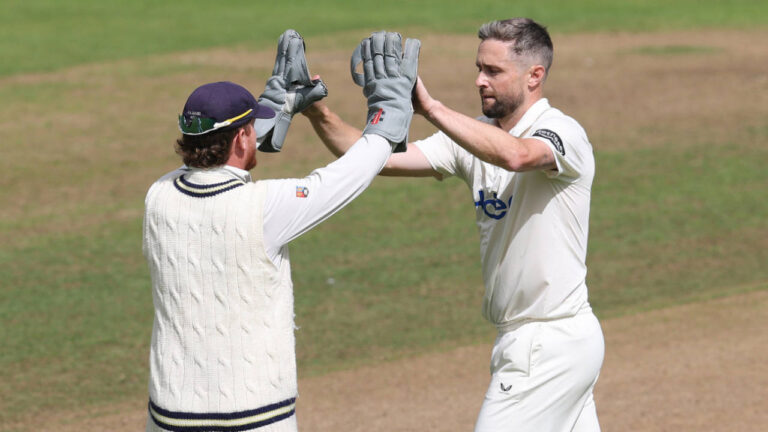
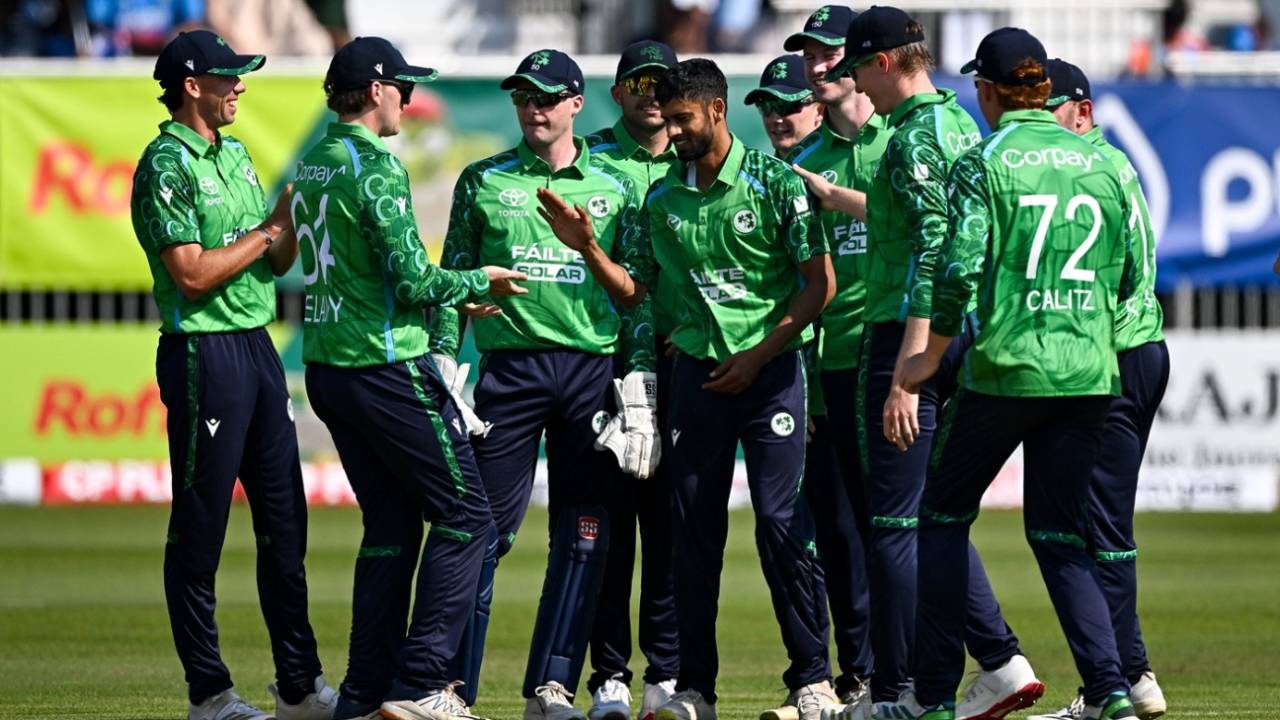
The true story of the match, however, was the performance of debutants Matt Hollard and Jai Moondra. Moondra, cheered on by family and friends with signs declaring that ‘when Moondra is there, anything is possible,’ made an immediate impact by dismissing the previous T20 World Cup’s standout performer, Sanju Samson. Matt Hollard proved even more lethal, claiming three wickets, including the prized scalps of Ishan Kishan and Shreyas Iyer. The pair’s intensity combined with Ireland’s tactical discipline meant that after the powerplay, India found themselves suffocated, yielding just two boundaries in 27 deliveries. As wickets fell, including a clever reverse-sweep dismissal for Tilak Varma, the outcome became clear. Ireland’s victory was not merely a stroke of luck, but a calculated and well-executed masterclass that will be remembered for years to come in Irish cricket history.