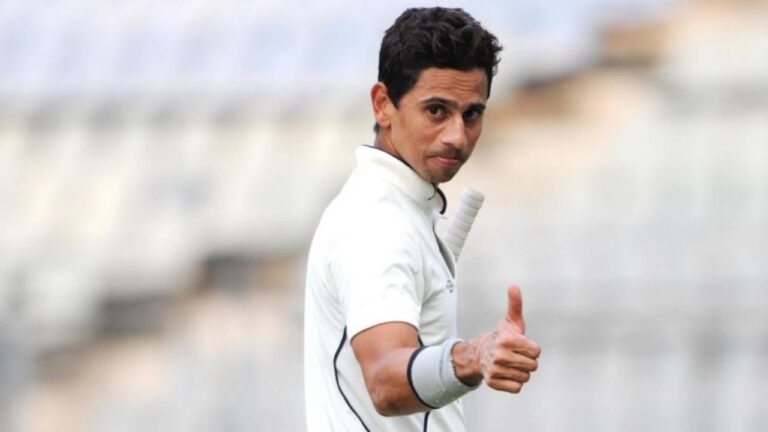
Morkel doesn’t rule out India enforcing follow-on as rain looms in Colombo

Contents
A Tactical Shift for India in Colombo
As the second Test in Colombo reaches a critical juncture, the tactical approach of the Indian team has come under the spotlight. With rain looming as a persistent threat and only 222 overs bowled across the first three days, the prospect of forcing a result is top of mind for the management. Morne Morkel, India’s bowling coach, has confirmed that the team is considering unconventional measures to ensure they have enough time to secure a victory.
Morkel doesn’t rule out India enforcing follow-on as rain looms in Colombo, despite the modern trend in Test cricket favoring batting for a second time to build an insurmountable lead. The rationale is clear: with the threat of weather interruptions, the priority is to maximize the time available for India’s bowlers to take the remaining wickets of the Sri Lankan lineup.
The Weather Factor and Strategic Decision Making
Traditionally, teams avoid the follow-on, preferring to bat again and let the pitch deteriorate, thereby setting a target that is nearly impossible for the opposition to chase. However, the conditions in Colombo have presented a unique set of challenges. The pitch has remained relatively benign for batting, and with the match already heavily truncated by weather, India must weigh the benefits of batting again against the risk of the match ending in a draw due to rain.
Morne Morkel addressed the situation during his post-day media interaction. “That will be the first prize… that we can get those two wickets tomorrow early,” Morkel noted. “I know it’s a cliche thing, but you know, with the weather around and sometimes the time it takes with taking the covers on and off, we want to try and get as many overs as possible to the Sri Lankans. So hopefully, we can get those wickets tomorrow and then be brave, put them in, and bowl well.”
Challenges in the Field
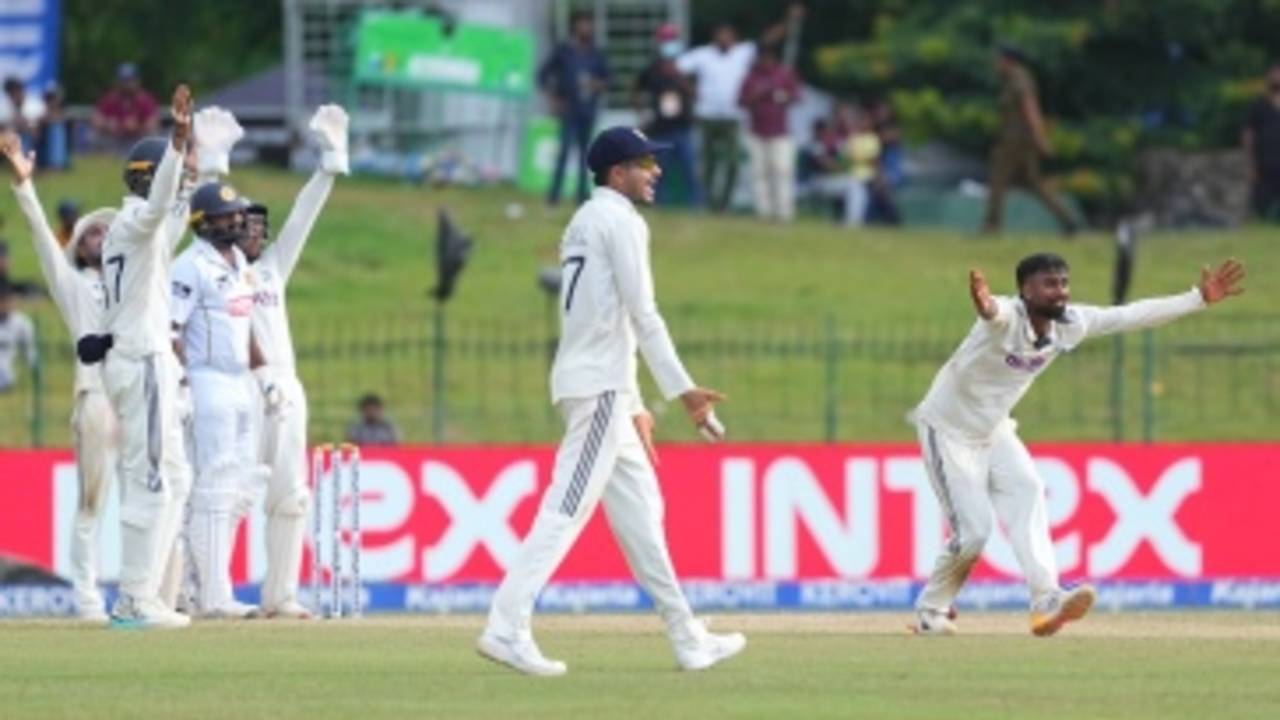
The third day of the Test was a grueling experience for the Indian bowlers. Despite working hard, the team managed to claim only six wickets in over 80 overs. Morkel acknowledged the difficulty of the conditions, noting that the hot weather causes the ball to go soft quickly, making it a test of endurance and patience for his bowling unit.
“It is hard work out there, you know,” Morkel added. “I think sometimes even us, we get sucked in that expectation where we think it looks slightly dry and we need to bowl teams out for under 200. But unfortunately, at times it’s not gonna work like that. It’s tough conditions; it’s hot, hot conditions. The ball goes soft quite quickly.”
The coach emphasized the importance of bowling in partnerships, especially when faced with a resilient batting display. He views these challenging days as essential developmental milestones for the team, teaching them how to build pressure and wait for the inevitable breakthrough.
Injury Concerns: The Rishabh Pant Update
Beyond the tactical considerations, India is also managing the fitness of key players. Rishabh Pant, who suffered a wrist injury while batting and was later struck on the shoulder, is currently being monitored. His presence behind the stumps is highly valued, not just for his glove work, but for his tactical acumen and reading of the game.
“Rishabh obviously got hit on the shoulder. I think that it was discussed last night,” Morkel explained. “It is quite badly bruised. I think he was just a little bit restricted in his movement this morning when he tried to warm up. I think they’ll keep on monitoring him now overnight, and hopefully, he’ll be behind the stumps for us tomorrow. I think it’s important to have him there. His reading of the game is exceptional.”
Looking Ahead
As the match moves into the fourth day, all eyes will be on the skies and the early session of play. Should India manage to wrap up the Sri Lankan innings quickly, the decision to enforce the follow-on will be one of the most significant tactical calls of the series. For now, the team remains focused on the process, hoping that their persistence in the field will eventually yield the rewards necessary to force a result in what has been a challenging encounter against a determined Sri Lankan side.
The emphasis remains on taking wickets early and staying disciplined in their bowling approach, regardless of whether they choose to bat or bowl again. In the shifting landscape of international cricket, adaptability is the key to success, and India seems prepared to embrace that philosophy in Colombo.