‘Disbelief’ in India camp after a failure to adapt to ‘fantastic’ Ireland

Contents
A Shocking Setback for the Men in Blue
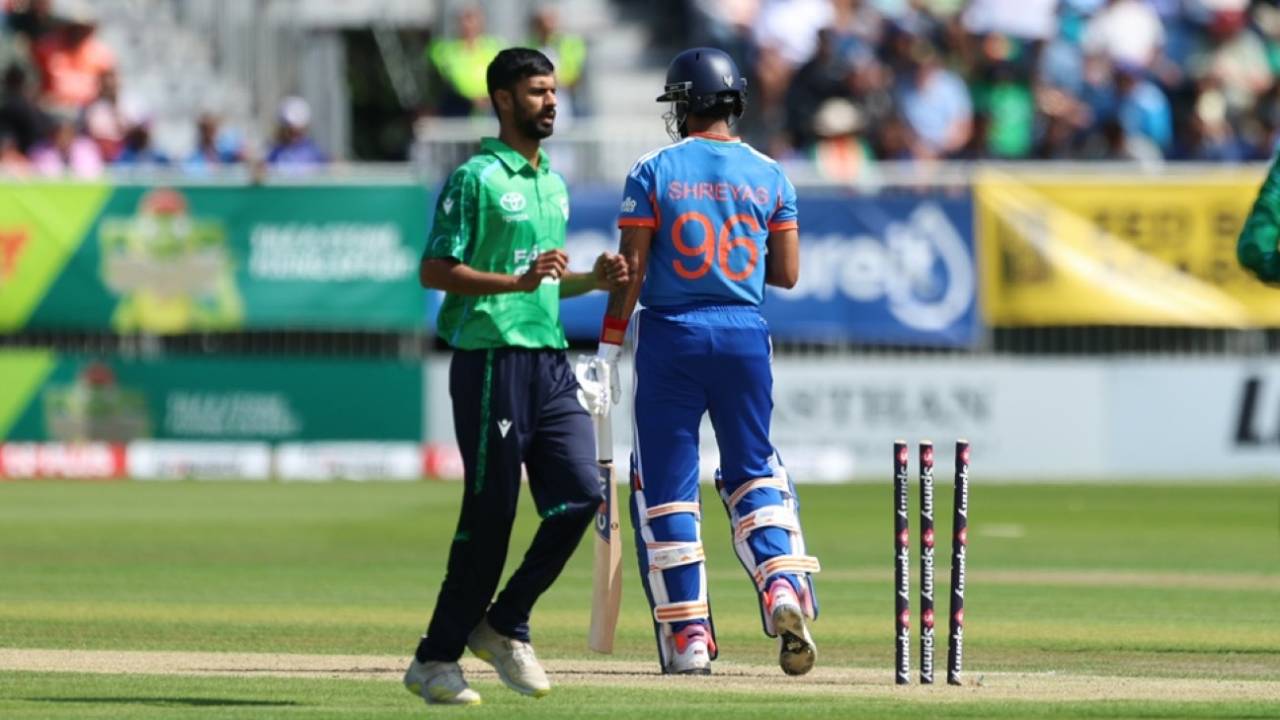
The recent T20I series against Ireland has sent shockwaves through the cricketing world. For a side that has recently celebrated historic triumphs in the ODI Champions Trophy and the T20 World Cup, a 2-0 series defeat to Ireland represents a significant reality check. India’s assistant coach, Ryan ten Doeschate, has openly admitted that the team is grappling with the aftermath of a performance that fell well short of their lofty standards.
The Challenge of Adapting to New Environments
The core issue, as identified by the leadership group, is not a lack of skill, but a failure to adjust to conditions that differed drastically from the familiar, high-scoring wickets of India. Ten Doeschate highlighted that the environmental factors, particularly the wind, played a massive role in destabilizing the Indian batting lineup. The visitors struggled to rotate the strike and hit effectively down the ground, a tactical maneuver that Ireland mastered with precision.
Key takeaways from the series include:
- Ireland’s ability to execute basic fundamentals under pressure.
- India’s inability to alter their aggressive tempo when conditions demanded a more measured approach.
- The lack of sufficient training time to acclimate to local conditions, exacerbated by poor weather and facility limitations.
Learning from a Disciplined Opponent
Credit must be given where it is due. Ten Doeschate was quick to praise the Irish side for their tactical intelligence. Instead of attempting high-risk, power-hitting cricket, the hosts focused on smart maneuvering, effectively stifling India’s ability to play straight. The Indian bowlers eventually made adjustments in the second match, but the Irish bowlers proved equally adept, maintaining tight lines and lengths that denied the Indian batters any freedom.
“They never let us hit straight,” ten Doeschate noted. “They just did the basics really well and we couldn’t combat that.” This level of discipline forced the Indian team into a difficult position, where they were essentially outsmarted by a unit that maximized their strengths while exploiting the visitors’ rigid approach to the game.
Finding the Balance Between Intent and Strategy
Despite the frustration, the coaching staff is hesitant to overhaul the team’s identity. For years, India’s hallmark has been an aggressive, intent-driven approach to the powerplay. Ten Doeschate remains wary of forcing the team to play too cautiously, as that could strip away the very aggression that has brought them so much success in the past. The goal moving forward is not to abandon intent, but to introduce a smarter layer of decision-making.
“It’s easy to say sit around, but if you never swing, you’re never going to hit a six,” he explained. The focus for future tours—including upcoming challenges in England—will be on making these tactical pivots much faster. The realization that they cannot simply rely on their standard style of play in every environment is perhaps the most important lesson from this series.
Reflecting on the Progress of Associate Nations
From a broader perspective, this series serves as a testament to the growth of cricket globally. Having spent time in the Associate circuit as a player for the Netherlands, ten Doeschate expressed genuine admiration for how Ireland navigated the challenges of the series. He acknowledged that while it is disappointing for India to lose, seeing a team like Ireland show such technical maturity is a positive sign for the sport.
The path forward for India involves a rigorous review of their preparation. While it is difficult to demand rapid adaptation without adequate training time, the team acknowledges that excuses regarding conditions will not suffice. Moving forward, the objective is to build a squad that is not only talented but also versatile enough to thrive in any corner of the globe. As the dust settles on this series, the message from the camp is clear: the desire to dominate remains, but the methodology must become more flexible to survive the unique challenges of international cricket.