ICC T20I Rankings Update: India Dominate, Pakistan Struggles in Annual Shake-up

Contents
The New World Order of T20 Cricket
In a significant update released on Tuesday, May 5, the International Cricket Council (ICC) unveiled the annual T20I team rankings. These rankings, which heavily reflect the performances during the highly competitive T20 World Cup 2026, have painted a clear picture of the current hierarchy in international cricket. While some nations have soared to new heights, others find themselves grappling with the consequences of underwhelming campaigns.
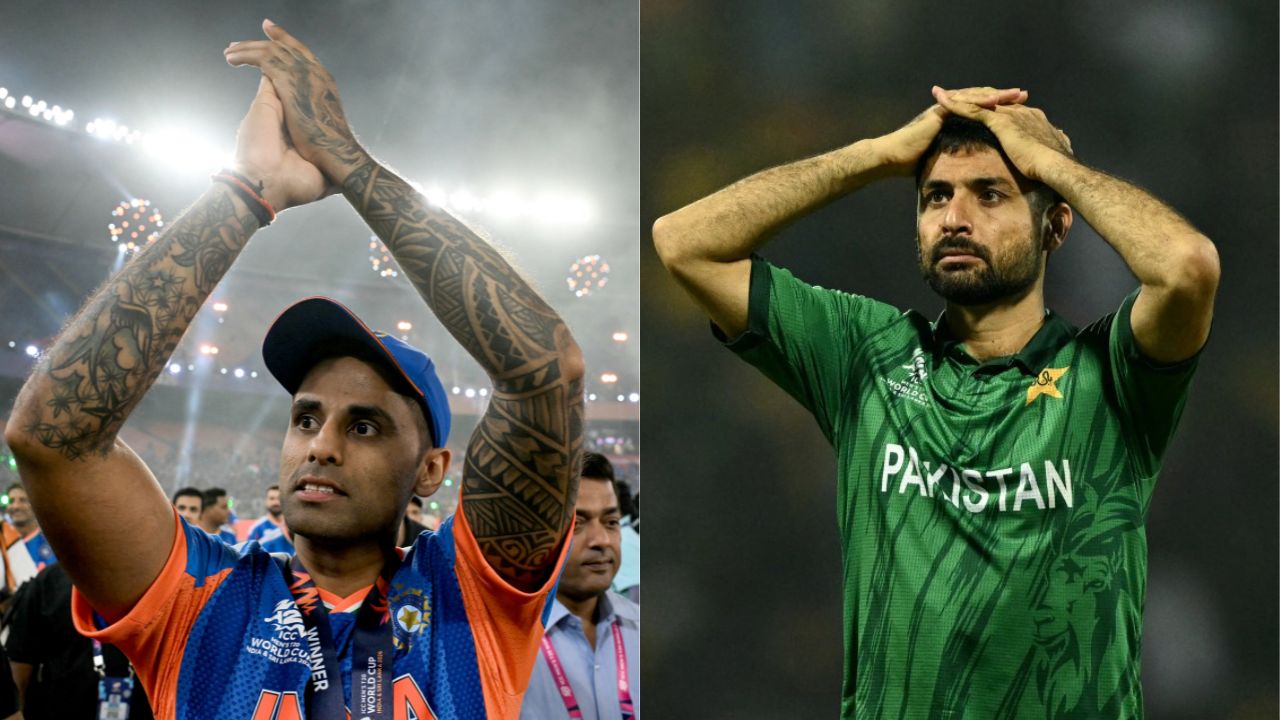
At the center of this success story is the Indian cricket team. Under the leadership of Suryakumar Yadav, the Men in Blue have been nothing short of sensational. Their journey, culminating in a comprehensive victory over New Zealand in the T20 World Cup 2026 final, has rightfully cemented their status as the world’s premier T20 side. With 275 rating points, India sits comfortably at the top, marking a golden era for Indian white-ball cricket.
Stability at the Top and the Pakistan Dilemma
Interestingly, the top seven positions in the Men’s T20 team rankings remain largely stagnant despite the intensity of recent international fixtures. India leads the pack, followed by England with 262 points and Australia, who hold the third spot with 258 rating points. New Zealand, despite a valiant run that saw them reach the T20 World Cup final, remains in fourth place, with South Africa rounding out the top five.
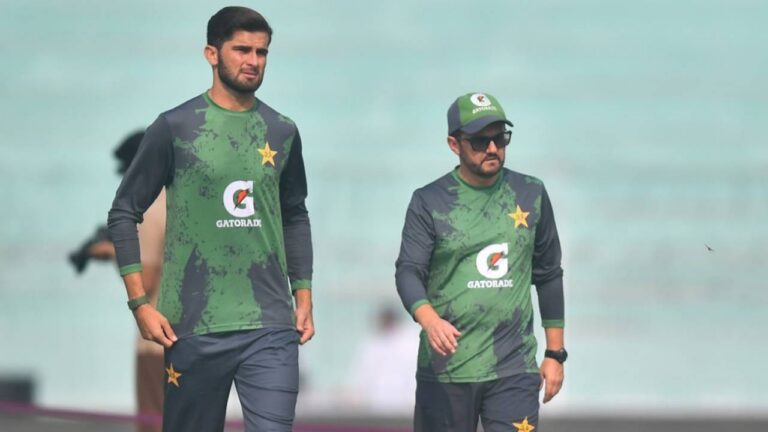
The narrative is quite different for Pakistan. Currently sitting at 6th with 240 rating points, the Men in Green endured a campaign to forget. Despite reaching the Super 8 stage, their inability to secure crucial victories—finishing with only 3 points in three matches—meant they were unable to climb the rankings ladder. This stagnation reflects a period of introspection for the side, as they look to bridge the gap between their potential and their on-field output.
Shifting Landscapes: Sri Lanka and the Rise of Associates
The rankings also highlight the volatile nature of the modern game. Sri Lanka, the hosts of the recent T20 World Cup, have slipped to the ninth spot after a drop of 6 rating points. Their failure to win a single match during the Super 8 stage was a major blow, though they remain safely clear of qualification worries for the 2028 edition of the tournament.
Elsewhere, the Associate nations continue to make waves. The USA has climbed to 13th, while teams like Nepal and Oman have successfully jumped up the rankings, demonstrating the narrowing gap between Full Members and emerging cricket nations. These movements underscore the global growth of the format and the increasing depth of talent available worldwide.
Women’s T20 Cricket: Australia’s Continued Supremacy
The ICC also released the annual rankings for women’s T20 cricket, where consistency remains the hallmark of the Australian side. With a 12-point lead over England, Australia continues to dominate the women’s game. India, led by Harmanpreet Kaur, remains a strong contender, holding the third position with 264 points.
While the top 16 rankings for the women’s game have remained stable, the upcoming Women’s T20 World Cup in June promises to be a catalyst for change. With teams like Pakistan sitting in 8th place, the global stage provides a prime opportunity for nations to climb the ladder and disrupt the status quo.
What Lies Ahead?
These rankings serve as more than just numbers; they are a testament to form, strategy, and execution. For a team like India, the challenge now lies in defending their hard-earned top spot. For Pakistan, Sri Lanka, and others, the road ahead involves deep tactical evaluation and the need for renewed consistency. As the cricketing world looks toward the next cycle of tournaments, fans can expect the battle for these ranking points to become even more fierce.
The evolution of T20 cricket shows no signs of slowing down, and with the ICC’s commitment to expanding the game, these annual updates are a crucial metric in measuring the health and competitiveness of the sport globally.