Contents
The Tale of Two Hardiks
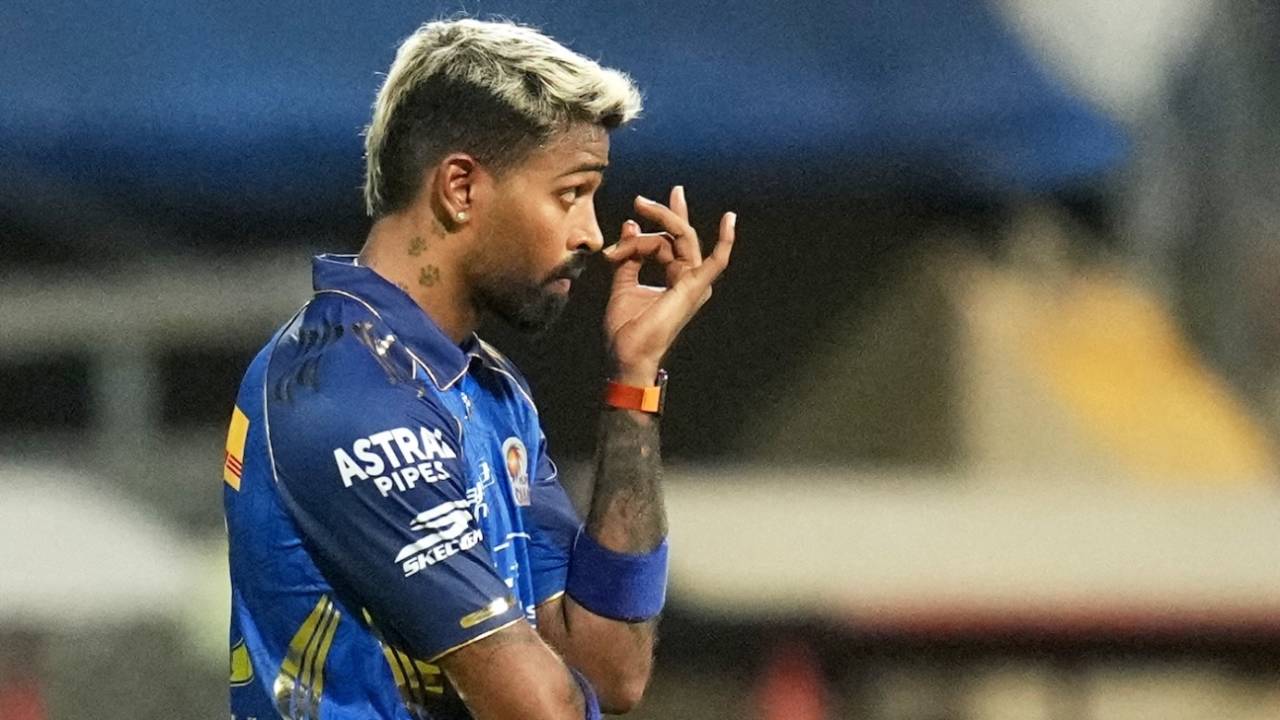
Hardik Pandya has long been a force of nature in international cricket. For India, he is the reliable engine—a player trusted to navigate high-pressure death overs and shift the momentum of a game with fearless, aggressive strokeplay. Yet, a recurring mystery has surfaced in the IPL: why does the version of Hardik Pandya seen in the blue of India look so distinct from the one wearing the Mumbai Indians (MI) jersey?
Statistical Disparity
The numbers paint a compelling picture of inconsistency. In the current IPL season, Hardik has managed 97 runs in six innings at a strike rate of 140.57, while claiming only three wickets across 15 overs. Compare this to his 2026 T20I returns for India: 286 runs in 12 innings at a blistering strike rate of 165.31, coupled with 13 wickets. The contrast is stark, particularly when looking at his ability to close out games.
For India, Hardik has proven his nerves of steel repeatedly. During the 2026 T20 World Cup semi-final against England, with 39 runs needed off 12 balls, he conceded only nine runs in the penultimate over while dismissing Sam Curran. His composure in the 2024 T20 World Cup final—defending 16 runs in the final over—remains a masterclass in death bowling.
Tactical Hesitation in the IPL
Since the beginning of 2026, Hardik has bowled 10 overs at the death for India across eight innings, maintaining an economy rate of 9.7. Contrast this with his IPL usage, where he has bowled just two overs in that phase across six games, leaking runs at 13 per over. A telling moment occurred against Chennai Super Kings at the Wankhede Stadium. After a difficult start with the ball, Hardik opted to hand the final over to the inexperienced Krish Bhagat rather than taking the responsibility himself. While coaching staff framed this as an opportunity for the youngster to grow, the decision underscored a lack of the assertive, take-charge leadership often associated with his international persona.
Contextualizing the Decline
Critics might point to a permanent dip, but the data suggests otherwise. His peak years at Gujarat Titans (GT) saw him score 833 runs at an average of nearly 38, leading the franchise to a title and a runner-up finish. Since rejoining MI, he has faced challenges, scoring 537 runs from 31 innings at an average of 20.65. While his strike rate has actually increased to 150.40 in the finisher’s role, his bowling economy has ballooned to 10.7, highlighting a struggle to contain opposition batters in the high-scoring IPL environment.
The Team Dynamic
Is the weight of expectation in a star-studded MI dressing room hindering his natural flow? With the franchise currently struggling in ninth place, the lack of a settled XI has created a volatile environment for every player, not just the captain. Head coach Mahela Jayawardene remains adamant that the issues are systemic rather than individual, stating: “I don’t think his form is a concern. Overall as a unit we haven’t been consistent. It’s not one individual; as a team we have to improve.”
Looking Ahead
Despite the current frustrations, flashes of brilliance remain. His contributions against Kolkata Knight Riders and his explosive 40 off 22 against Royal Challengers Bengaluru serve as reminders of his ceiling. For Mumbai Indians to salvage their 2026 campaign, they desperately need to unlock the version of Hardik Pandya that thrives under the pressure of international cricket. The talent is clearly there; the challenge lies in translating that international confidence back into the franchise arena.